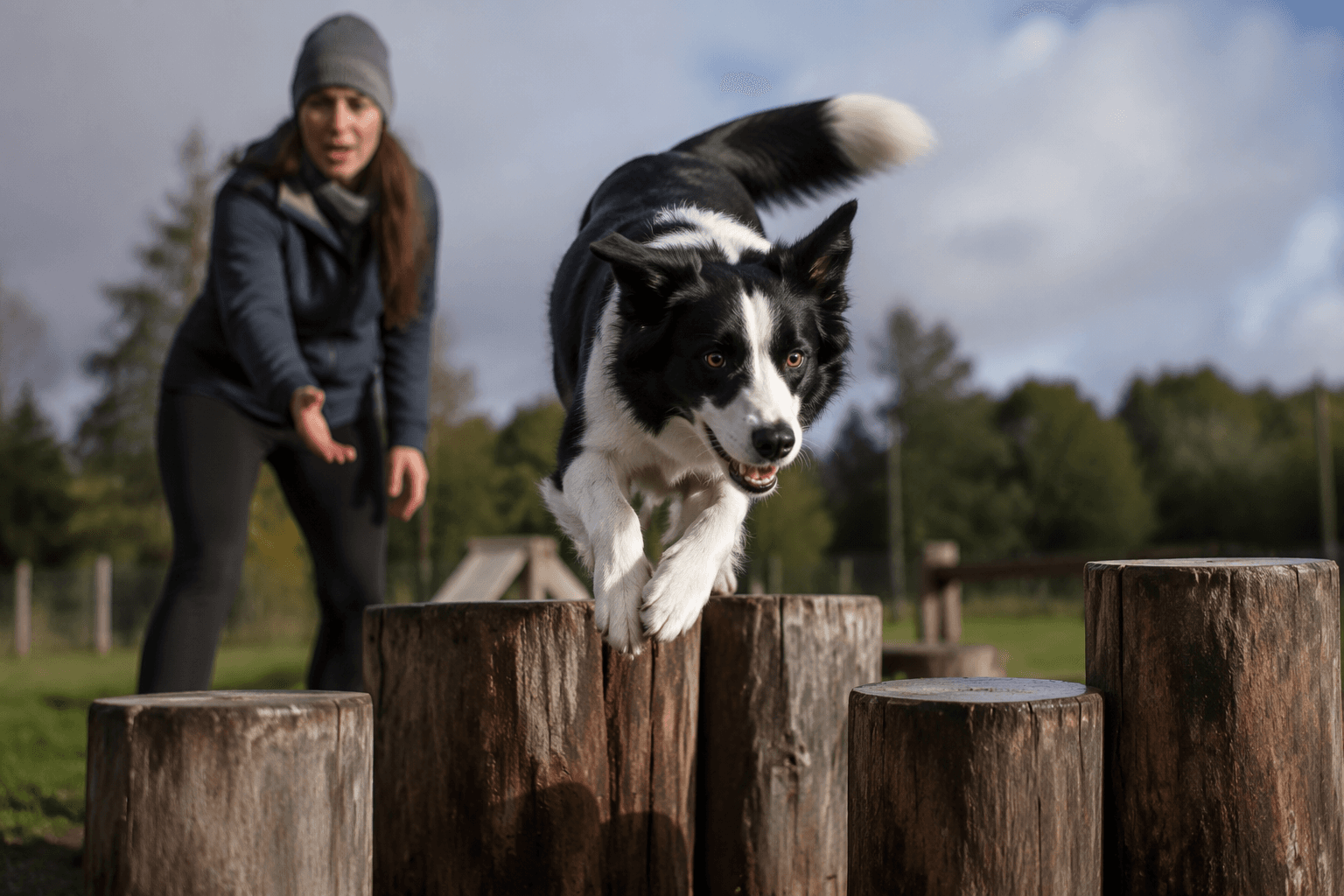
Belgian Malinois need experienced owners, training, and daily work
The Belgian Malinois is a job-first dog, not a casual pet: smart, driven, and demanding daily work. This guide shows who passes, who fails, and why.
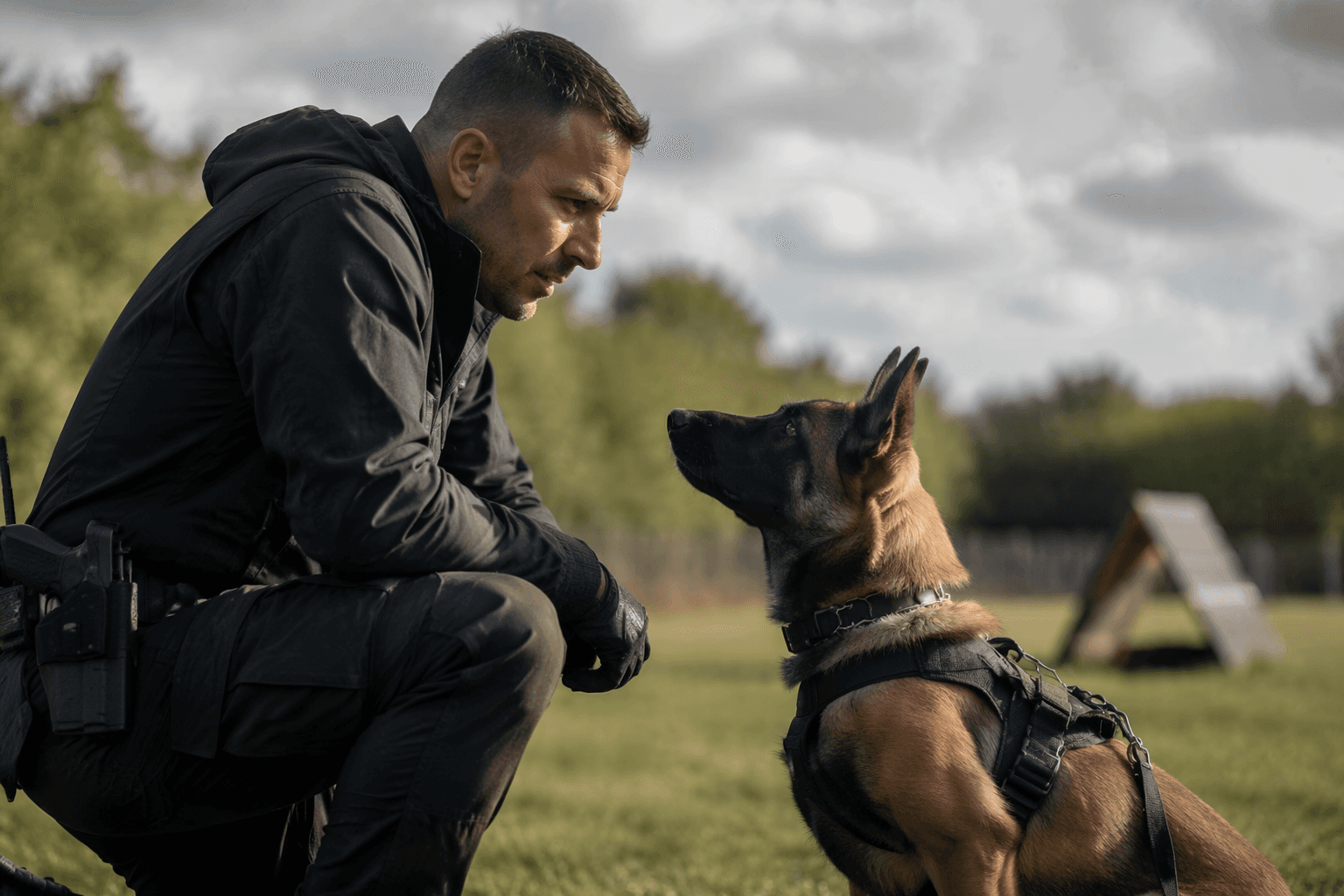
The Belgian Malinois sells beautifully in photos: all angles, muscle, and intensity, the kind of dog that looks born for action. But the real mismatch is simple, and it matters every day. This is a breed for people who can give structure, training, and actual work, not just admiration.
The Belgian Malinois is not a vibes-only dog
AKC describes the Belgian Malinois as a confident, smart, hardworking Herding Group breed, and that is the cleanest way to read the breed profile. These dogs are highly intelligent, people-oriented, and happiest when their day includes both mental and physical activity. That combination is exactly why they can be extraordinary partners, and exactly why they can overwhelm the wrong home.
The key warning is not just that Malinois are active. It is that they are intensely work-driven, with high prey drive and a sharp mind that needs direction from the start. If you are looking for a dog that settles because it has been walked a little longer, you are looking at the wrong breed.
Pass-fail suitability test
The easiest way to judge fit is to treat the Belgian Malinois like a pass-fail challenge.
- You have experienced dog-handling skills.
- You can devote plenty of time every day to training and structured activity.
- You want a dog that thrives on obedience, problem-solving, and tasks.
- Your household is active and ready to stay consistent.
- You are prepared to start early with puppy training and socialization.
You probably pass if:
- You are a first-time owner looking for an easygoing pet.
- You want a dog that entertains itself while you stay hands-off.
- You see exercise as the same thing as engagement.
- You do not want to manage prey drive, vocal behavior, or protective instincts.
- You want a low-maintenance companion rather than a high-accountability working dog.
You probably fail if:
That line is firm for a reason. AKC says an active family may be a fit, but the breed is best for experienced owners with plenty of time. The Malinois rewards competence, and it punishes hesitation.
Why this breed behaves like a working animal
The modern Malinois makes sense once you look at where the breed came from. AKC says the Belgian Malinois was bred in and named after Mechelen, also known as Malines, in northwestern Belgium in the late 19th century. Belgian farmers developed the breed from local shepherd dogs to guard farms, herd animals, and pull carts.
The broader Belgian Shepherd Dog story goes even deeper. The Fédération Cynologique Internationale says the breed was officially born between 1891 and 1897, with the Belgian Shepherd Dog Club founded in Brussels on September 29, 1891, and the first detailed breed standard drawn up on April 3, 1892. The FCI also notes that the breed began as a sheep dog and is now used as a working dog for guarding, defence, tracking, and other service roles.
That history is not decorative. It explains why Malinois do not behave like decorative companions first and working dogs second. Their stamina, alertness, and drive are not quirks to train away. They are the breed’s operating system.
Training is not optional, it is the job description
With a Belgian Malinois, training starts early and never really stops. AKC specifically points to early obedience training and puppy training as the way to redirect the breed’s high prey drive, which is a crucial detail for anyone tempted to rely on exercise alone. A long walk may burn energy, but it does not replace the mental engagement this breed wants.
Positive reinforcement matters because the dog’s speed and intensity can become a liability without a clear outlet. The Malinois is quick to learn, quick to react, and quick to notice patterns. If you do not shape that intelligence, the dog will shape its own routine, and that is rarely the routine you wanted.
Socialization belongs in the same bucket as training. Fiercely loyal and often protective, the breed can become too sharp or too suspicious if it is not guided early and consistently. For this dog, manners are not a polish layer. They are the foundation.
Daily work means more than tiring the dog out
One of the most useful ideas in the breed profile is the difference between exhaustion and engagement. The Malinois needs more than physical outlets. It needs jobs: structured obedience, tracking-style work, focused games, and tasks that ask the brain to keep pace with the body.
That is why hyperenergetic-dog readers tend to respect this breed even when they are not ready for one. The Malinois is not about burning off chaos and hoping for calm. It is about channeling drive into purpose. Without that, the breed’s athleticism and prey focus can spill into problem behavior fast.
What the body and coat tell you
The Malinois is not a giant dog, but it is a powerful one. AKC lists the breed at 22 to 26 inches tall and 40 to 80 pounds. The coat is short and waterproof, coming in shades from rich fawn to deep mahogany, and heavier shedding happens twice a year.
That makes grooming straightforward, but not nonexistent. Regular brushing during shedding seasons keeps the coat under control, and routine nail trimming matters just as it does for any other dog. The breed is built for performance, not fussy upkeep, yet it still needs standard body care to stay comfortable and functional.
Why this is still a niche dog in a mass-market pet world
The Malinois is a serious working dog, not a mainstream suburban default, and the numbers reflect that. AKC’s 2024 breed rankings put the French Bulldog at No. 1, while the Belgian Malinois does not appear among the top-ranked breeds. That gap says a lot about how specialized the Malinois remains in the U.S. pet market.
The breed’s rarity is part of the warning label. Popularity often tracks ease, and the Malinois is not an easy breed. It is brilliant, loyal, athletic, and demanding, which is exactly why it belongs with owners who want responsibility as much as admiration.
The social-media version of the Belgian Malinois is all motion and drama. The real version is better than that, but only if you can meet it where it lives: in daily work, clear rules, early training, and a life built around purpose.
This article was produced by Prism’s automated news system from verified source data, official records, and press releases, then run through automated quality and moderation checks before publishing. The system is built and supervised by the people who set the standards it runs under. Read our full AI policy.
Did this article answer your question?