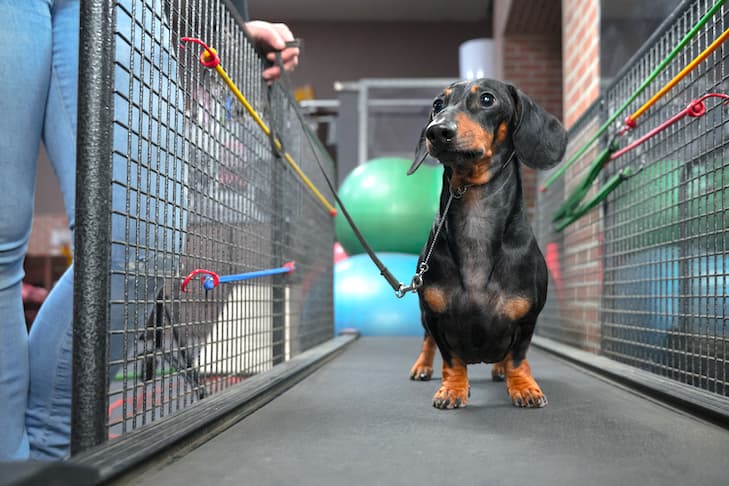
Dog parkour gives hyperenergetic dogs a safe, low-equipment outlet
Dog parkour turns benches, stumps, and playground gear into a controlled outlet for high-drive dogs. Its strict rules keep the work safe, not reckless.
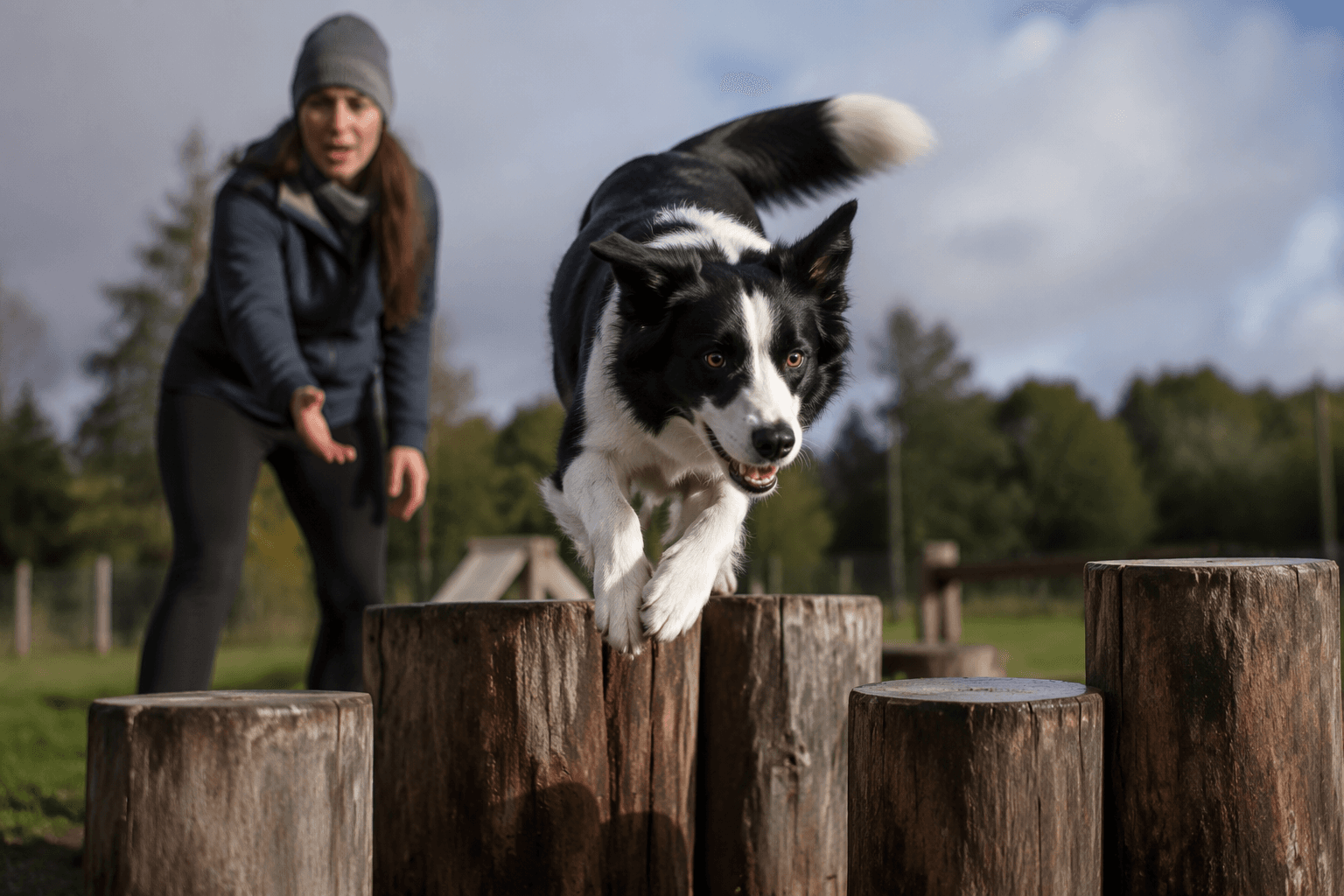
Dog parkour gives hyperenergetic dogs something better than a long run: a structured way to turn park benches, tree stumps, and playground gear into controlled work. The draw is simple and practical, because the sport uses everyday public objects instead of costly equipment, but the payoff depends on discipline, not speed. In this sport, the dog learns to think before it launches.
Why dog parkour fits high-drive dogs
In an Aug. 5, 2022 explainer, the American Kennel Club called dog parkour a fast-growing, fun, and accessible sport, and that accessibility is a big part of the appeal. You do not need a specialized field to start, and the sport can be adapted for many sizes and breeds instead of only athletic working dogs. That makes it a strong fit for dogs that need both physical output and better decision-making.
The best beginner mindset is to treat the environment as a training space, not a playground. A bench, a stump, or a low platform only matters if your dog can approach it calmly, choose it willingly, and handle the footing without scrambling. That is where dog parkour starts to feel different from a random jump session: the handler is building control first, and the obstacle comes second.
Safety comes before speed
The International Dog Parkour Association says dog parkour is only as safe as the handler makes it. Its rules allow the organization to mark a title submission non-passing if a dog looks overly fearful, stressed, or at risk of injury.
For a beginner, the biggest mistake is trying to make the dog do something because the obstacle looks easy to a person. Do not push for height, do not chase speed, and do not ask for work on a surface, angle, or object your dog has not chosen willingly. The confidence piece matters just as much as the physical piece, especially for hyperenergetic dogs that can rush into trouble when they are excited.
Impulse control belongs at the front of the process. Start with pauses, calm approaches, and clean dismounts before you ever think about chaining obstacles together. If your dog cannot wait, reset, breathe, and re-approach on cue, the session is not ready for harder work.
The progression has a real ladder
IDPA lays out its training path in stages: Training Level, Novice Level, Expert Level, and Championship. That structure gives you a clear route from basic skills to more complex choices and more independent performance.
Measurements do not need to be exact, and handlers are not formally measured. The sport values practical judgment over rigid precision, which is part of what makes it workable in real neighborhoods, parks, and city spaces. You are building safe, repeatable decisions on ordinary objects.
The sport rewards precision rather than raw speed. A dog that can hold a balance, step down carefully, and stay comfortable on the way through is showing the kind of control that titles are designed to recognize.
What the older safety materials show
Dog parkour is a low-impact activity that can be done anywhere. The movement vocabulary is broad: jumping, climbing, balancing over, crawling under, and going around obstacles. That mix gives energetic dogs an outlet that is mentally demanding without needing a formal course every time.
A few safe objects can turn a walk into a skill session, and the same public spaces can serve different dogs with different physical abilities. Because the activity is low-impact and adaptable, it can be shaped around what the dog can handle that day instead of forcing one fixed routine.
A sport that has matured beyond a novelty
Fenzi Dog Sports Academy calls parkour “urban agility,” which is a useful shorthand for what makes it recognizable to trainers. It sits alongside other dog sports, but the neighborhood itself becomes the training ground when the dog is ready.
All Dogs Parkour had 2024 rules and guidelines, along with 2024 exercise documents in its system.
This article was produced by Prism’s automated news system from verified source data, official records, and press releases, then run through automated quality and moderation checks before publishing. The system is built and supervised by the people who set the standards it runs under. Read our full AI policy.
Did this article answer your question?