How treadmills can help hyperenergetic dogs get daily exercise
A treadmill can be a lifesaver for hyperenergetic dogs when weather or time blocks outside exercise, but only if you treat it like training, not a shortcut.
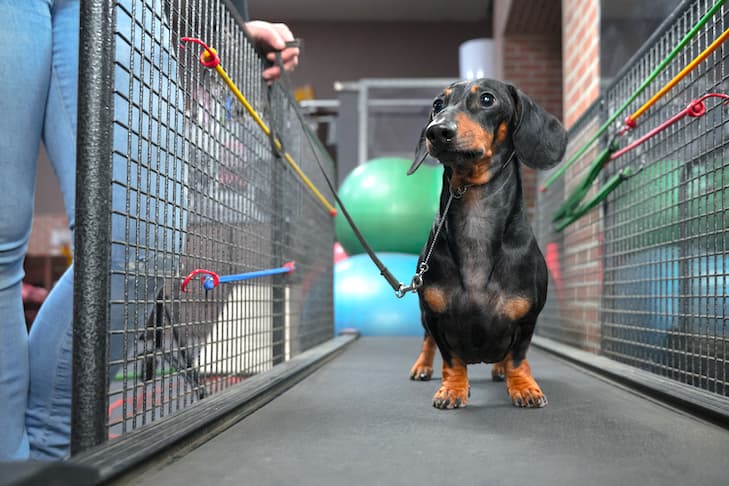
The American Kennel Club’s treadmill guide by Linda Lombardi was revised on Apr. 20, 2026: most dogs do not automatically understand a moving belt, so the real job is calm acclimation, rewards, and patience. Bad weather, a packed schedule, and a dog bouncing off the furniture can turn exercise into a daily standoff. An indoor treadmill helps in that exact moment, but only if you use it like a training tool, not a magic fix.
When a treadmill actually helps
For a hyperenergetic dog, the treadmill is most useful when you need controlled exercise on a repeatable schedule. It gives you a way to burn energy when you cannot get out for a long run, a trail walk, or off-leash play, and that predictability matters for dogs that get restless when the outlet disappears. Dogs need regular exercise to feel their best, and that fits the treadmill’s real value: it adds structure to the day instead of replacing every other kind of activity.
The treadmill does not cover the whole picture. It can help with the dog that paces the hallway, chews because it is under-stimulated, or starts acting like a shaken soda can by dinner time. Lack of stimulation is linked with nuisance behaviors such as boredom and destructive chewing, which is exactly where a steady indoor workout can take some pressure off the household.
How to introduce the belt without turning exercise into a fight
The best treadmill sessions start with the machine off. It sounds almost too simple, but it is the part most people skip when they are trying to solve an energy problem fast. The process is gradual acclimation, which means letting the dog learn the surface, the smell, the sounds, and the feel before the belt ever moves.
A clean introduction usually looks like this:
1. Let the dog investigate the treadmill while it is off.
2. Reward calm behavior on or near the machine.
3. Keep the first sessions short and low-pressure.
4. Turn the belt on only after the dog is relaxed.
5. Stop immediately if the dog looks anxious, reluctant, or uncoordinated.
A dog that braces, stumbles, freezes, or tries to bail is not being stubborn, it is telling you the setup is wrong for that moment. The treadmill should never become a place where you force speed or distance, because that turns a useful exercise option into a stress test.
Why positive reinforcement is not optional here
In “The Importance of Positivity in Dog Training,” published Aug. 17, 2022, Kathy Santo defines positive reinforcement as rewarding your dog for the things they do right. That is the right lens for treadmill work too, because the machine asks the dog to stay balanced, focused, and calm in a way that does not come naturally at first.
Rewarding the dog for stepping on, standing still, and moving steadily is what builds confidence. It also keeps the session from becoming a wrestling match between your goal and the dog’s instincts. If you push too fast, you lose the very thing that makes the treadmill useful: a dog that can learn to settle into a predictable rhythm.
Safety details that make or break the session
The treadmill is a supervised exercise tool, not a place to park a dog while you answer messages. The dog should never be left alone on it, and the session should be shaped by the dog’s comfort, not your stopwatch. Fit and footing matter too, because a sloppy setup invites slips, awkward strides, and hesitation the next time you bring the dog near the machine.
Cornell University College of Veterinary Medicine’s Riney Canine Health Center has a treadmill training resource for dogs. Cornell’s companion animal resources are based in Ithaca, New York. If you are working with a dog that already has mobility issues, poor coordination, or a history of fear around handling, that veterinary-school framing is the reminder to slow down and keep the session conservative.
What treadmill work is good for, and what it is not
A treadmill is a supplement, not a substitute for the real world. You still need outdoor sniffing, changes in surface, and the mental release that comes from a proper walk or play session. What the treadmill gives you is consistency: a way to keep a high-drive dog moving when life gets in the way, whether that means a storm, a dark evening, or a day when the calendar wins.
It is especially useful when your dog needs daily output but your actual day does not cooperate. Short, controlled sessions can keep energy from spilling into chewing, pacing, and general indoor chaos, and they can do it without depending on a huge yard or perfect weather. The key is to treat the treadmill like any other training behavior: start small, reward the right choices, and stop before the dog tips from focused into frazzled.
This article was produced by Prism’s automated news system from verified source data, official records, and press releases, then run through automated quality and moderation checks before publishing. The system is built and supervised by the people who set the standards it runs under. Read our full AI policy.
Did this article answer your question?