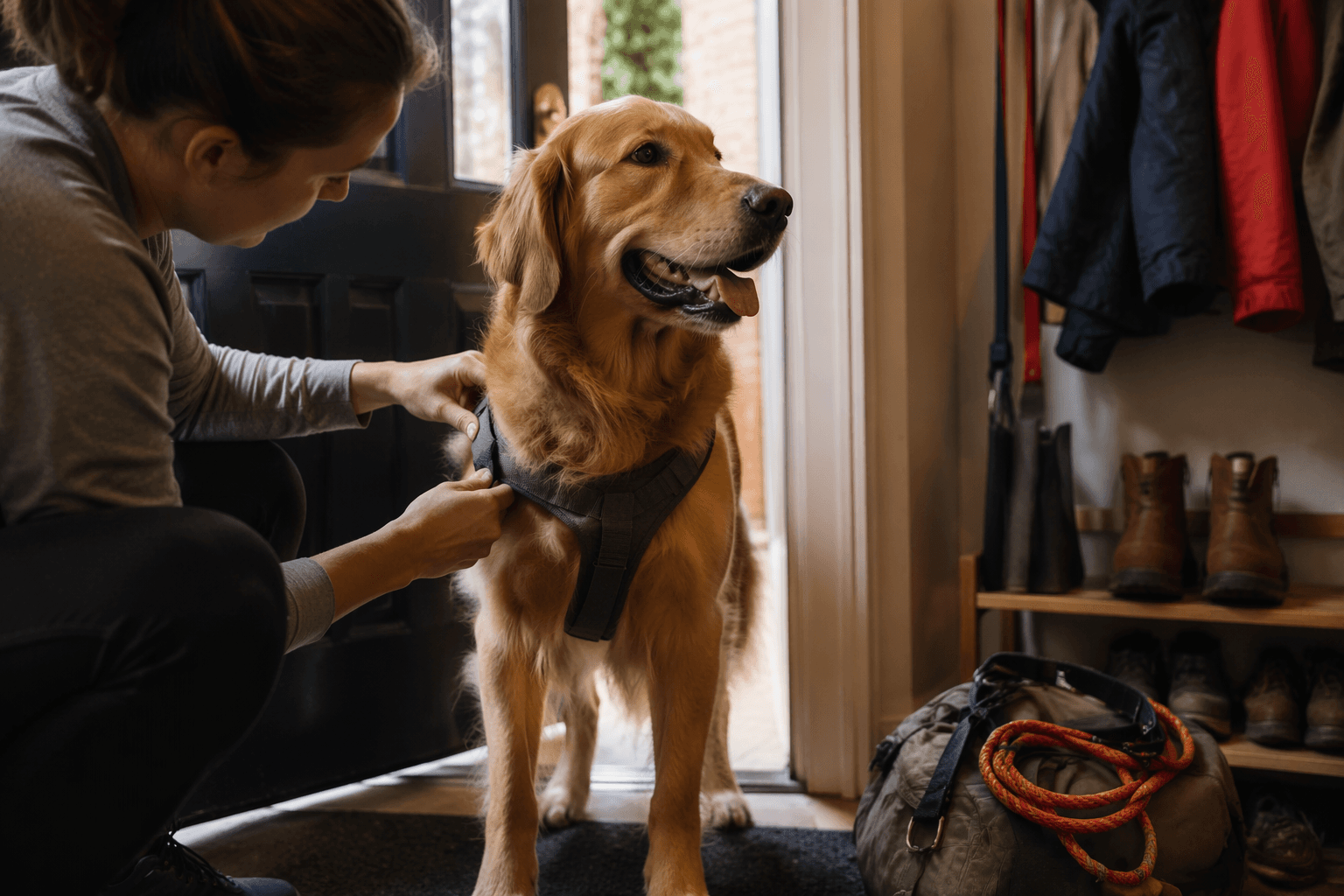
Belgian Malinois, tireless workers with extreme drive, need structured outlets
Shawn Ryan’s Malinois admiration is the easy part. The hard part is the daily reality: this is a dog bred for farm labor, then molded into a high-stakes working animal that needs serious structure.
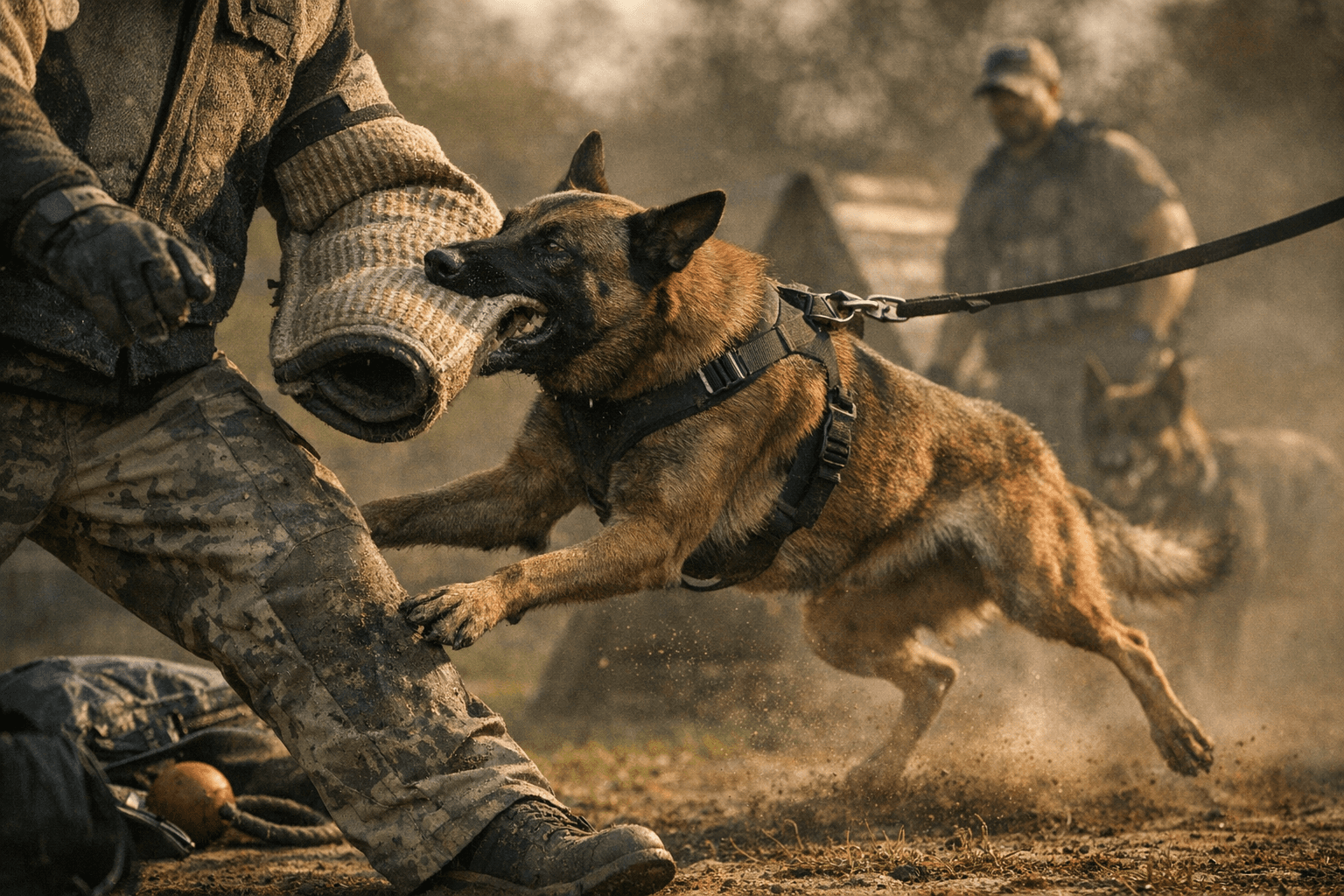
The Shawn Ryan effect has a point, but it also has a warning label
Shawn Ryan’s name lands because it instantly signals what the Belgian Malinois has become in the public imagination: the dog of raids, detection, patrol work, and terrifying composure under pressure. That “blood taste” framing and the talk of PhD-level focus capture the breed’s legend, but they also blur a more important truth: elite drive in a Malinois is not a lifestyle perk, it is a management problem if the dog lives in an ordinary home.
Built on small farms, not suburban daydreams
The Malinois did not start as a glamorous tactical icon. It was bred in and named after Mechelen, also called Malines, in northwestern Belgium in the late 19th century, where Belgian farmers developed it for hard labor on small holdings, often just one to 20 acres. These dogs guarded farms, herded livestock, pulled carts, and kept track of sheep, goats, geese, and ducks, which explains why the breed still reads as wired for motion, vigilance, and constant job assignment rather than casual companionship.
That working background matters because the dog’s modern reputation can make people forget how practical its original purpose was. A Malinois was built to cover a lot of tasks in a tight space, with speed and precision, not to be a decorative pet that can improvise its own entertainment.
Why the breed’s reputation keeps growing
The American Kennel Club describes the Malinois as strong, agile, well-muscled, alert, and full of life, which is exactly the kind of language that fuels the hype cycle. The same breed that began on Belgian farms is now closely associated with U.S. military and police work, including Navy SEAL operations, and the AKC notes that most of the dogs working with Navy SEALs are Malinois, including Cairo, the dog tied to the 2011 bin Laden raid.
That reputation did not happen by accident. Over time, the breed expanded far beyond herding into detection, protection, and other high-performance roles, and that shift is part of why the Malinois shows up in conversations about operational dogs, not just family pets. Admiration is earned here; the problem is when admiration gets mistaken for compatibility.
What “elite drive” actually looks like at home
The Royal Kennel Club lists the Belgian Shepherd Dog (Malinois) as a versatile herding and armed services dog that needs more than 2 hours of exercise per day. That number is only the starting point, because exercise alone does not explain the breed’s intensity. A Malinois can be sensitive and affectionate at home, but in police and military work the breed’s exceptional strength and stamina are part of what makes it so effective when danger is part of the assignment.
That combination is exactly why casual ownership gets tricky. Strong attachment to the owner, alertness, stamina, and a constant readiness to engage can be wonderful in a trained working context; without a clear job, those same traits can spill into restlessness, fixation, and pressure that never really switches off. “Structured outlets” is not a catchy phrase here, it is the difference between a dog that thrives and a dog that overwhelms the household.
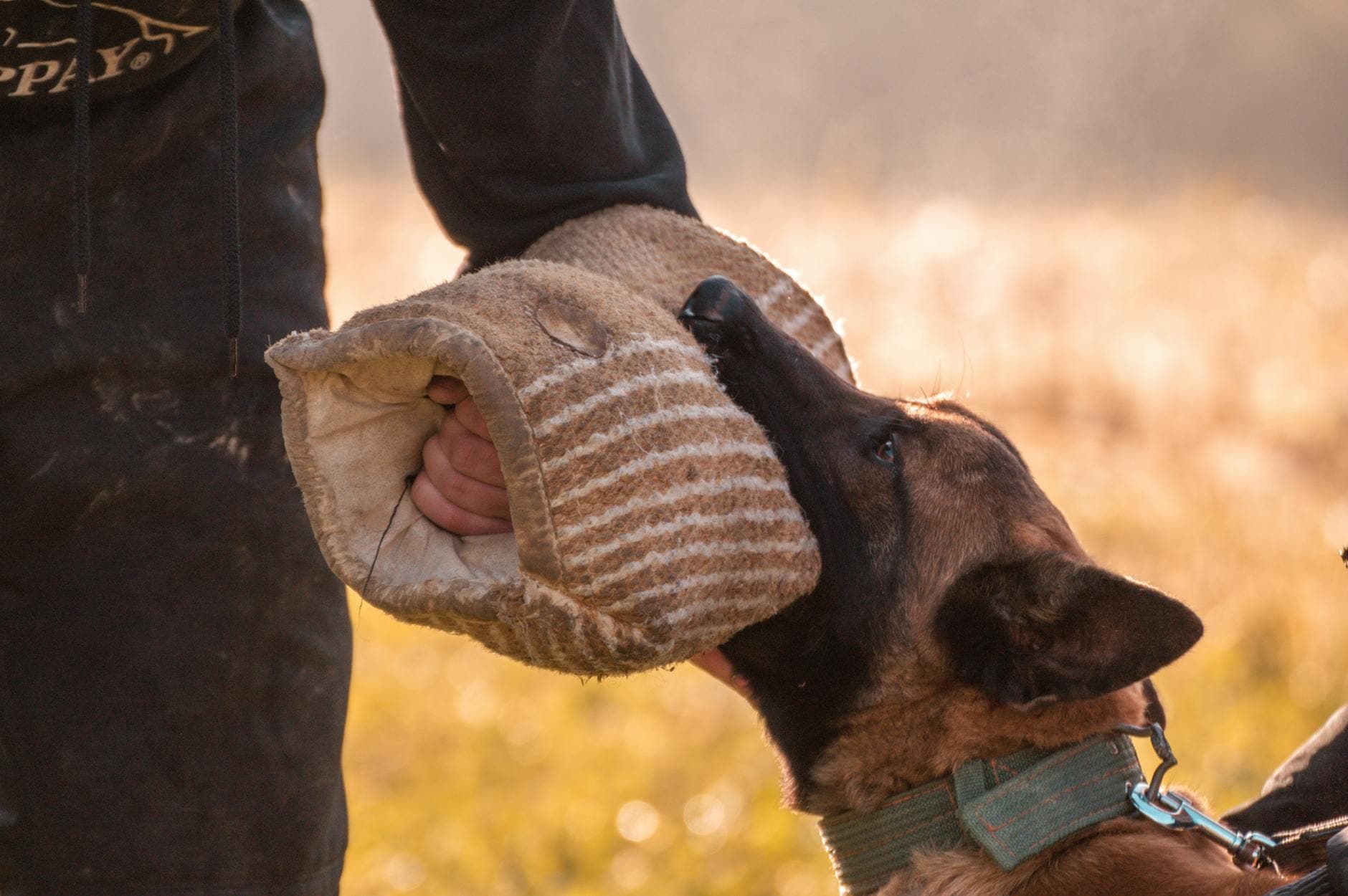
The rescue numbers are the reality check
The warning signs are not theoretical. The AKC reports that surrenders to the American Belgian Malinois Rescue rose steadily since 2011, from around 100 dogs per year to well over 200. About 90% of those surrenders were dogs bred for protection sports, private protection, narcotics detection, border patrol, or military and police work.
That detail matters because it shows where many of the problems begin: these are not random mixed backgrounds, but dogs selected for very specific intensity. When that intensity is moved into homes that cannot provide the same level of control, work, and outlet, the breed’s strengths become the reasons it is surrendered. The numbers also explain why the Malinois keeps coming up in breed-warning conversations even as its popularity in working-dog circles stays high.
A breed split on paper, one history in practice
The Malinois also carries a confusing identity problem that adds to its myth. Most of the world’s kennel clubs treat the Belgian Shepherd as one breed with four varieties, but the American Kennel Club split them into four separate breeds in 1959. The AKC says black-coated Belgians arrived in the United States in 1911, and that the division was based on differences in coat type and color.
That split helps explain why people sometimes talk about “Belgian Shepherds” and “Malinois” as if they are interchangeable, while others treat them as separate categories. In practical terms, though, the working temperament and demands associated with the Malinois have stayed central to the breed’s identity in the United States, especially as its image has become tied to military and police work.
Why the hype should be read with caution, not contempt
There is a reason enthusiasts keep praising the Malinois for speed, agility, and endurance. Those traits are real, and in the right hands they make the breed one of the most striking performance dogs in the world. But the same qualities that make a dog useful to a handler in a structured, high-stakes role are the qualities that can make ordinary pet life exhausting, especially when the dog is expected to self-regulate without the steady framework it was bred to need.
That is the line the hype cycle often skips. It is easy to admire the breed’s polish in police and military work, or to latch onto the aura around famous handlers like Shawn Ryan. It is much harder to ask the more honest question: does this level of intensity belong in a normal home, where the job is living room life, not a mission profile? For many households, the answer is no, and the breed’s rescue pattern suggests that reality catches up fast.
This article was produced by Prism’s automated news system from verified source data, official records, and press releases, then run through automated quality and moderation checks before publishing. The system is built and supervised by the people who set the standards it runs under. Read our full AI policy.
Did this article answer your question?