Experts say bored dogs need enrichment, not more feeding or restraint
Bored dogs are often mislabeled as hyper or aggressive when their needs are simply unmet. Experts say enrichment, exercise, and safety come first, not more food or restraint.
The myth that feeding will calm a dog falls apart fast
A viral post from @theskindoctor13 pushed back on a familiar idea: if a dog is restless, feeding it, or clustering animals around food, will somehow settle things down. The post drew more than 6,000 likes and 1,800 reposts because it hit a nerve with people who have seen the opposite happen in real life. Unmet exercise and stimulation needs do not disappear at the bowl. They often come back as barking, pacing, guarding, and the kind of rough edge that people mistake for a dog simply being “bad.”
That message lines up with the broader veterinary and training consensus. The ASPCA says regular enrichment is key to a happy and healthy dog, and warns that dogs without stimulation tend to create their own enrichment, which leads to unwanted behaviors. In plain terms, a bored dog will make its own project out of your furniture, your fences, your windows, or the nearest stranger, and that is where the trouble starts.
What enrichment really means for a high-energy dog
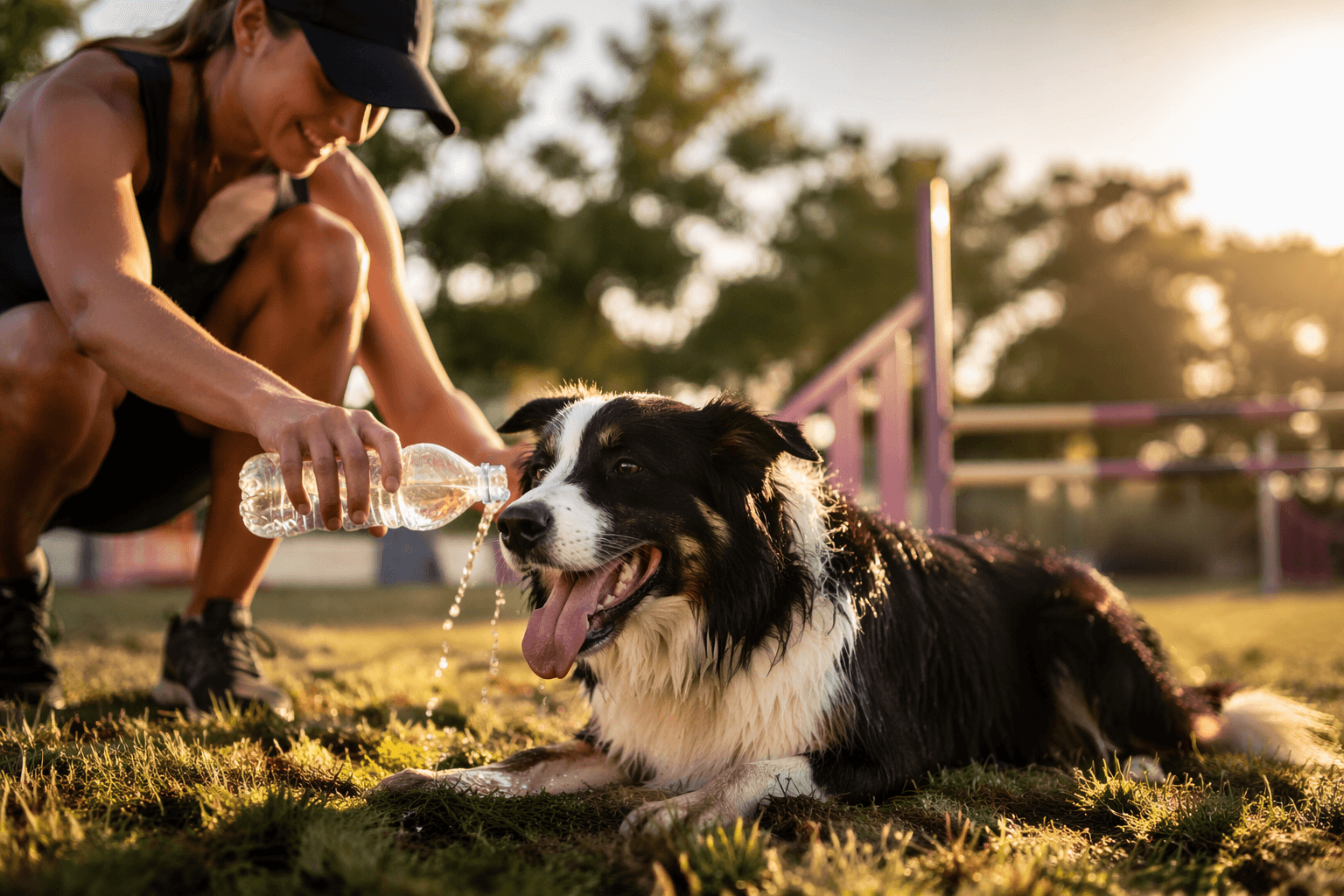
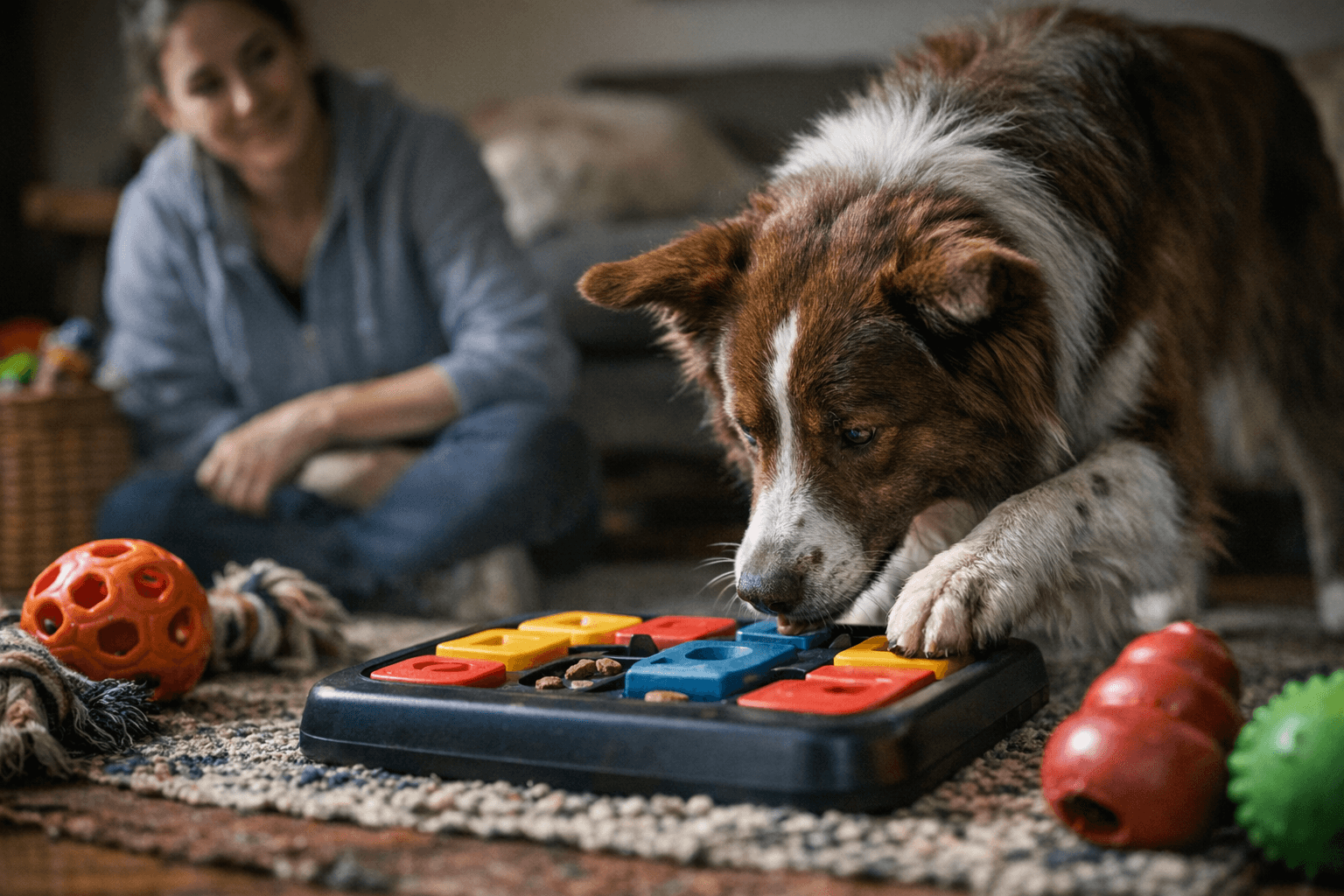
The word enrichment can sound soft and abstract, but the ASPCA describes it in concrete terms: dogs need chances to play, chase, smell, chew, and scavenge. Those are not luxuries. They are species-appropriate outlets that help direct energy before it hardens into restlessness or conflict. When those outlets are missing, the dog is left to improvise, and improvising is where many of the behaviors people call “aggressive” begin to show up.
That is why the feeding myth is so misleading. Concentrated feeding can create territorial tension rather than calm, especially when multiple dogs are involved or when food is dropped in a place that already feels contested. Instead of settling the group, food can sharpen competition and make guarding more likely. In a dog community, that is less a solution than an ignition source.
Why “hyper” is often a misread
American Kennel Club experts say many cases of a “hyper” dog are really a sign that the dog’s physical, mental, and social needs are not being met. That distinction matters, because “hyper” gets used as a catch-all for very different problems. A dog that is under-exercised, under-stimulated, or living on a schedule that makes no sense to its body is not necessarily disobedient. It may simply be under-served.
The AKC also warns that if you do not meet a dog’s needs, behavioral issues are sure to follow. That can look like pushing boundaries indoors, fixating on every sound outside, or escalating the moment the dog feels trapped. For anyone used to working dogs, sports dogs, or intense family companions, that is a familiar pattern: behavior is often information, not attitude.
The Finnish study that makes the pattern hard to ignore
A 2021 study of 11,000 Finnish pet dogs added a useful layer to this discussion. The study found that hyperactivity and impulsivity, along with inattention, were more common in young male dogs and in dogs that spent more time alone at home. It also found strong links between those traits and compulsive behavior, aggressiveness, and fearfulness. That combination matters because it shows hyperactive-looking behavior is rarely just one thing.
Newsweek cited an expert in related advice who said boredom and insufficient mental stimulation can contribute to anxiety, destructive behavior, and excessive barking. That fits the larger picture: when a dog is mentally underfed, the fallout does not stay neatly in one category. It spills into mood, noise, and behavior that can look more severe than it is.
The first things to check before calling a dog aggressive
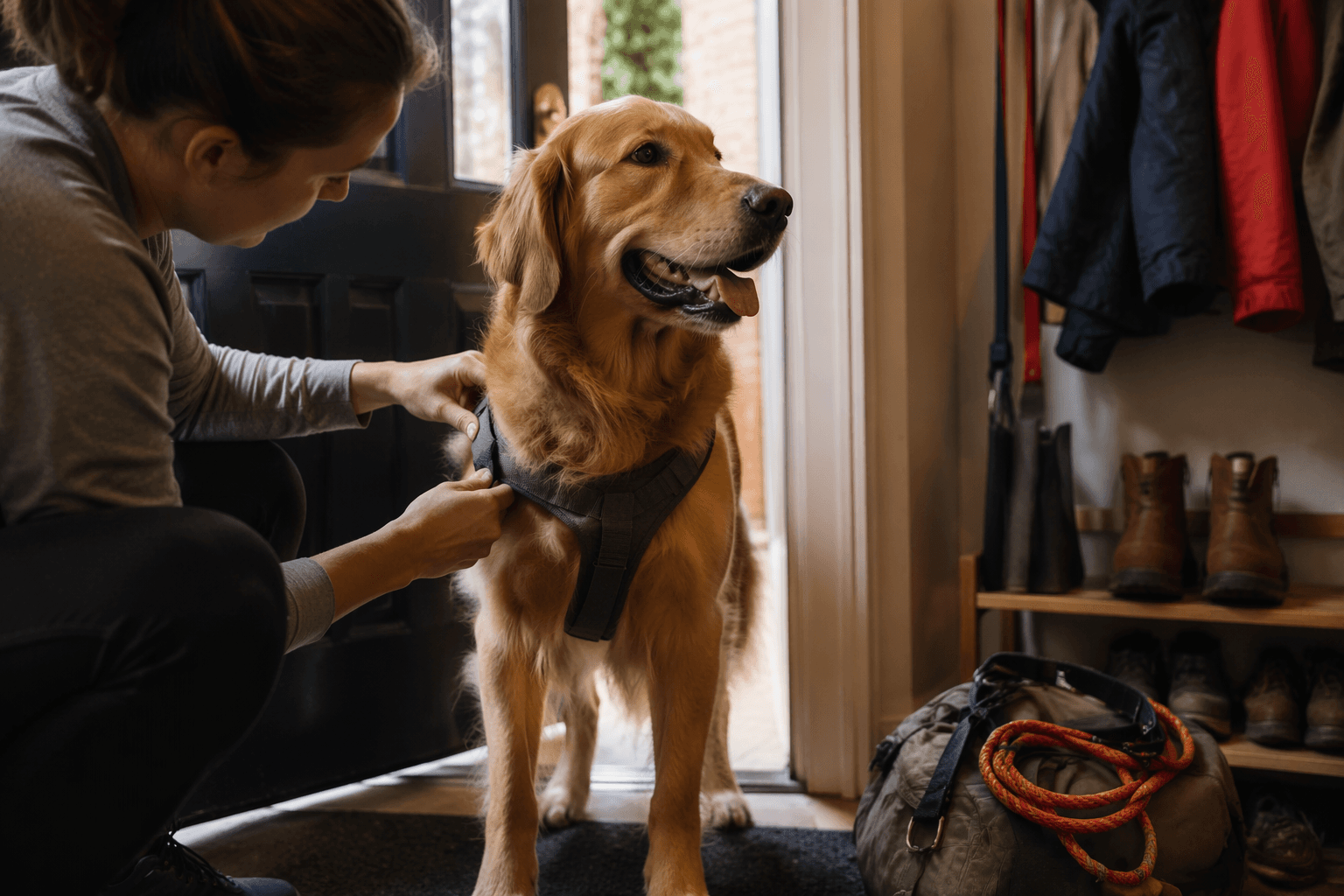
The practical lesson here is simple: do not start with punishment, restraint, or more food. Start with the dog’s unmet needs. A dog that looks difficult may be underworked, under-stimulated, lonely, or stuck in a routine that leaves no room for natural behavior.
Before you label a dog “aggressive” or “hyper,” check these first:
- Is the dog getting regular enrichment that allows play, chase, smell, chew, and scavenge?
- Is the dog spending long stretches alone, especially if the behavior looks like restlessness or inattention?
- Is the daily schedule consistent enough to support physical, mental, and social needs?
- Is the dog guarding food, space, or people because the environment keeps creating territorial pressure?
- Is the behavior worsening around boredom, confinement, or lack of activity rather than around clear provocation?
Those are the questions that separate a fixable management problem from a true behavior issue. They also help prevent people from misreading a dog’s stress as simple bad manners.
Why territorial behavior can turn dangerous fast
The ASPCA says aggression is the most common and most serious behavior problem in dogs. The American Kennel Club adds that territorial aggression may be natural as a way for a dog to protect its property, but it is dangerous and difficult to manage without professional help. That is especially important when food is involved, because feeding can create the exact kind of territory a dog feels compelled to defend.
This is where “calming” ideas can become dangerous folklore. If you gather dogs around food, the result can be stronger guarding, sharper competition, and more risk for people trying to intervene. What looks like kindness can become a setup for conflict if the dogs already lack structure, stimulation, or a clear routine.
Why this matters near roads and in public spaces
The road-safety angle is not theoretical. The American Veterinary Medical Association says loose pets in vehicles can threaten both pet and human safety. That warning underlines the risk of gathering strays or loosely managed dogs near highways, where food can pull animals into dangerous spaces and keep them there. Once dogs are focused on food, they are less focused on traffic, people, or escape routes.
That makes stray feeding around highways a public-safety issue as much as a behavior issue. The viral post resonated because it connected a familiar instinct, helping an animal, with the harder truth that feeding in the wrong place can increase territorial behavior and traffic danger at the same time. For people living around busy roads or managing loose dogs, that distinction can be the difference between a nuisance and an emergency.
The bottom line for restless dogs
The fastest way to calm the story around a high-energy dog is not more feeding and not more restraint. It is meeting the dog’s actual needs before the behavior escalates into guarding, barking, destructiveness, or fear. The science and the field advice agree on the same point: a dog that looks “too much” is often a dog that has been given too little structure, too little stimulation, or too little support.
That is why the viral post worked. It did not just argue with a myth. It turned a common frustration into a practical warning: fix the unmet needs first, because boredom does not disappear on its own, and food alone will not teach a dog how to settle.
This article was produced by Prism’s automated news system from verified source data, official records, and press releases, then run through automated quality and moderation checks before publishing. The system is built and supervised by the people who set the standards it runs under. Read our full AI policy.
Did this article answer your question?