Virginia law lets parents handle service dogs in public schools
Charlie Kreitz missed school because Wendy could not come without a parent. Virginia has now said a trained parent can be the school-day handler.
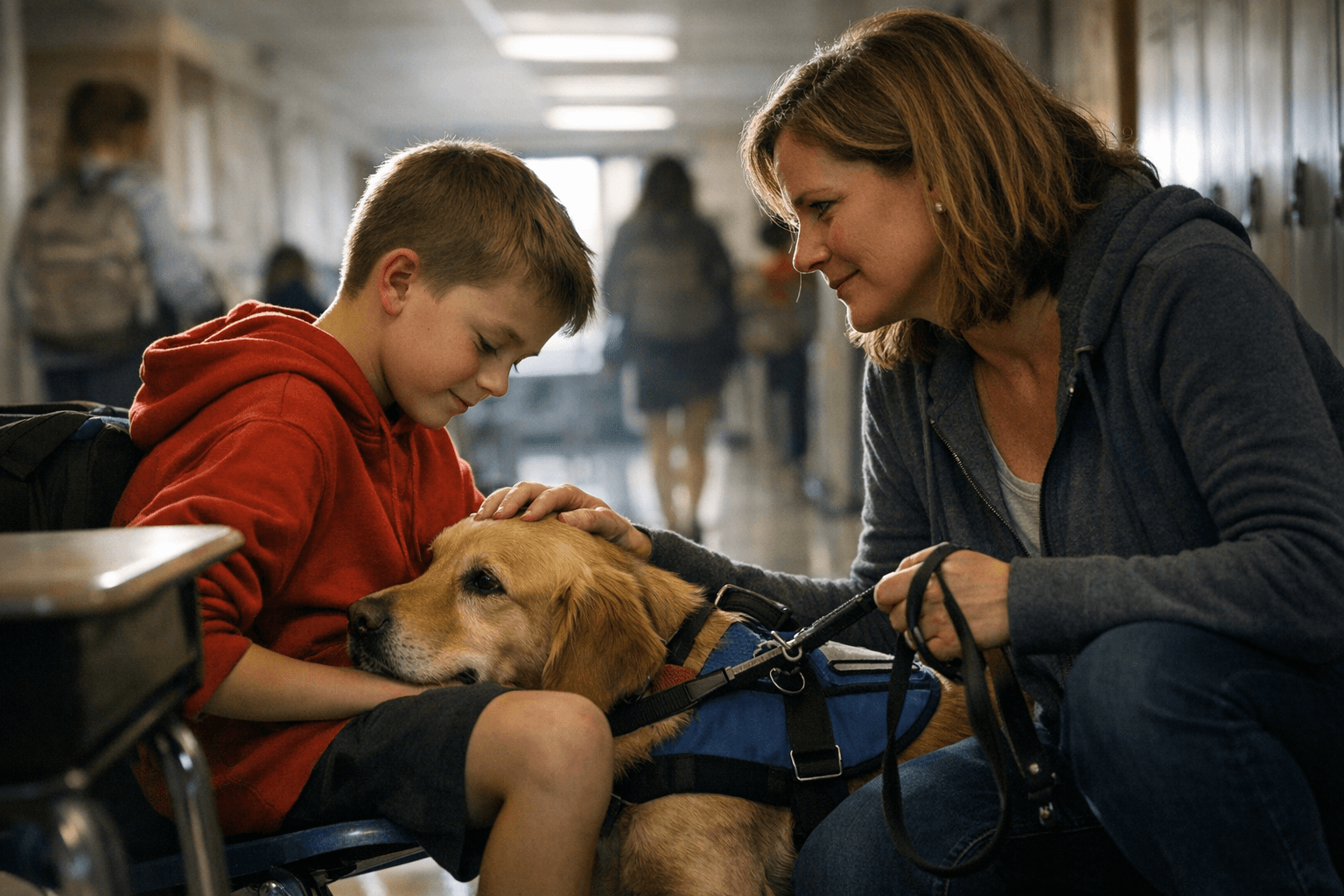
Charlie Kreitz and his father, Matt Kreitz, spent months fighting over a question that should have been simple: who can hold the leash when a service dog walks into school. Virginia answered it this week by saying a parent can be the trained adult handler in a three-unit service dog team, a change that puts Charlie’s dog, Wendy, back at the center of his school day instead of at home.
House Bill 1336, introduced Jan. 19 by Del. Hyland F. “Buddy” Fowler, Jr., cleared both chambers unanimously, then was approved by the governor on April 13 as Chapter 778. The law takes effect July 1. Under the revised disability-rights language, the adult trained to handle a service dog in a three-unit team can include a parent of the person with a disability. That matters because the old interpretation had left Charlie in limbo even though Hanover County Public Schools had already welcomed Wendy into the building.
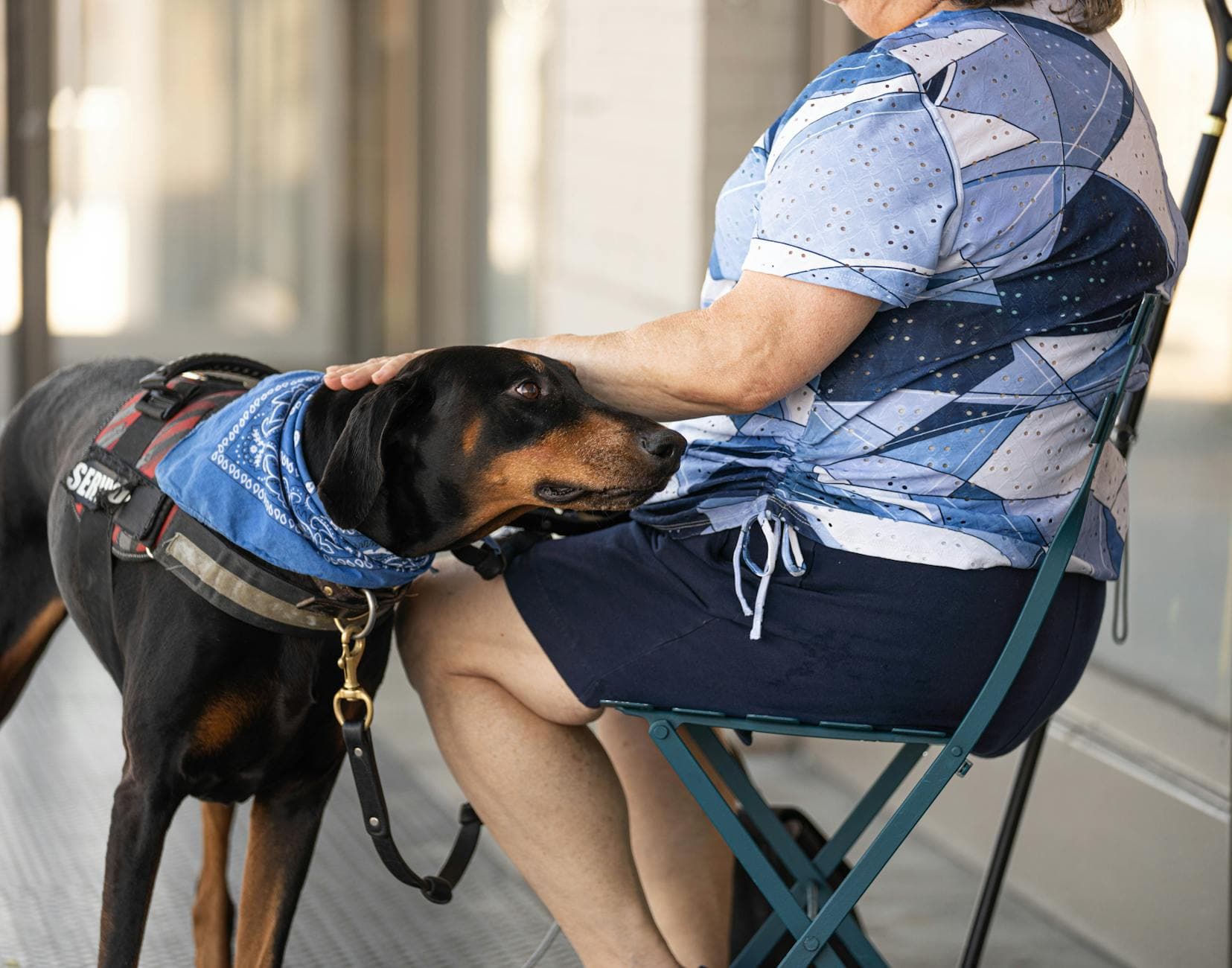
Charlie has autism and a panic disorder, and his family says Wendy helps him through severe panic attacks. WRIC reported that the dog performs constant light pressure and dozens of other tasks to interrupt those episodes. Charlie and his family went through two weeks of training with Wendy, and either parent could serve as the third-party handler. But Hanover County Public Schools would not permit Charlie’s mother to attend school with him as the dog’s handler, and that restriction meant Wendy could not accompany him to class. Earlier reporting said Charlie had already missed school for two-and-a-half weeks because he could not bring Wendy unless a parent was present.
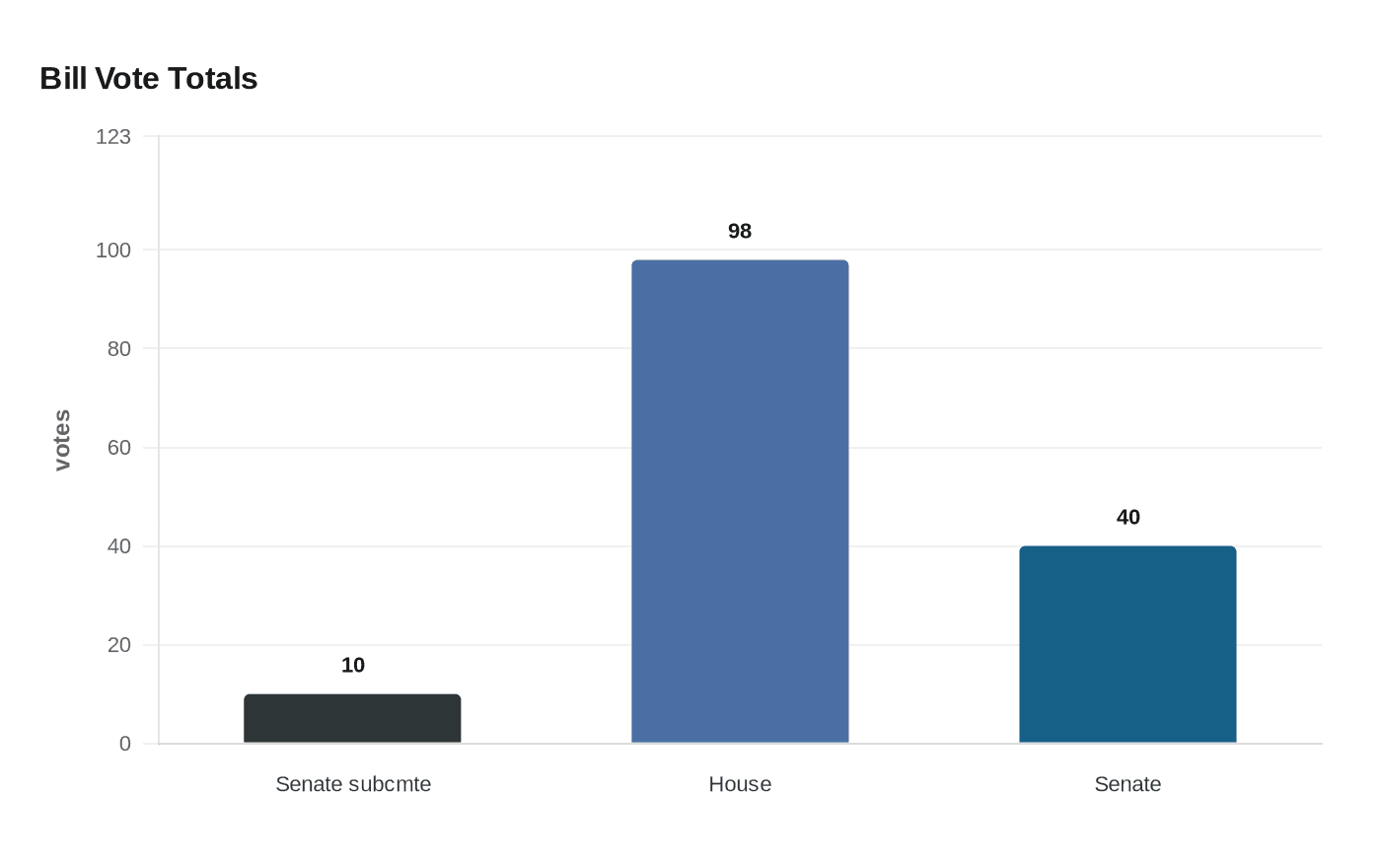
The legislative fix narrowed after educators and school groups raised concerns about local control. An earlier version would have limited a school’s ability to challenge a parent handler only through a court order, but lawmakers removed that language. After the substitute was accepted, a Senate subcommittee advanced the bill 10-0, the House passed it 98-0 and the Senate followed 40-0. Even without the court-order language, the law changes daily logistics for families whose dogs do more than provide comfort: it lets a trained parent step into the role that can make attendance possible.
Virginia’s Department of Education had already said in 2011 guidance that the state’s school-access law gave each student a near absolute right to be accompanied by a service dog in a Virginia public school. HB1336 now makes the handler question explicit. For families, that means the dog, the child and the trained adult can function as one team from drop-off to dismissal, instead of splitting the team at the school door.
Know something we missed? Have a correction or additional information?
Submit a Tip