Bikejoring turns hyperenergetic dogs into focused trail athletes
When a long walk no longer touches the gas in a high-drive dog, bikejoring gives that speed a real job. The trick is matching the right temperament, gear, and safety setup.
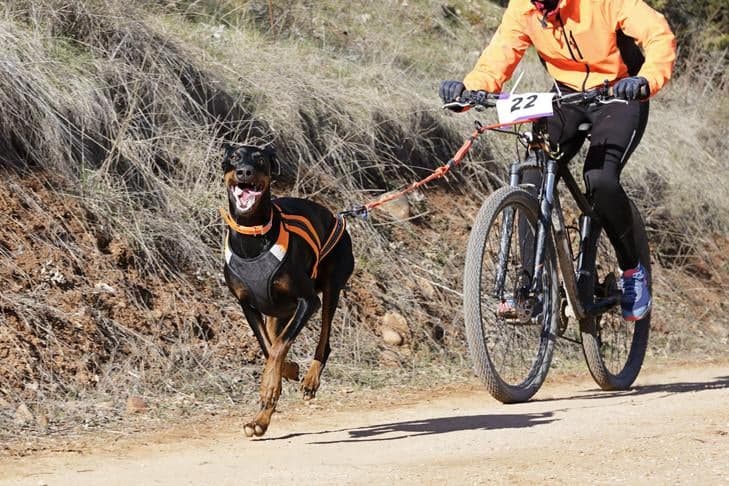
Your dog runs in front of a bicycle, pulls the rig forward, and stays mentally locked onto the trail. Instead of pacing the block on a leash, your dog does a real pulling sport rooted in sled dog racing, not a novelty ride. The American Kennel Club guide on the sport is credited to Gemma Johnstone and was updated Mar. 25, 2026.
What bikejoring actually is
At its core, bikejoring is dog-powered mountain biking. It belongs to the dryland dog-mushing world, where the same basic idea can be done with a bike or a push scooter, and with one or two dogs out front. The dog is not tagging along for the ride; it is doing the work, and the whole team depends on the dog’s forward drive, focus, and ability to keep tension on the line without chaos.
The sport is already well established in Europe and still growing in the United States.
Which dogs are actually good candidates
The best bikejoring candidates are the dogs that seem to need a purpose as much as a workout. You want the dog that loves speed, pulls naturally into harness work, and can stay tuned in even when the trail is moving under its feet. A dog that is fit, adventurous, and responsive enough to stay safe around a bicycle has the raw material bikejoring needs.
The wrong candidates are just as important to name. If your dog is still too young to handle sustained pulling, poorly conditioned, or unsafe around moving bikes, this is not the outlet to start with. The same goes for a dog that surges unpredictably, ignores cues, or cannot settle into a controlled run, because the sport depends on momentum plus control, not raw excitement alone.
In the broader AKC sports world, almost all sports welcome all dogs, including mixed breeds, and AKC sports pages frame dog sports as a fit for both beginners and veteran exhibitors.
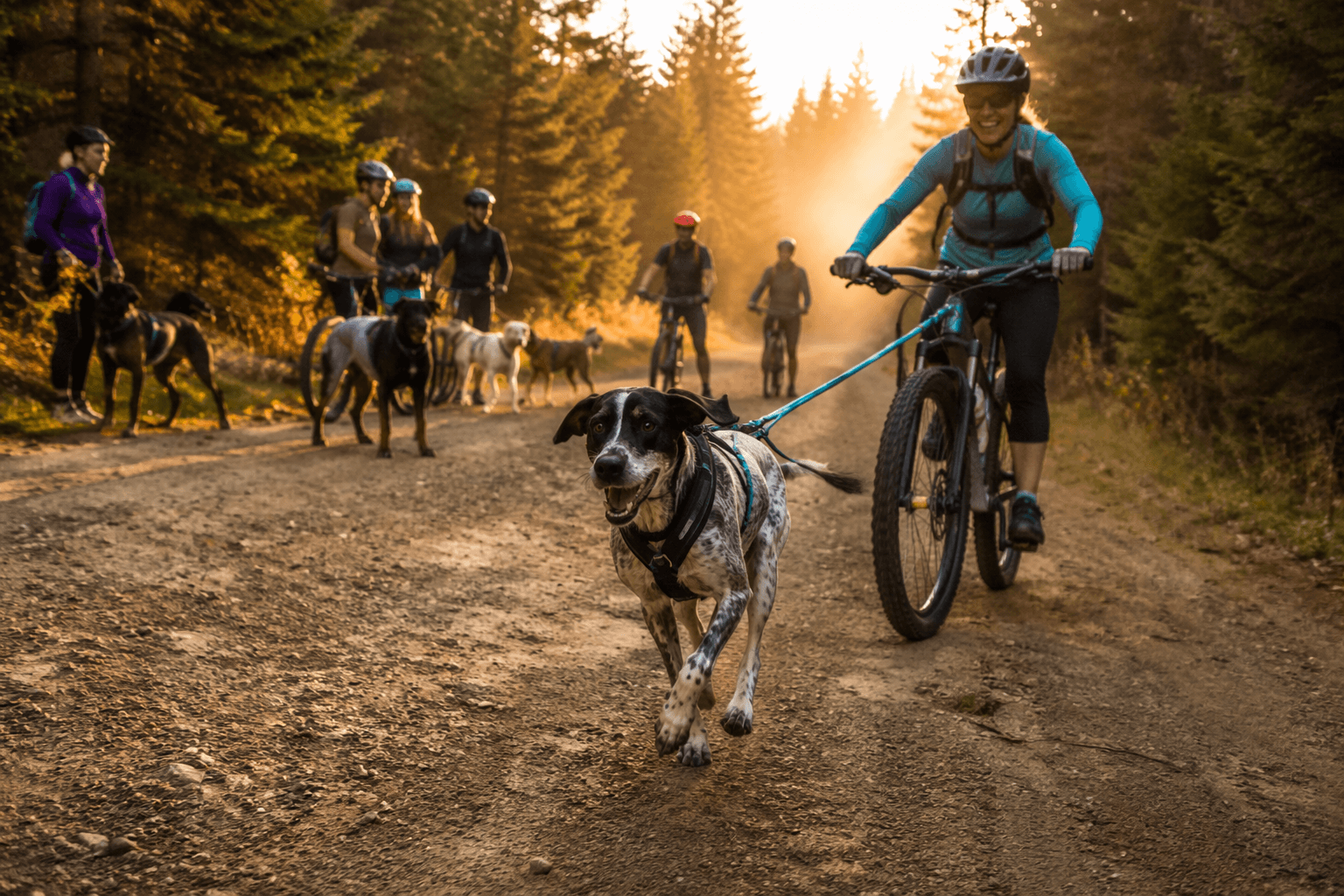
- Good signs: strong chase or pull drive, steady focus, comfort with forward motion, and enough conditioning to work without falling apart.
- Bad signs: panic around wheels, poor leash manners, weak body control, or a dog that tires so fast it loses form before the run is over.
The gear that separates bikejoring from ordinary biking
Bikejoring is not the same thing as taking your dog for a ride beside your bike. The basic setup needs a pulling harness designed for the work, a tow line connecting dog and bike, and a way to keep that line away from the front wheel. That last point is not a footnote, because a line that reaches the wheel can turn a controlled pull into an immediate crash.
Bikejoring can be done with one or two dogs, which makes the rigging even more important. One common safety solution is an antenna or similar guide mounted on the bike so the tow line stays clear of the front wheel.
- a pulling harness that spreads the work across the dog’s body,
- a tow line that is meant for the sport, and
- a line guide that keeps the line from dropping into the wheel path.
If you are building your first setup, think in three parts:
How the first session should actually unfold
AKC safety guidance for biking with dogs centers on speed control, tow-line management, and conditions that keep both dog and rider safe. The first session is not about covering ground; it is about proving the team can move cleanly together. You are looking for calm, straight, controlled pulling, not distance for distance’s sake.
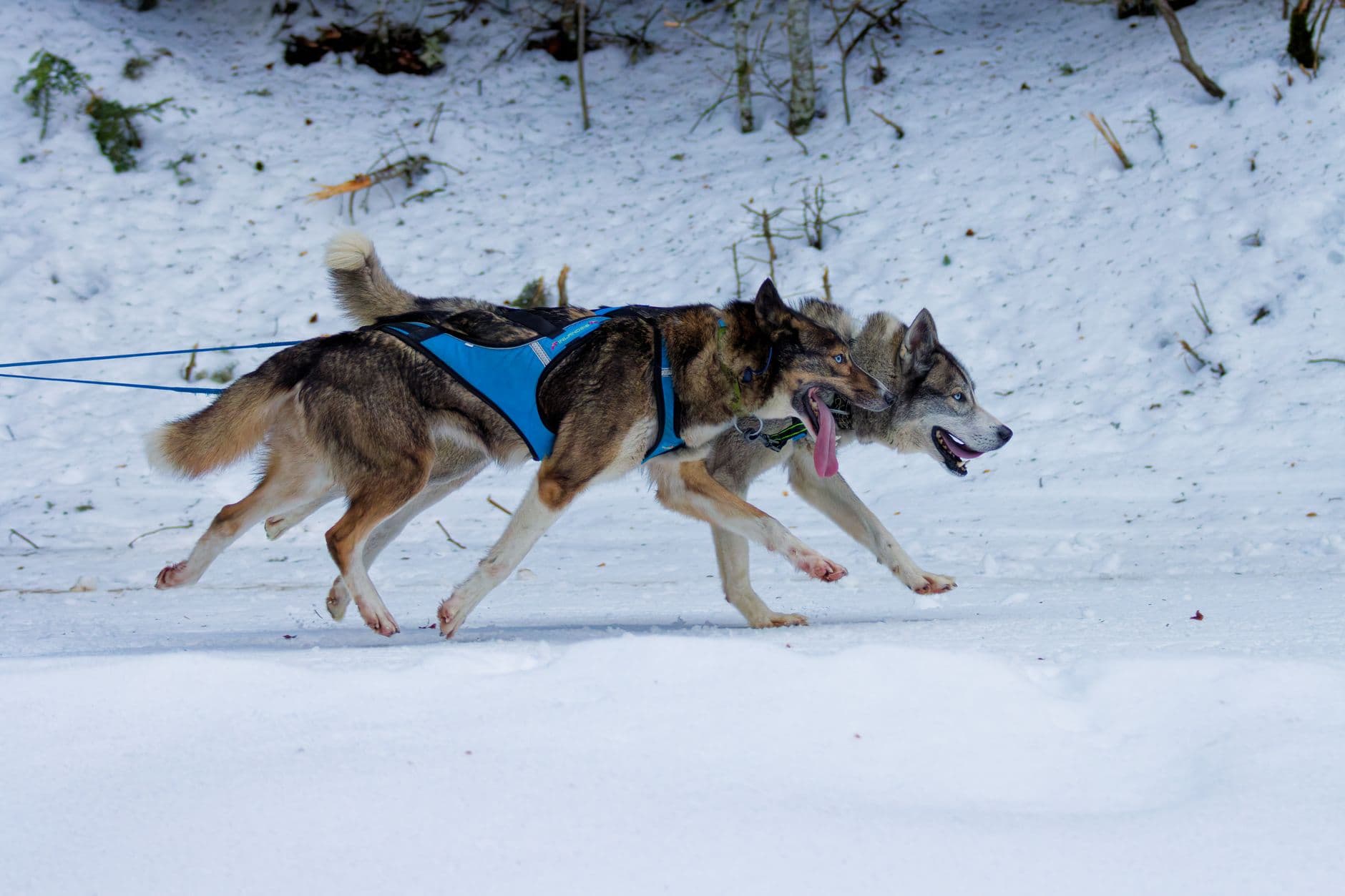
A sensible first run is simple: 1. Fit the harness and make sure the dog is comfortable wearing it before you ever ask for speed. 2. Start in a quiet, open place where you can control pace and avoid surprises. 3. Keep the first movement straight and short enough that form stays clean. 4. Stop while the dog is still working neatly and listening, not after the dog is cooked.
Teach the dog that the bike means a job with rules. If the dog understands the lane, the pull, and the stop, you can build from there without turning the outing into a wrestling match.
The mistakes that turn an outlet into an injury risk
The biggest mistake is assuming bikejoring is just a longer walk with better scenery. A hyper dog that is allowed to charge without structure can make speed control impossible, and speed control is one of the main things AKC’s biking safety guidance flags for this sport. Another common mistake is sloppy line management, especially when the tow line is close enough to reach the front wheel.
There is also a conditioning trap. A dog that looks eager at the start can still be too underprepared to sustain the pull, and once form breaks down, the sport stops being a release and starts becoming a strain. The sport only stays safe when the dog is ready for the work and the rig keeps the line out of the wheel.
Why this sport keeps finding new fans
Bikejoring sits inside a much bigger dog-sport scene. The AKC says there are 22,000 events held each year across its sports ecosystem.
This article was produced by Prism’s automated news system from verified source data, official records, and press releases, then run through automated quality and moderation checks before publishing. The system is built and supervised by the people who set the standards it runs under. Read our full AI policy.
Did this article answer your question?