Denver police K9 Adele retires after seizing $1 million in narcotics
Adele retired after eight years on Denver’s narcotics team, helping pull more than $1 million in drugs off the streets in a career built on scent, stamina and training.
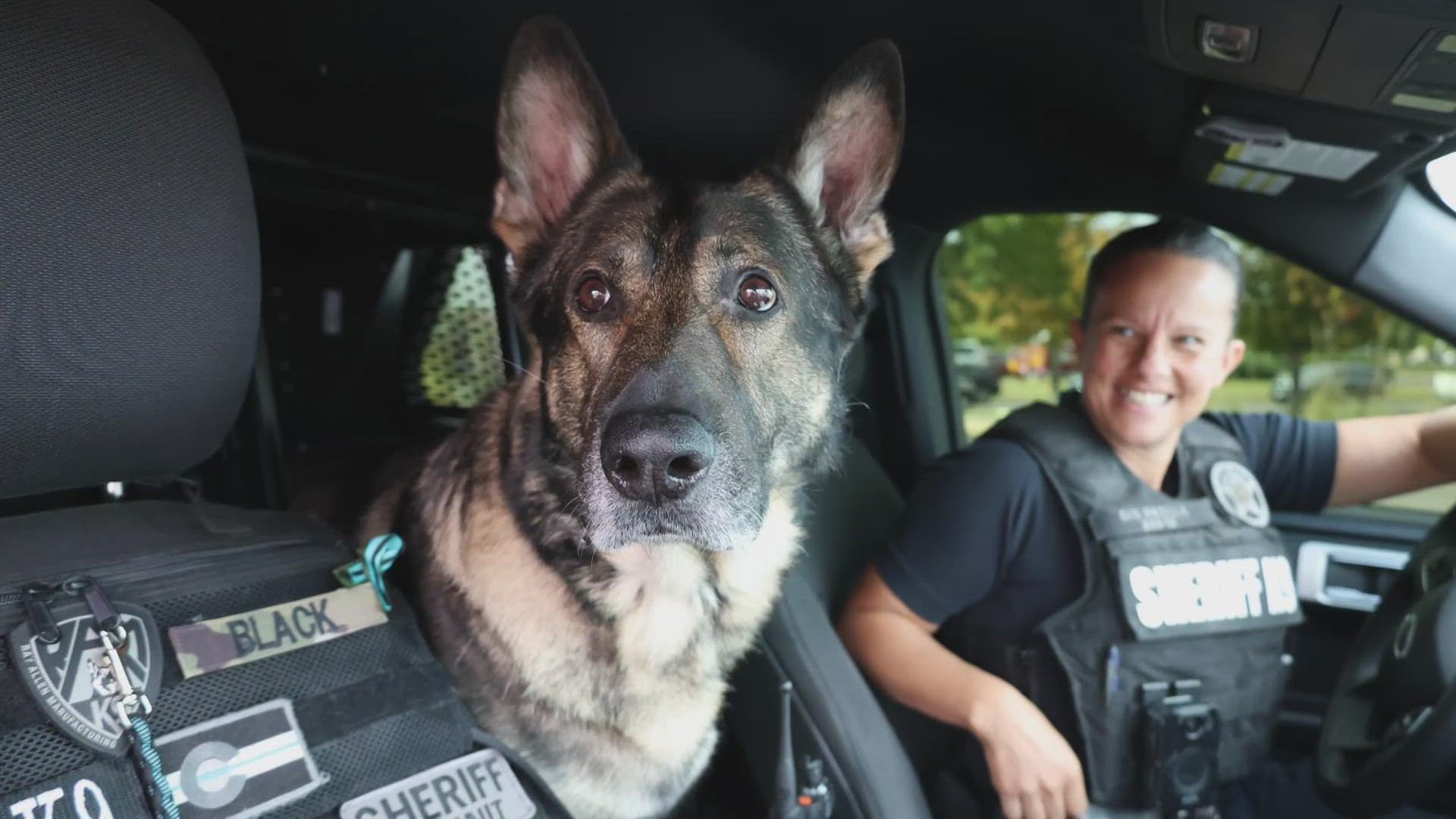
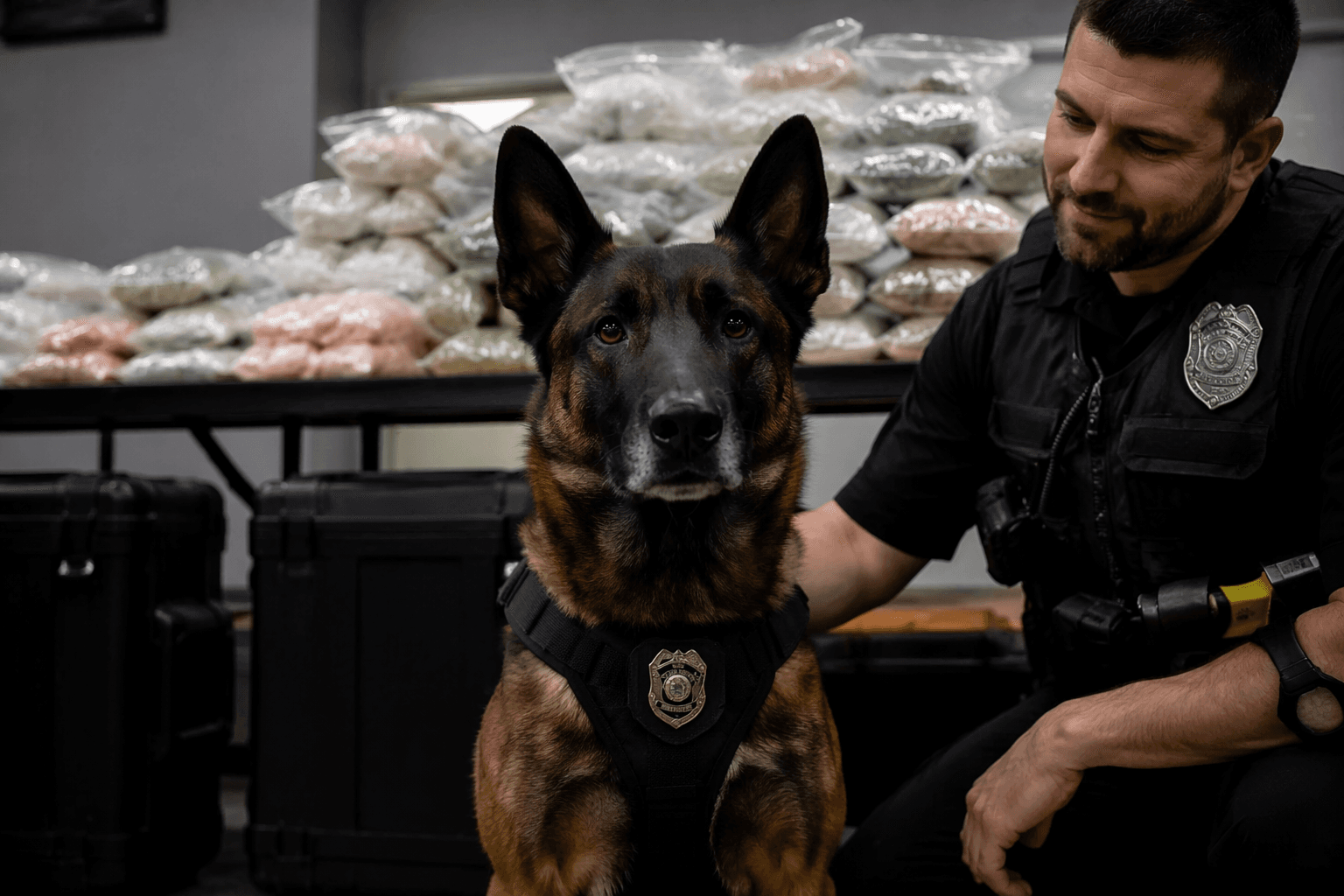
Denver’s K9 Adele is heading into retirement with a record that reads like a serious working-dog résumé: eight years on the narcotics team, more than $1 million in street-value drugs taken out of circulation, and a career built on the kind of focus high-drive dogs are bred to deliver.
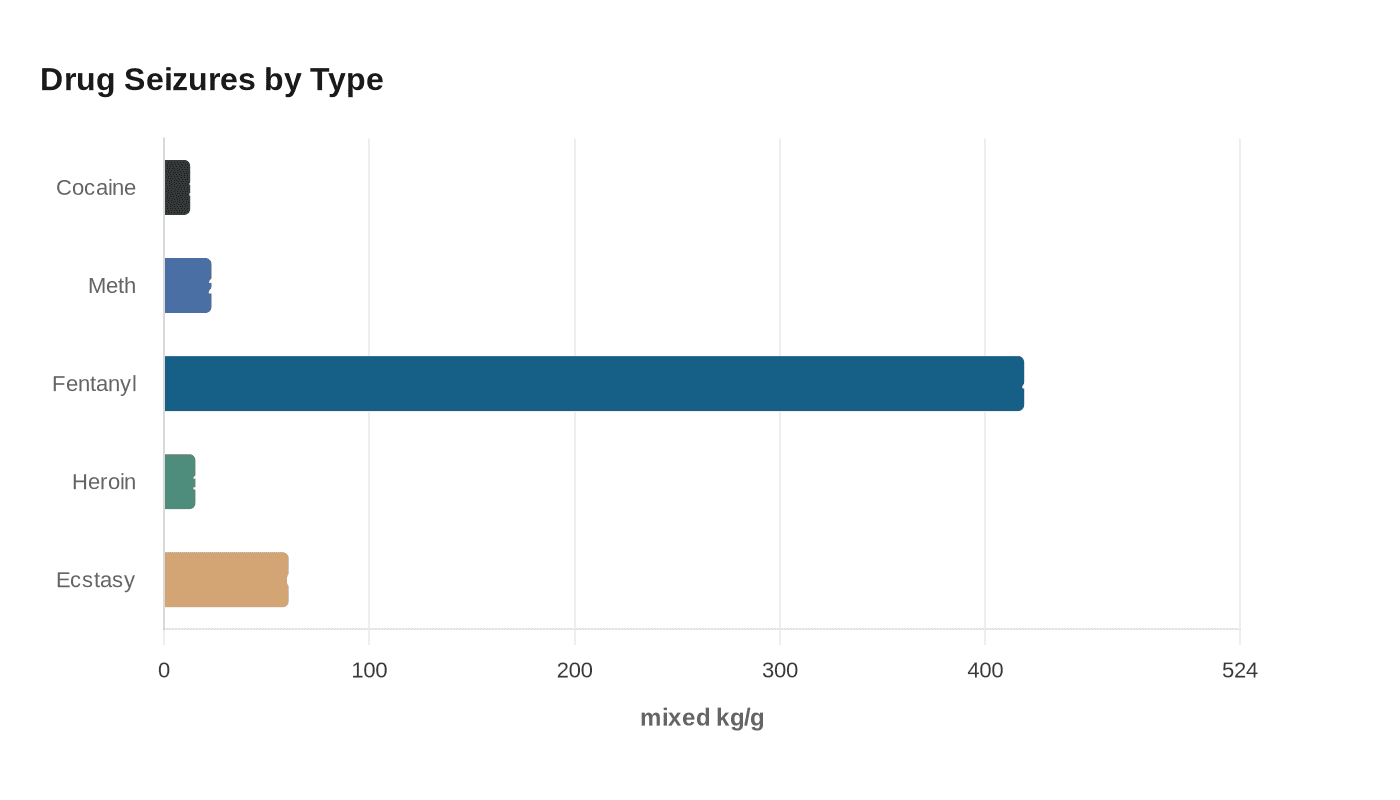
Denver Police credited Adele with helping investigators remove 12.748 kilograms of cocaine, 23.115 kilograms of methamphetamine, 418.893 grams of fentanyl, 15.286 kilograms of heroin and 60.699 grams of ecstasy over her service. Those totals make her impact easy to measure and hard to dismiss. This was not a ceremonial K9 post or a mascot role. Adele worked in a specialized detection job where nose, stamina and consistency translated directly into public safety.
The department said Adele also carried the off-duty personality that working-dog people recognize instantly. She likes swimming, blueberries, squeaky tennis balls, boating, family adventures, and time with her kitten and sister pup. That contrast is part of what makes a retirement story like this resonate: a dog that spent years in a high-pressure scentwork job still comes home as a happy, social dog, not a machine.
Adele’s career also fits the larger Denver canine system. The Denver Police Museum says the METRO/SWAT K-9 Unit uses patrol dogs for search and apprehension, along with drug and explosives detection, and that selection depends on character traits and physical attributes suited to the job. Denver’s Department of Public Safety oversees both the Denver Police Department and the Denver Sheriff Department, putting those canine teams inside the same citywide public-safety framework.
That structure matters because the work depends on more than instinct alone. A separate Denver Sheriff Department K9 retirement story said narcotics and contraband dogs there typically go through a 10-week training academy. The National Narcotic Detector Dog Association says canine teams are certified to federal, state or department standards, with those standards retained for courtroom testimony. For readers who follow working dogs, that is the real backbone of a career like Adele’s: training, certification and handler partnership that hold up under scrutiny.
Denver has seen other long-serving dogs honored recently, including K9 Bolo, a Denver Sheriff Department narcotics-and-contraband dog who retired in February 2026 after 9.5 years of service. Adele’s retirement lands in that same tradition, with one clear lesson for anyone who tracks high-drive dogs at work: when the job is matched to the dog, the results can reshape an entire city block by block.
This article was produced by Prism’s automated news system from verified source data, official records, and press releases, then run through automated quality and moderation checks before publishing. The system is built and supervised by the people who set the standards it runs under. Read our full AI policy.
Know something we missed? Have a correction or additional information?
Submit a Tip