Experts Debunk Alpha Theory, Linking Dog Reactivity to Poor Socialization
Alpha dominance theory is officially debunked: dog reactivity stems from poor socialization, not pack hierarchy battles, according to certified service dog experts.
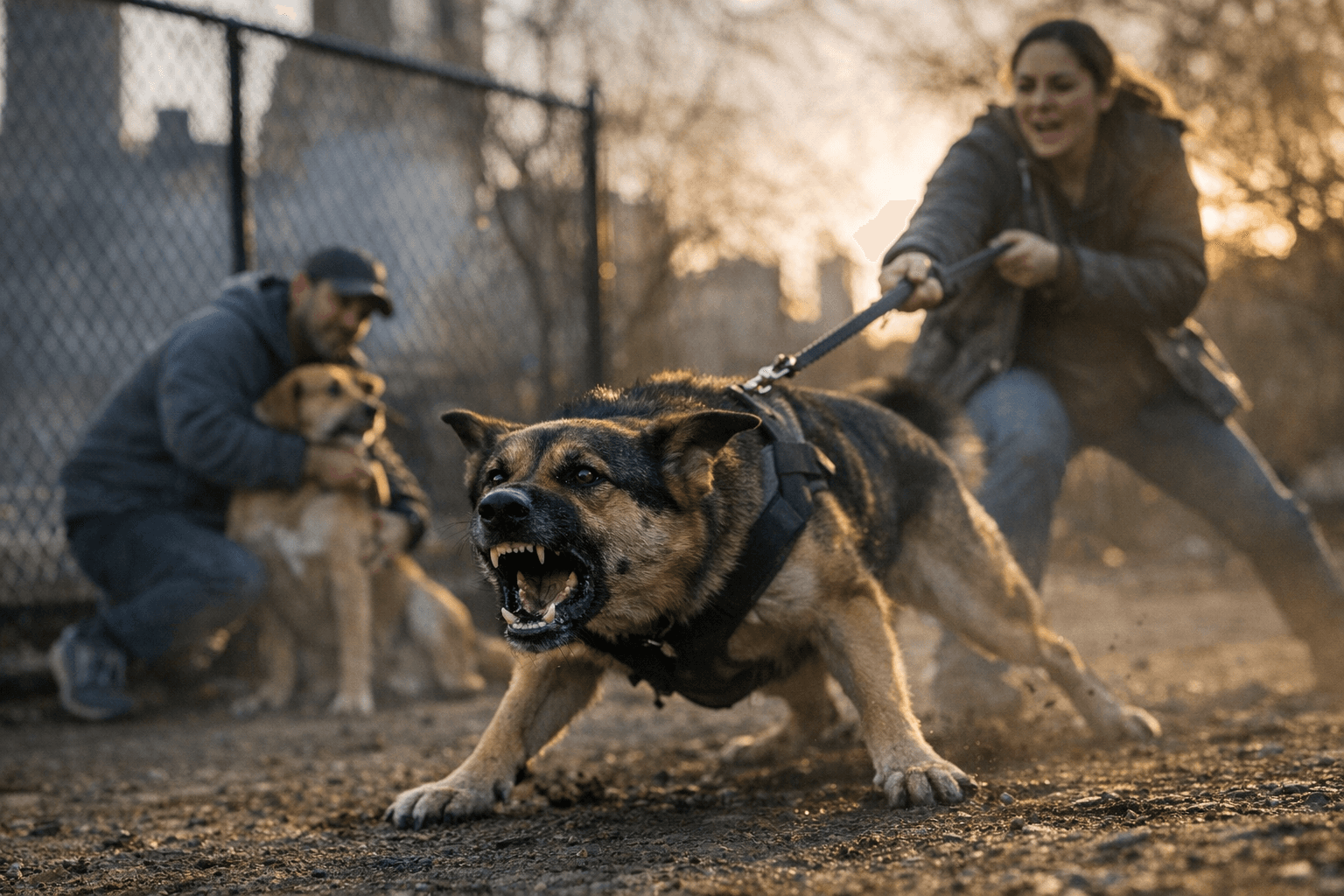
The "alpha" framing that shaped a generation of dog training has been called out as junk science by a high-engagement certified service dog account, and the explanation hits differently when you've got a reactive dog lunging at every passing Lab on your morning walk.
The core argument: reactivity in dogs isn't a power struggle. It's a socialization gap. The certified service dog account, which has built significant followership around evidence-based training, made the case clearly that dominance theory, the idea that dogs are constantly angling to outrank you in some imagined pack hierarchy, has been thoroughly debunked by modern behavioral science. Dogs aren't scheming to be alpha. They're reacting to a world they were never properly introduced to.
This reframe matters practically. If you've been responding to your dog's reactivity with corrections designed to assert your dominance, you've been solving the wrong problem. The socialization deficit model points the intervention in a completely different direction: gradual, positive exposure rather than punishment for the symptom.
Modern training built on this foundation emphasizes three things working together: cooperation, clear rules, and positive reinforcement. That combination, not physical dominance cues or rank-based corrections, is what behavioral science actually supports for managing dogs with high arousal and reactive tendencies. For owners of hyperenergetic dogs who've cycled through prong collars, leash pops, and "be the pack leader" YouTube rabbit holes, that's a significant course correction.
The socialization window is the detail worth sitting with. Reactivity most often traces back to insufficient exposure during a dog's early developmental stages, meaning the behavior that looks aggressive or dominant on leash is usually fear or overstimulation in a poorly habituated nervous system. That's a training problem with a training solution, not a rank problem requiring dominance-based fixes.
The certified service dog community has been applying these principles operationally for years; service dog programs can't afford to run on outdated behavioral models when task reliability is on the line. That their public-facing accounts are now pushing this message into mainstream dog ownership conversations signals how far the science has moved from the Cesar Millan era of dominance-first thinking.
Know something we missed? Have a correction or additional information?
Submit a Tip