How to calm dogs before fireworks and summer storms
Fireworks and storms can tip a hyper dog from uneasy to bolting fast. The safest plan starts before the first boom, with exercise, confinement, sound cover, and current ID.
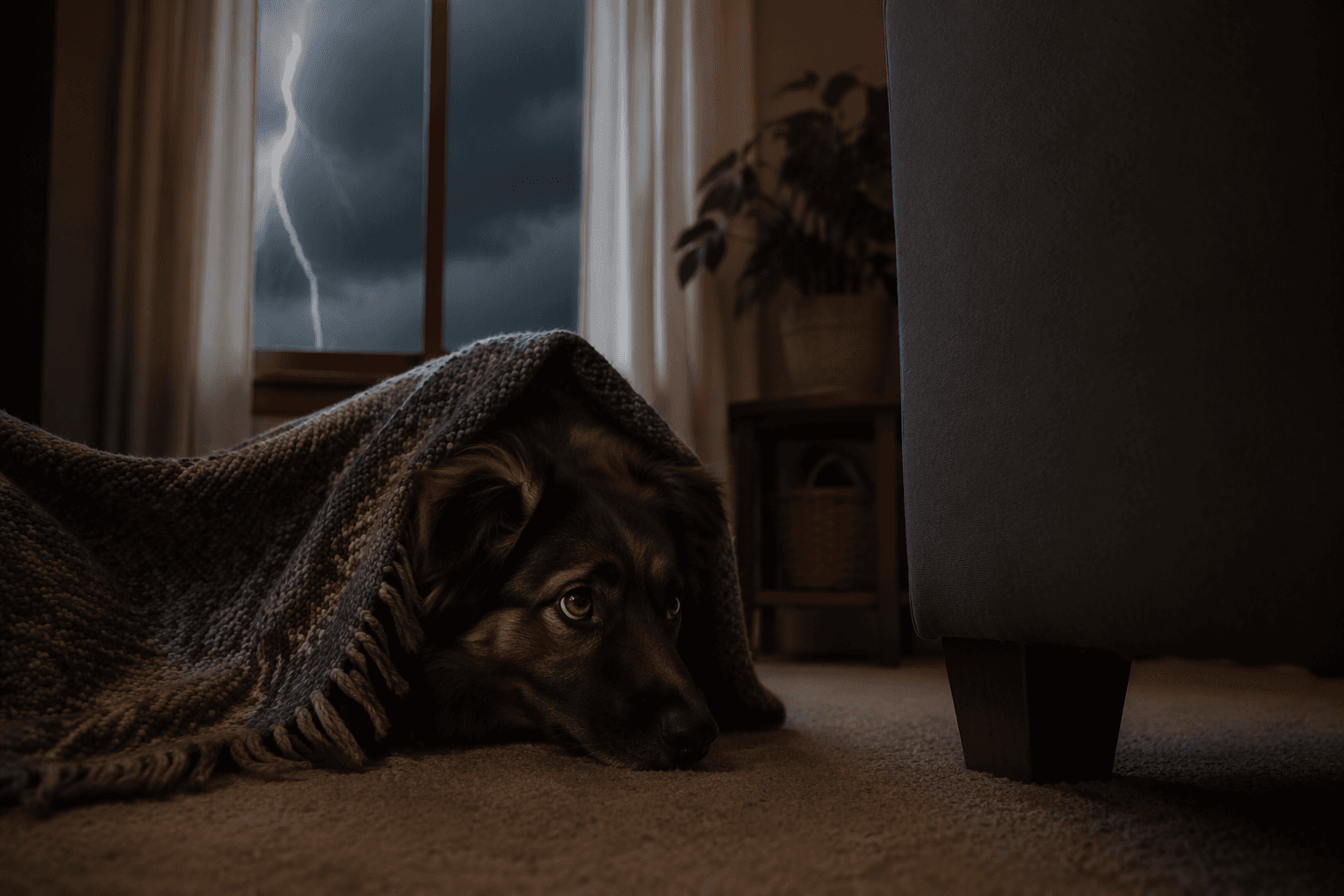
Fireworks and summer storms do not just startle hyper dogs, they can flip them into a full-body panic that ends in bolting, barrier-busting, or injury. The American Veterinary Medical Association puts the Fourth of July at the top of the year for missing pets and shelter admissions, which is why waiting until the noise begins is too late.
Why the panic starts before the boom
A frightened dog often reads the weather long before people do. Storm fear can begin before the first thunderclap because dogs notice barometric pressure changes, wind, ozone, low-frequency vibrations, and other environmental cues that humans miss. That is why some dogs pace, pant, hide, or cling to people when the sky darkens, even if the storm still feels distant to everyone else.
The same pattern shows up with fireworks. Noise aversion is an intense fear or anxiety response to loud or unexpected noises, and the American Animal Hospital Association warns that the problem can worsen over time without intervention. Common triggers include thunderstorms, fireworks, gunshots, vacuum cleaners, and alarm clocks, which means a dog that is already keyed up can be primed for a bigger reaction when the sky cracks open or the neighborhood starts popping.
Set up the day before the sky turns loud
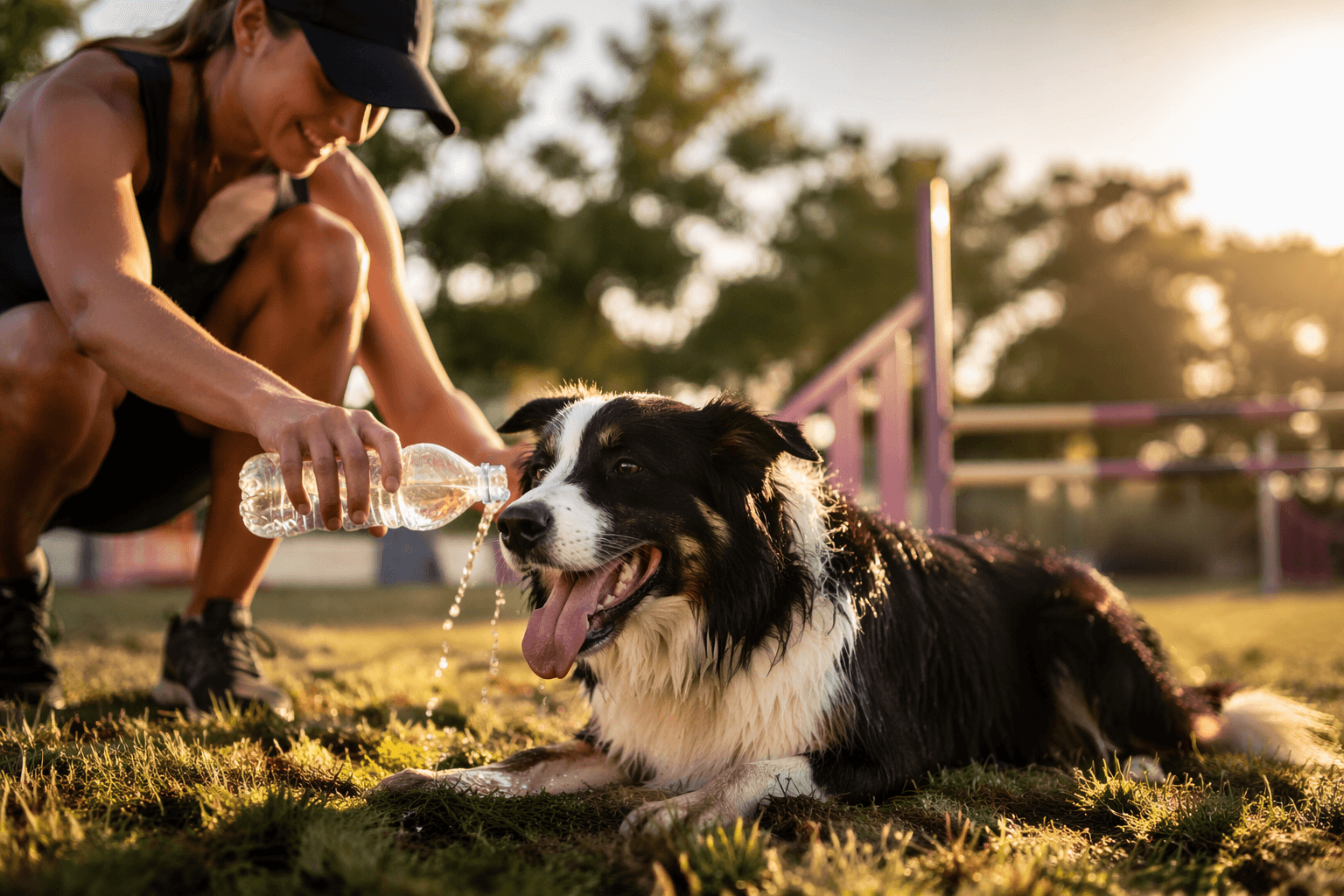
The best prevention timeline starts earlier in the day, before the forecast, the party, or the first sparkler. Give your dog a real outlet for energy while the house is still calm, then shift the evening into quiet, predictable mode. Changing routines in advance matters because it prevents the classic mistake of trying to improvise a plan once the noise has already hit.
If a fireworks show or thunderstorm is expected, bring the dog inside before the event starts and do not leave the dog outdoors hoping it will “ride it out.” Keep pets at home in an escape-proof room or crate during parties and fireworks; that advice fits hyper dogs especially well, because a startled dog can move faster than a handler can react. AVMA president Michael Q. Bailey has called the holiday one of the busiest times for emergency hospitals and shelters because pets may bolt after hearing fireworks.
Build the retreat before the first crack
A safe room works best when it is already familiar. Pick the space in advance, make it secure, and think like a dog that may be trying to flee, push, jump, or dig its way out. A crate can be part of that setup if your dog is comfortable in one, but the point is containment that does not depend on the dog making a good decision in the middle of panic.
Layer the room with sound cover, because the goal is not silence, it is reducing the sharp, unpredictable spikes that keep a dog on edge. White-noise machines, fans, or classical music can help blur the outside blasts; PetGuide includes them among the options for a low-stimulation room where the dog can settle.
Use comfort tools, but do not count on them alone
Anxiety wraps and pheromones can help some dogs take the edge off, especially when they are introduced before the panic begins. They are useful pieces of the setup, not a rescue plan by themselves. For a dog that already escalates quickly, comfort tools work best when they sit inside a larger routine of indoor confinement, sound buffering, and a calm handler.
When fear is strong or getting worse, Cornell University College of Veterinary Medicine recommends speaking with a veterinarian or getting a referral to a veterinary behaviorist. More extensive treatment, including medication and behavior modification, may be needed for fireworks and thunderstorm fear.
If medication is part of the plan, test it on a calm day
Any anti-anxiety medication prescribed for noise events should be trialed on a calm day first, and it should be given early enough to work before the noise starts. A medication that has not been tested, or that is given after the dog is already panicking, leaves you guessing when you need certainty.
Veterinary behavior experts use both behavior modification and medication regularly for fireworks and thunderstorm phobias. At least 30 percent of one clinician’s summer caseload involved dogs with noise aversion.
Lock down the escape routes
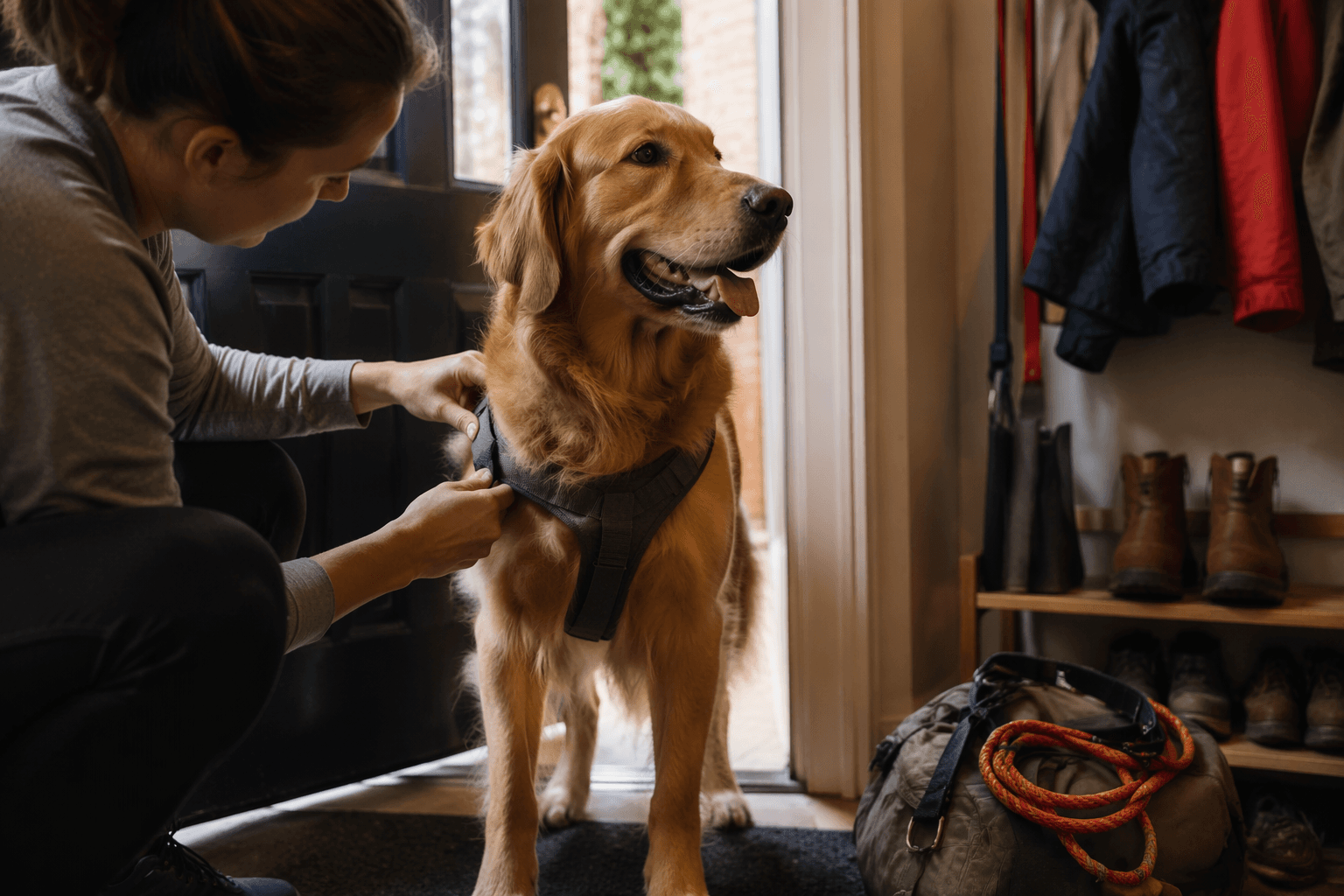
A frightened dog can slip through the smallest gap in a routine. Keep collars on and ID tags current, because if a blast or storm startles your dog into flight, identification is what turns a missing-pet emergency into a findable one.
Do not assume leash control will hold if your dog has a history of bolting. Pets can pull free, run, and end up at emergency clinics or in shelters after a sudden scare. That is why the safest setup is layered, with indoor containment, updated ID, and a plan that assumes the dog may try to escape the second the noise changes.
The calm plan has to be ready before the storm arrives
By the time the first firework pops or the wind shifts, the work should already be done. The dog should be inside, the retreat should be set, the white noise should be on, and the escape routes should be closed off.
This article was produced by Prism’s automated news system from verified source data, official records, and press releases, then run through automated quality and moderation checks before publishing. The system is built and supervised by the people who set the standards it runs under. Read our full AI policy.
Did this article answer your question?