AKC warns dog heatstroke can turn deadly in minutes
High-drive dogs do not know when to quit, which is why heatstroke sneaks up so fast. If panting turns frantic or balance goes, stop the session and cool first.
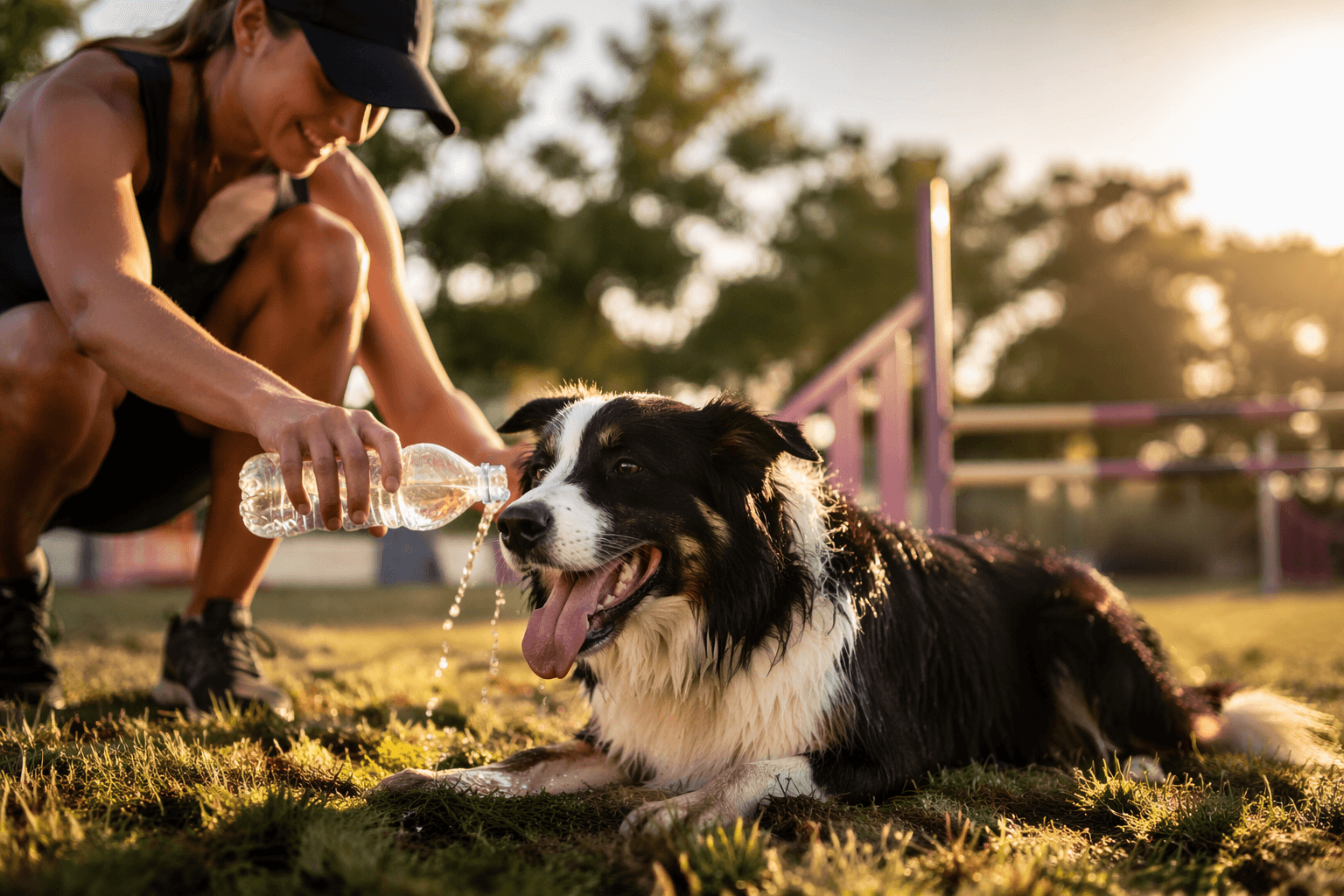
Heatstroke can develop in minutes and turn fatal just as fast, especially in humid weather or inside a hot, confined space like an unventilated car. The dogs most likely to overheat are often the ones you trust most to keep going. A high-drive Lab, Malinois, sport mix, or fetch-obsessed mutt can push straight past the moment play turns dangerous, especially in humid weather or inside a hot, confined space like an unventilated car. Once panting stops doing the job, you are not dealing with a tired dog anymore, you are dealing with a medical emergency.
Why humidity is the silent troublemaker
Dogs do not have many ways to dump heat. They rely mostly on panting, with some help from blood vessel expansion and a little sweating through the paw pads, so the whole cooling system depends on moving air and evaporation. That is why humidity is such a problem: the air is already loaded with moisture, so panting becomes less effective, and a 2024 AVMA journal study found that dogs’ ability to lower core temperature is reduced in environments above 35 percent humidity. In working dogs, that drive to keep going can override the body’s warning signals, which is exactly how a hot run turns into heat injury or heatstroke.
The shift from still playing to an emergency
The first signs are easy to shrug off if you have a dog who always runs hot with excitement: heavy panting, rapid breathing, excessive drooling, bright red gums and tongue, hot skin, a fast heart rate, dry mucous membranes, sudden hyperactivity, and trouble keeping balance. When the condition worsens, the picture gets uglier fast, with pale or bluish gums, low blood pressure and shock, tremors, disorientation, uncontrolled urination or defecation, collapse, or coma. Merck’s veterinary reference is clear here: heatstroke is not a true fever, and body temperature can climb to 106°F, 41.1°C, or higher.
The dogs that deserve the most caution are the ones owners tend to underestimate because they look fit. Puppies, senior dogs, overweight dogs, dogs with underlying health problems, short-snouted breeds, and dogs with hypothyroidism, cardiac disease, or laryngeal paralysis face added risk. Brachycephalic dogs, overweight pets, very young dogs, seniors, and medically fragile pets simply cannot cool efficiently when the heat rises. Even a dog that looks better after a quick cool-down can still be in trouble because internal damage may not show up right away, and a 2015 hospitalized-dog study followed 30 dogs with environmental or exertional heatstroke.
When to cancel the run, hike, or fetch session
If you want a simple cutoff for hyperenergetic dogs, use the weather, not your optimism. AAHA advises considering heatstroke anytime the temperature is above 80°F or humidity is high, and checking the heat index, not just the thermometer. Do not walk, run, or hike during the hottest part of the day or on particularly warm days. The 2024 JAVMA work on working dogs shows why that advice matters most for dogs with big engines and no self-braking instinct.
Schedule outdoor activity for early morning or late evening, take frequent breaks, bring enough water for both of you, and do not start a conditioning session if there is no shade or airflow. Never leave a pet in a parked car, even in the shade or with windows cracked, and CDC warns that the temperature inside a car can rise almost 20 degrees Fahrenheit in the first 10 minutes. If the pavement feels too hot for the back of your hand, it is too hot for paws.
What to do the second you suspect heatstroke
1. Stop the activity immediately and get the dog out of the heat.
Do not “finish the last rep” or try to walk it off. Act quickly to lower the dog’s body temperature to a safe level. Heat stress or heatstroke is an emergency that needs immediate veterinary consultation.
2. Start cooling right away with cool water, not delay.
Immediately immerse the dog in cool water and seek emergency veterinary assistance, and AVMA journal research shows that prompt whole-body cooling by caregivers is crucial to survival. A 2024 JAVMA study found that controlled head immersion in 22°C water produced rapid cooling, while also reinforcing the practical rule that cooling comes first.
3. Do not use ice baths or extreme cold.
Ice baths or severe cold can cause dangerous body-temperature swings, and prevention guidance points owners toward shade, ventilation, water, and air conditioning instead. If you have a cooperative, mentally appropriate dog that can still pause panting, the working-dog literature suggests that controlled cooling methods can help, but the immediate goal is still to bring body temperature down fast and safely.
4. Head to the vet even if the dog perks up.
A dog may appear to recover after cooling down and still need veterinary care because internal damage is not always visible, and the hospitalized-dog study makes that risk concrete. Heat stress and heatstroke should trigger immediate veterinary attention, not a wait-and-see approach.
This article was produced by Prism’s automated news system from verified source data, official records, and press releases, then run through automated quality and moderation checks before publishing. The system is built and supervised by the people who set the standards it runs under. Read our full AI policy.
Did this article answer your question?