How to train hyperenergetic dogs like athletes safely
The fix for wired dogs is not more chaos, but better prep: short warm-ups, simple strength work, and cool-downs that cut injury risk and post-run mayhem.
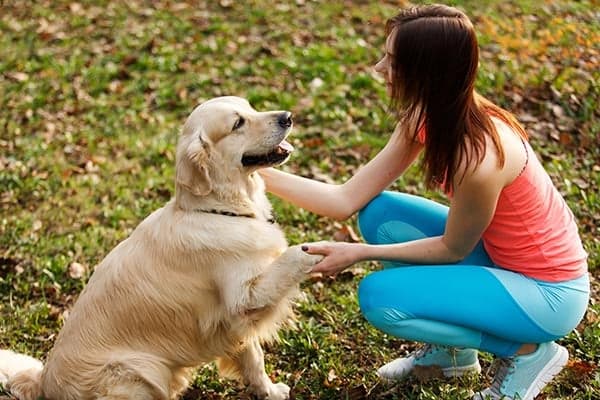
The dog that looks bored at the door is often the one most likely to overdo it once the leash clips on. If your dog runs hot, the answer is not endless fetch or another mile of frantic chasing, it is a body plan: brief prep, purposeful work, and recovery that leaves less wreckage behind.
Why hyperenergetic dogs need training, not just tiring out
Canine conditioning can build and maintain muscle mass, improve body awareness and balance, and give a dog both a physical and mental workout. AKC applies that guidance to sporting dogs, but it also matters for bored dogs, puppies, and seniors, as long as a veterinarian clears the plan first.
Start any fitness plan with veterinary approval so the routine matches the dog’s age, health, and physical condition, and AKC built that logic into FIT DOG titles at Bronze, Silver, and Gold levels.
The warm-up that keeps the hard work from turning sloppy
CARE sports-medicine guidance warns against throwing a dog straight into the fun part. Warm-ups and cool-downs are often skipped, but that is exactly when poor performance and injury risk go up, whether the dog is training, competing, running, or exploding into an intense play session in the yard. The same rule applies to ordinary house dogs, not just formal athletes.
For dogs with arthritis, the warm-up matters even more. Tight, weak, sore muscles are easier to injure, and the older idea of heavily restricting exercise has been pushed aside because it can lead to weight gain, stiffer joints, muscle loss, and declining function. A better plan is controlled, low-impact movement that gets the body ready before the dog asks it to do real work.
A practical warm-up does not have to be elaborate. Think in this order: a short low-intensity movement phase, one or two easy body-control drills, then the main activity. That can be as simple as a few minutes of easy walking, a couple of sit-to-stand repetitions, or a brief sequence that wakes up the hips and shoulders before the dog starts sprinting, jumping, or pulling.
Strength work that fits into real life
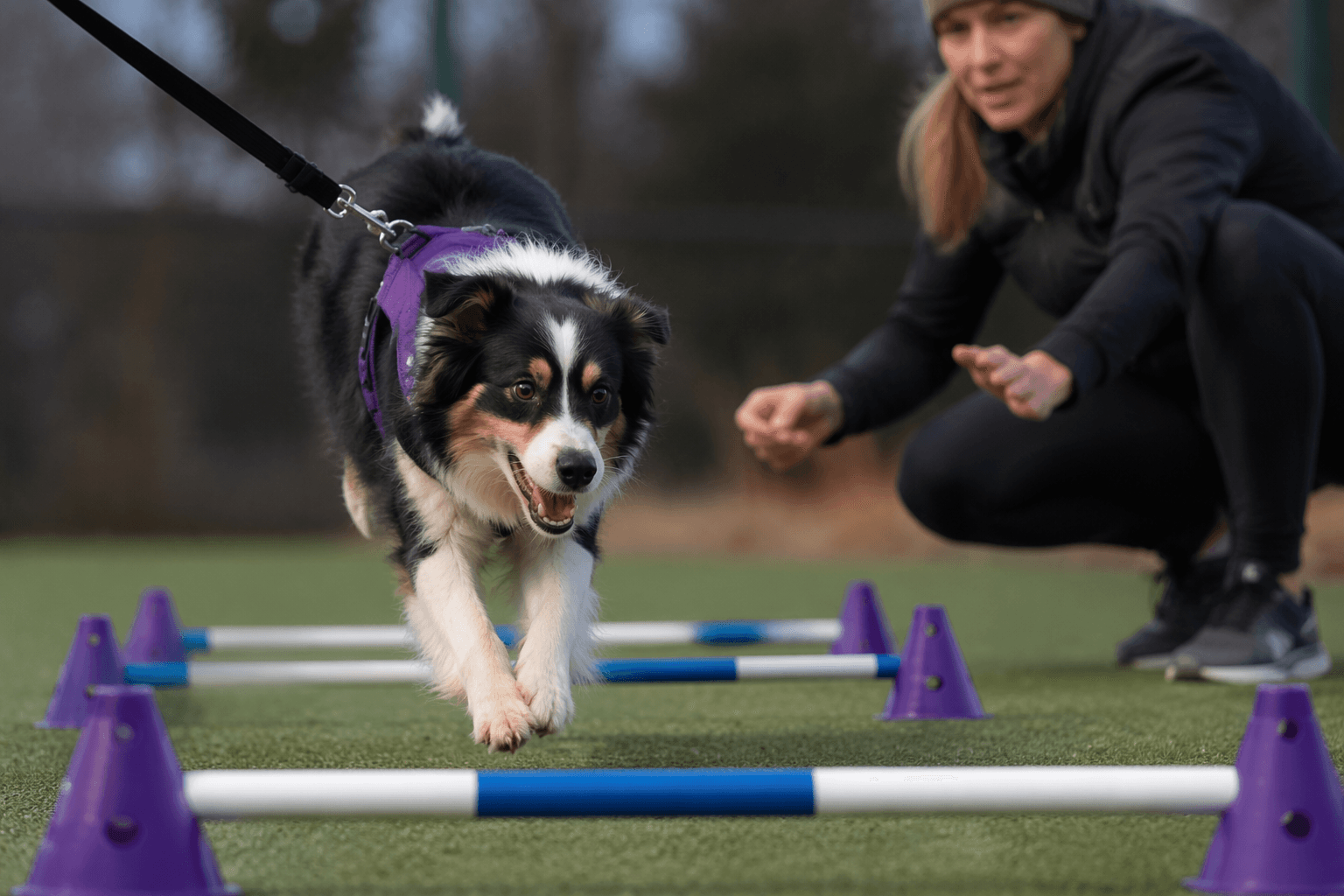
AKC’s at-home drills build strength without turning every session into a circus. Puppy push-ups, which move the dog from sit to down and back again, or from stand to down and back to stand, build control without needing special equipment. AKC also suggests teaching a stretch on cue by capturing a natural stretch after a nap, which is a clean way to turn a normal behavior into a useful reset.
The key pitfall is trying to make puppies do too much too soon. AKC warns that puppies should not be jumping or doing extended balancing until their bones are finished developing, and dogs with significant arthritis may also need to avoid certain movements. That is where owners get into trouble by copying adult-athlete work onto immature or fragile bodies and calling it conditioning.
If your dog is all motor and no brakes, one or two simple drills are enough to start. A few controlled repetitions before the main activity teach the dog that movement is a job, not a frenzy.
Build the session like an athlete
The most useful template is simple: warm up, perform one or two strength-and-balance drills, do the main activity, then cool down. That structure gives the dog a job and keeps the work sustainable, which is a lot cleaner than the classic weekend warrior pattern, where the dog is inactive most of the week and then suddenly goes full speed.
Texas A&M Veterinary Medicine recommends rehabilitation for geriatric and severely compromised patients because it allows exercise with less weight-bearing stress on the joints. Sporting and working dogs also benefit from off-season and preseason conditioning.
Roughly 35% to 40% of adult dogs are overweight to obese, while obesity affects about 59% of dogs in the United States. Excess weight makes orthopedic problems worse, and a JAVMA study found that even about 11% weight loss produced clinical benefit in dogs with osteoarthritis.
Why recovery is part of the workout
Dogs are generally better at keeping warm than cooling down. Merck Veterinary Manual attributes that to the fact that they do not sweat like humans and depend on panting. That makes the cool-down more than a nice extra, especially after hard exercise or in warm weather.
AVMA research on exercise-induced hyperthermia found that a trained voluntary head dunk can rapidly cool dogs in situations where the dog is mentally able to participate and pause panting.
What all of this prevents
A long-term dog cohort showed radiographic hip osteoarthritis rising from 15% at age 2 to 67% by age 14. ACVS links infraspinatus muscle contracture most often to vigorous activity in highly athletic dogs and to a possible lack of prior conditioning.
This article was produced by Prism’s automated news system from verified source data, official records, and press releases, then run through automated quality and moderation checks before publishing. The system is built and supervised by the people who set the standards it runs under. Read our full AI policy.
Did this article answer your question?