Kennel Club guide helps hyperactive dogs learn calmer walks
The Kennel Club’s walking advice treats leash time like training, helping hyperactive dogs practice shorter, calmer outings instead of a tug-of-war.
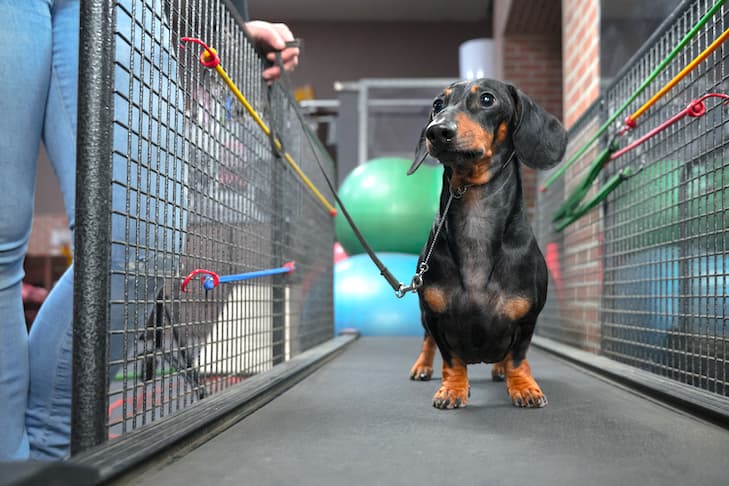
A calm walk starts before the leash tightens at the door. The Royal Kennel Club treats walking and lead manners as teachable skills, not a one-time chore, and that shift matters most for hyperenergetic dogs that tend to charge every outing with too much excitement. When you use a walk to lower arousal instead of chase mileage, you come home with a dog that is more settled, not more wired.
Walks as a teachable skill
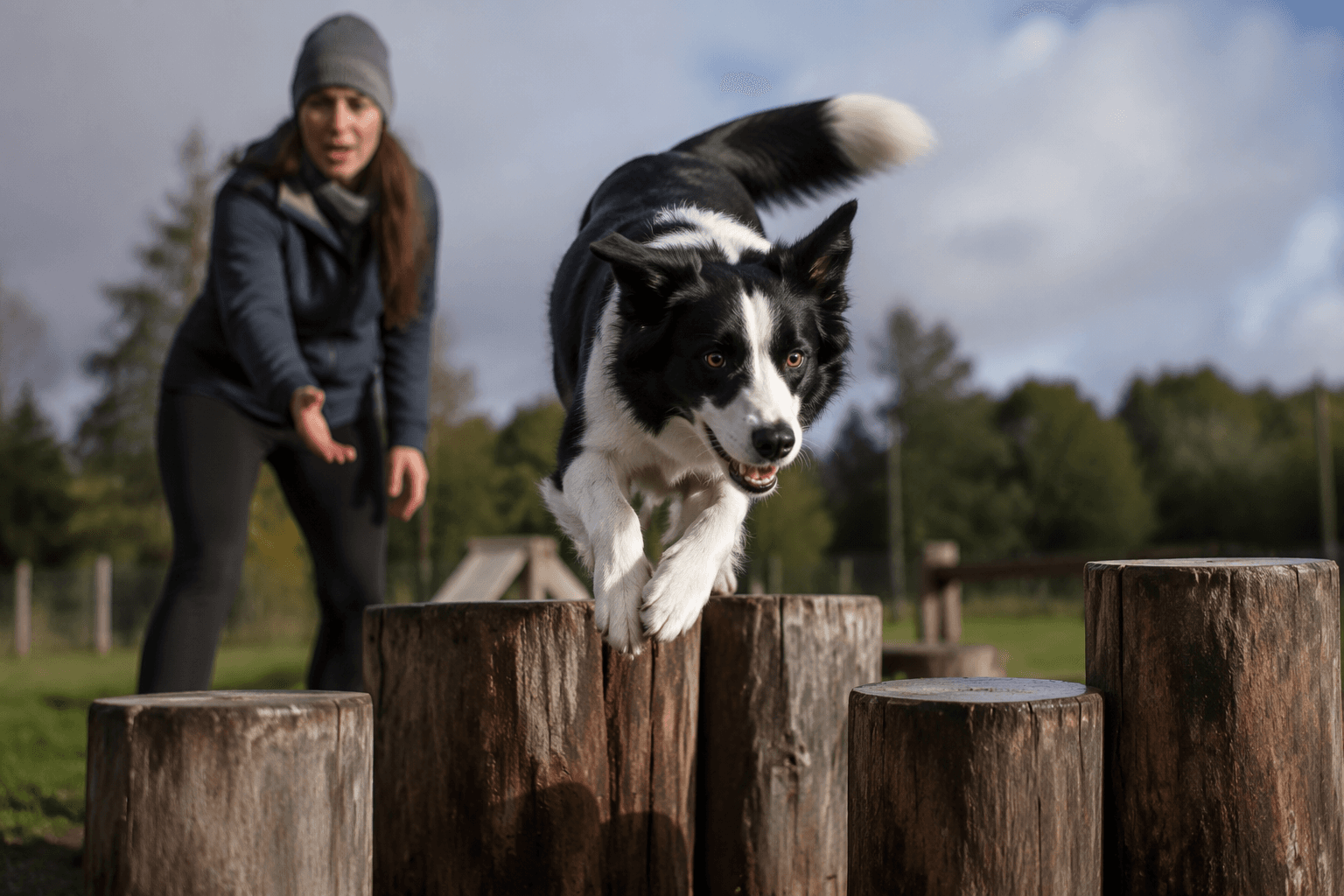
The Royal Kennel Club keeps one page for Puppy and dog walking tips and another for collar and lead training, which is a useful clue about how the whole topic is meant to work. Walking is not separated from training, because the same leash that carries a dog down the street also teaches pacing, attention, and self-control. For a busy dog, that turns the outing into practice for living in the world, not just a chance to burn energy.
That framework lines up with the wider welfare world. Battersea Dogs & Cats Home has a dedicated Train your dog to walk on a lead page, and the RSPCA offers advice on stopping pulling on the lead. The message across those resources is consistent: a decent walk is built, not improvised.
Start where your dog can stay under threshold
The American Kennel Club recommends beginning leash work in low-distraction places such as the home or garden before you add more challenging environments. That is exactly the right shape for a hyperactive dog, because the first victory is not distance, it is composure. If your dog can keep four feet on the ground and a loose leash in a quiet space, you have a real starting point for later walks in neighborhoods and parks.
Early sessions should feel almost too easy. Short, controlled outings give your dog a chance to notice the leash, follow you, and recover from small distractions without tipping into the spin cycle that often comes with busy routes. When the outing stays manageable, the dog learns that motion can be steady and boring in a good way.
Let age set the distance
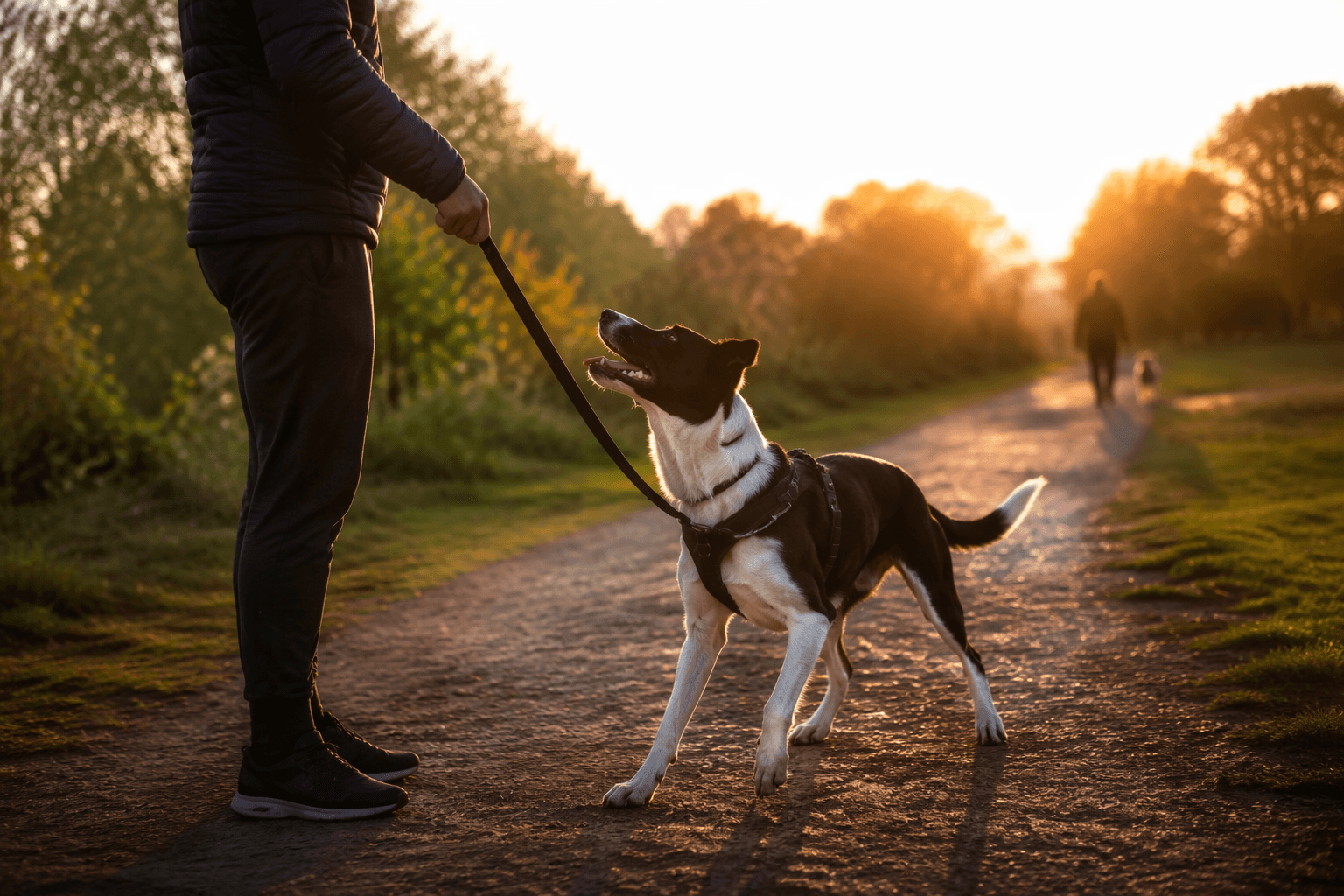
The Freedom Service Dogs puppy exercise chart is a useful reality check for anyone tempted to solve intensity with longer and longer walks. For 8 to 12 week-old puppies, it recommends sustained and continuous walking of just 50 to 200 feet at a time, with gradual increases as the puppy matures. By 16 weeks, that rises to 100 to 200 feet, and by 6 months, 200 to 400 feet.
That kind of staged progression matters because a dog does not need a marathon to learn how to regulate itself. Hyperenergetic dogs often do better with better-structured walks, not bigger ones, especially when the goal is to end the outing calmer than you started it. The chart’s logic is simple: let the body catch up to the brain, and let both mature at a pace the dog can handle.
Build the walk around lower arousal
Once the basics are in place, the walk becomes less about covering ground and more about keeping the dog in a workable state. Lower-trigger routes, fewer surprises, and plenty of chances to reset the leash can help a dog stay below that overstimulated edge where pulling starts to snowball. Sniff breaks fit neatly into that approach, because sniffing slows the tempo and gives the dog a job that is calming instead of explosive.
A practical walk for a hyperactive dog often looks like this:
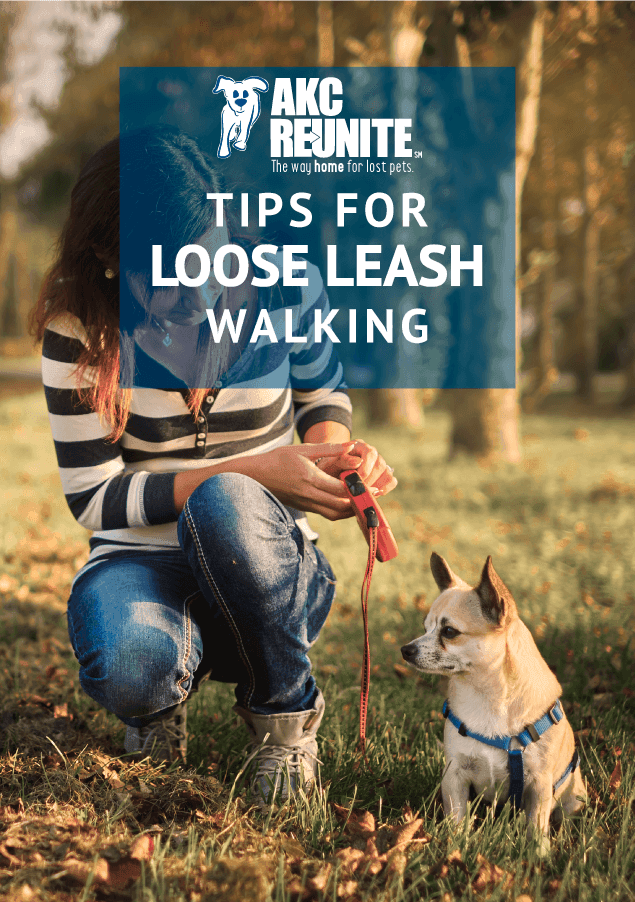
- Start in the home or garden where distractions are low.
- Keep the first outing short enough that success is still easy.
- Choose a route that avoids packed corners, noisy bottlenecks, and other trigger-heavy moments.
- Pause for sniffing when your dog is able to settle, then move on before the excitement climbs again.
- Reset the leash when pulling starts, rather than marching through the chaos.
These small choices change the emotional shape of the outing. A dog that gets to practice stopping, orienting, and starting again is learning the same skill set that lead-training pages keep returning to: attention under motion.
Why pulling is a training issue, not a personality trait
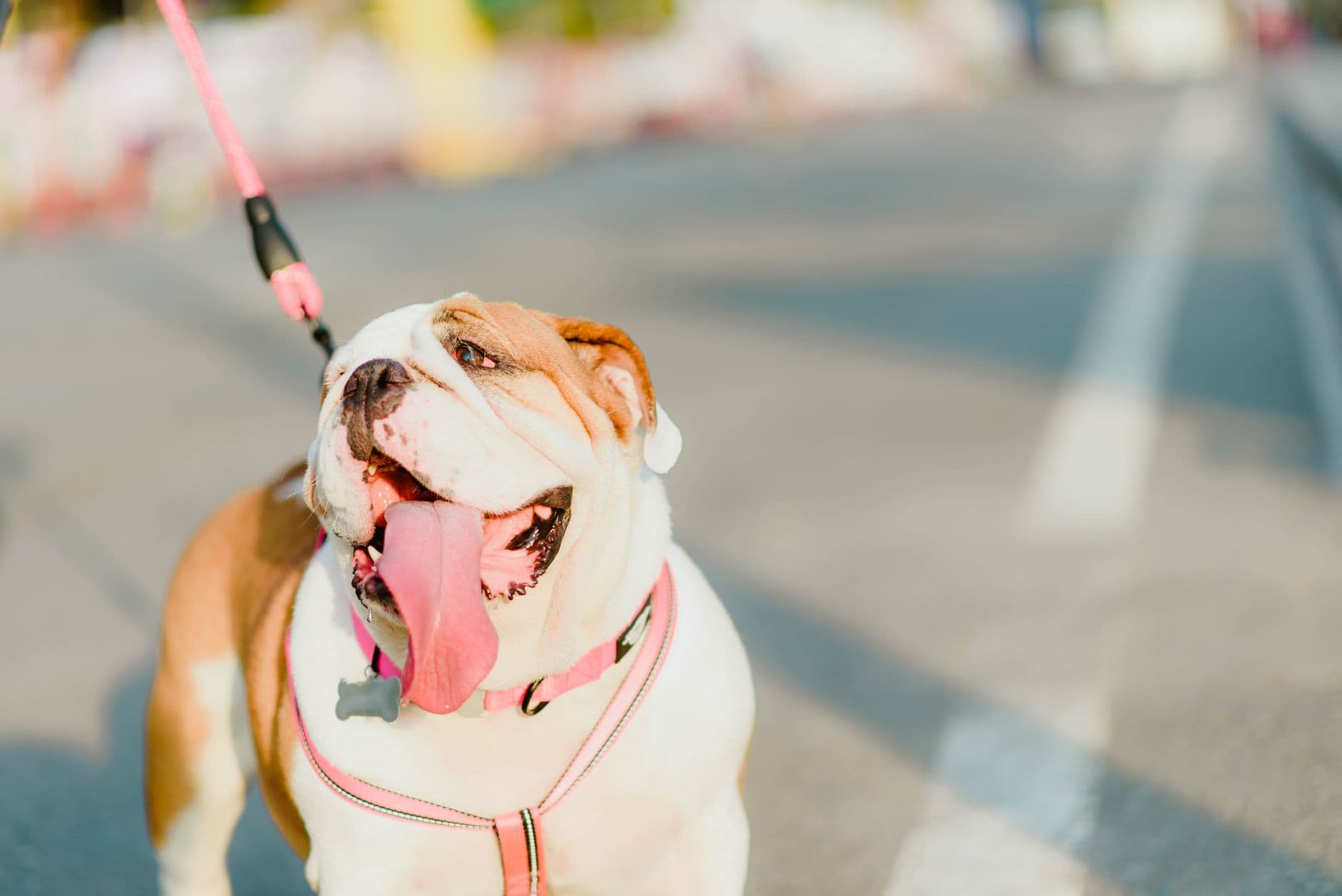
The RSPCA’s lead-pulling guidance and Battersea’s walking advice both point to the same truth: pulling is something you manage and teach through repetition, not something you accept as fixed. That is especially important with high-octane dogs, because the leash can become a feedback loop. The harder the dog surges, the more amped up the body gets, and the less likely the dog is to return to a calm pace on its own.
Treating the walk as a skill session helps break that loop. The Royal Kennel Club’s split between general walking tips and specific collar-and-lead training makes sense here, because the dog needs both the route and the mechanics to work together. If the lead is part of the lesson, then every calm step counts as a rep.
Keep exercise and mental work tied together
The American Kennel Club is blunt about what dogs need: physical exercise and mental stimulation, not just long walks. That matters for hyperenergetic dogs because a structured walk can do both at once. The body moves, but the brain also has to track the handler, process the environment, and make good choices in real time.
That is why calmer walks are often more tiring than chaotic ones. A dog that is working through a loose leash, a sniff stop, and a shorter route is spending energy on control, not just speed. When you end the outing before the dog boils over, you teach the strongest lesson of all: the best walk is the one that brings your dog home steadier than it left.
This article was produced by Prism’s automated news system from verified source data, official records, and press releases, then run through automated quality and moderation checks before publishing. The system is built and supervised by the people who set the standards it runs under. Read our full AI policy.
Did this article answer your question?