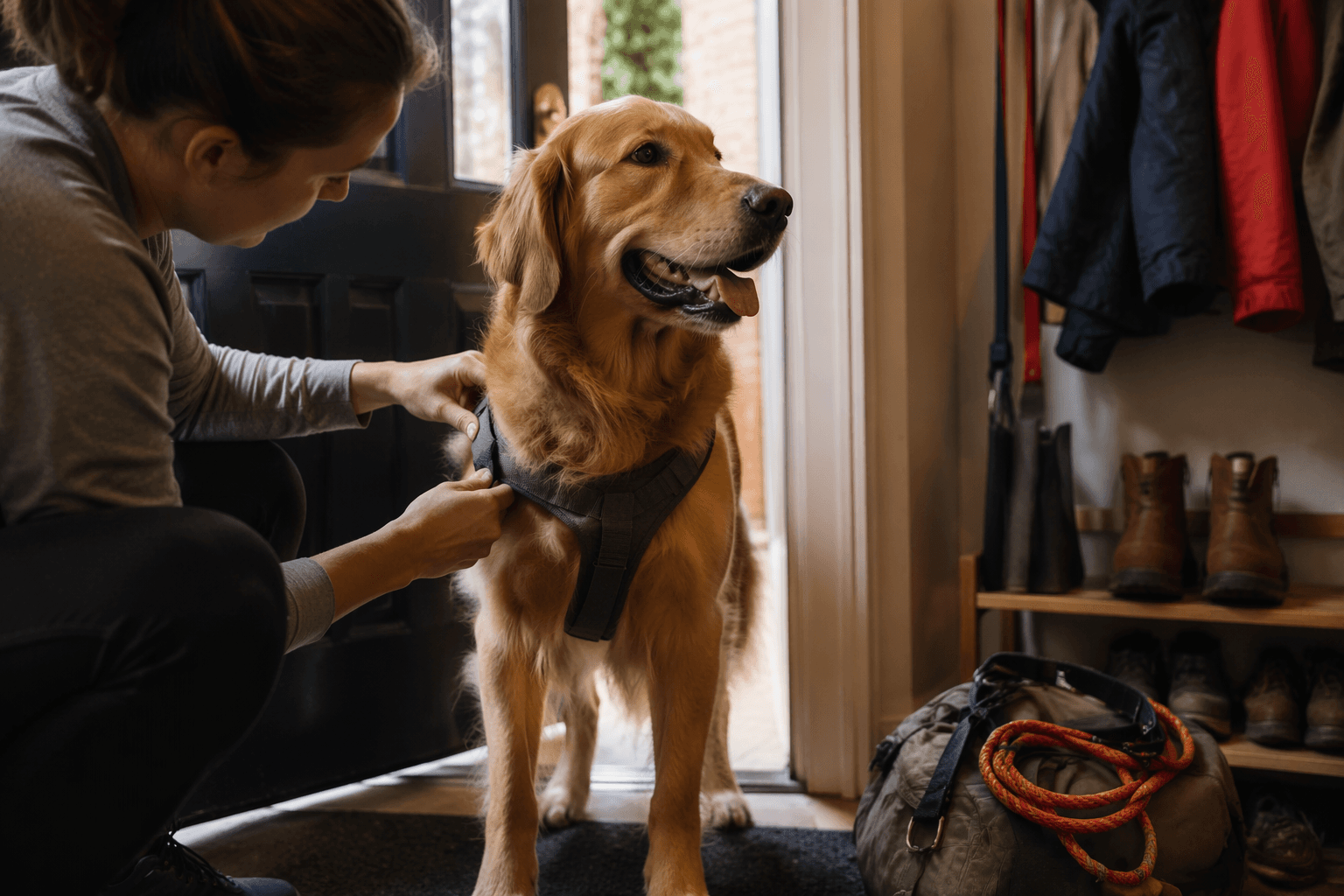
National Canine Fitness Month Targets Obesity, Builds Strength in Active Dogs
84% of dog owners rate their pet's body condition as healthy, yet 59% of U.S. dogs are overweight or obese. National Canine Fitness Month is targeting that gap.

Nearly 6 in 10 American dogs are overweight or obese, yet only 17% of owners acknowledge the problem. That recognition gap, documented in back-to-back surveys by the Association for Pet Obesity Prevention, is the driving force behind National Canine Fitness Month, now in its tenth year since FitPaws® and National Day Calendar® co-founded the initiative in 2017.
The numbers behind the campaign are harder to dismiss than ever. A 2024 peer-reviewed study drawing on records from approximately 4.9 million U.S. dogs found that 50.1% of mature dogs were overweight and 12.6% were clinically obese. For owners of high-drive dogs, the urgency is compounded by injury data: a 2021 study published in the Journal of the American Veterinary Medical Association, surveying owners of 4,701 agility dogs, found that 41.7% experienced injuries serious enough to sideline them for more than one week. A decade earlier, that figure was 32%. The most frequent sites of damage were the shoulder region, affecting 30.1% of injured dogs, and the iliopsoas muscle, at 19.4%.
FitPaws anchors its April push around a four-tool bundle designed for exactly these vulnerabilities: the Balance Ramp for hind-limb strength, the K9 FitMat for neural stimulation, the K9FitBone for core stability, and FitKinect, the company's modular conditioning system launched in September 2025. FitKinect is designed to be reconfigured as a dog's fitness level improves, and its blue-and-yellow color scheme is not arbitrary: those shades fall within the range of colors thought to be most visible to dogs.
A WFLA Daytime segment that aired April 2 in Tampa highlighted a starter regimen of five minutes of focused daily training, an entry point FitPaws frames as achievable regardless of schedule. The company builds its tools specifically for canine biomechanics rather than adapting human fitness equipment, a distinction it has emphasized throughout its decade-plus in the space. Canine rehabilitation professionals who use the equipment have noted it "has proven to increase balance, develop the core and enabled me to target specific muscle groups that each individual dog needs, in order to reduce the risk of injury."
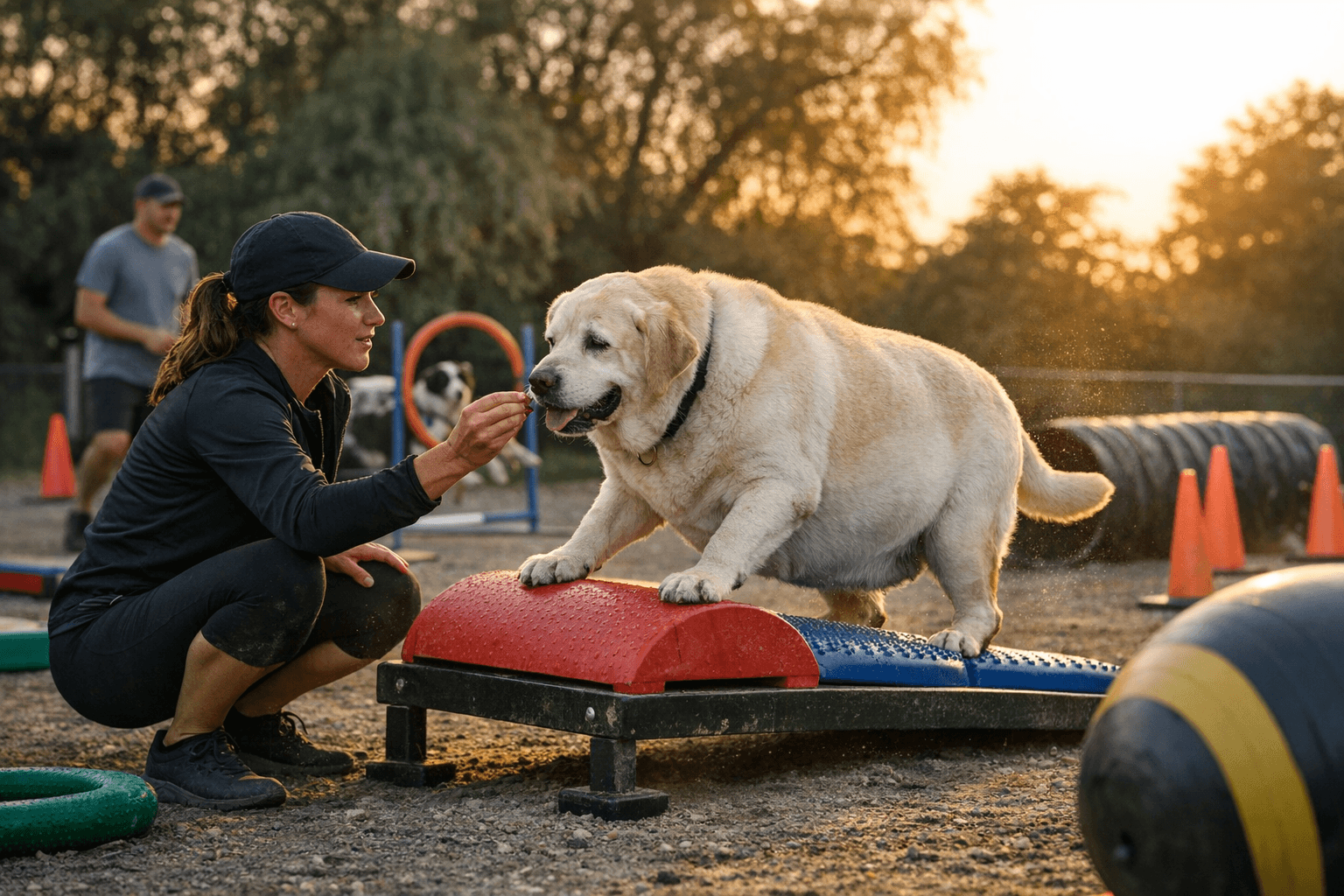
For the breeds that populate this community, whether Pointers, Huskies, Fox Terriers, or the German Shepherds documented to require one to two hours of rigorous daily exercise, the consequences of unmet physical demands go beyond fitness scores. PAWS.org links insufficient exercise in high-energy dogs directly to destructive behavior, anxiety, and aggression. Structured conditioning, not just free play, is the difference between a dog that channels its drive and one that redirects it into whatever is closest.
Owners starting new regimens are advised to get veterinary clearance first, particularly for senior dogs or those with known orthopedic issues, and to monitor progress through duration, ease of movement, and any signs of soreness after sessions. Trainers and club organizers have the full month to run clinics and demo events around the tools and techniques the initiative promotes. Given that the gap between what owners perceive and what the data shows has been widening, not narrowing, since 2017, the timing is anything but ceremonial.
This article was produced by Prism’s automated news system from verified source data, official records, and press releases, then run through automated quality and moderation checks before publishing. The system is built and supervised by the people who set the standards it runs under. Read our full AI policy.
Did this article answer your question?