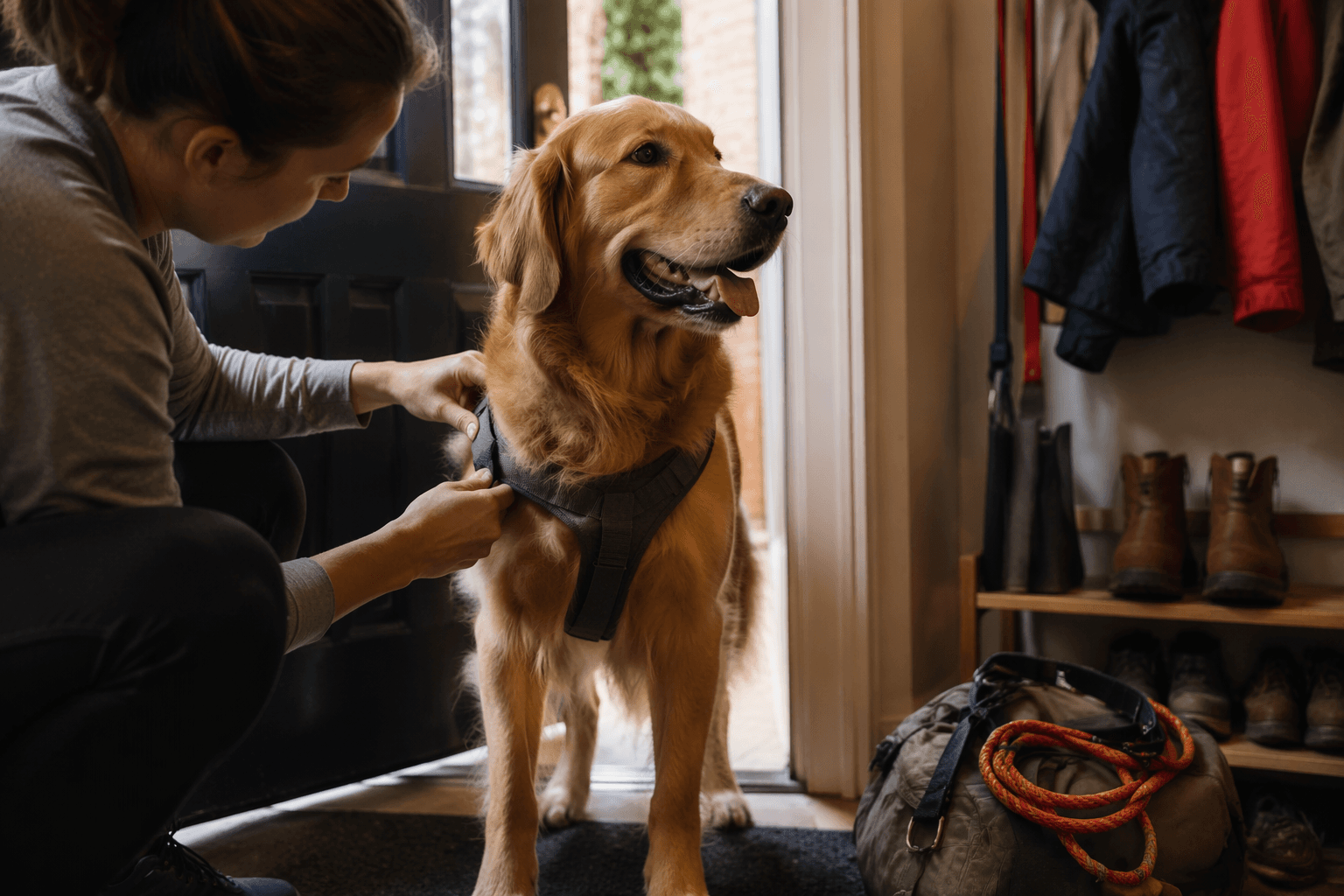
Pet Partners, Baxter Foundation Partner to Bring Therapy Dogs to 100,000 Patients
Izzy named her dog Baxter after the chemo pump that kept her alive. That bond now fuels a two-year pilot targeting 100,000 patients across three U.S. regions.

Izzy was a young cancer patient when she adopted a dog and named him Baxter, after the infusion pump supporting her chemotherapy. That connection, between a child coping with treatment and a dog who gave her something to hold onto, is now driving what the Baxter Foundation called the largest single investment from a corporate foundation in therapy animal programs across the United States.
Pet Partners and the Baxter Foundation announced on March 25 a two-year pilot to scale therapy-animal visits to 100,000 patients and healthcare workers. The initiative deploys first in three regions: Northern California, Upstate New York, and Greater Chicago. It funds training, program deployment, and rigorous outcome evaluation, building the infrastructure that most healthcare facilities currently lack to sustain animal-assisted visits at scale.
Stacey Eisen, Baxter's chief communications officer and president of the Baxter Foundation, said the collaboration was "inspired by the story of a young patient named Izzy who welcomed a dog into her life during her cancer treatment and named him Baxter, after the Baxter infusion pump that supported her chemotherapy." The impact stayed with her: "Hearing how much comfort Baxter [the dog] brought Izzy and her family was a powerful reminder of how healing the human-animal bond can be during incredibly challenging moments."
The science backs what Izzy's family already knew. Research found that even brief, five-minute therapy dog visits lowered stress, anxiety, and cortisol levels in healthcare workers. For patients, interactions with therapy animals led to lower pain ratings and reduced symptoms of anxiety and depression.
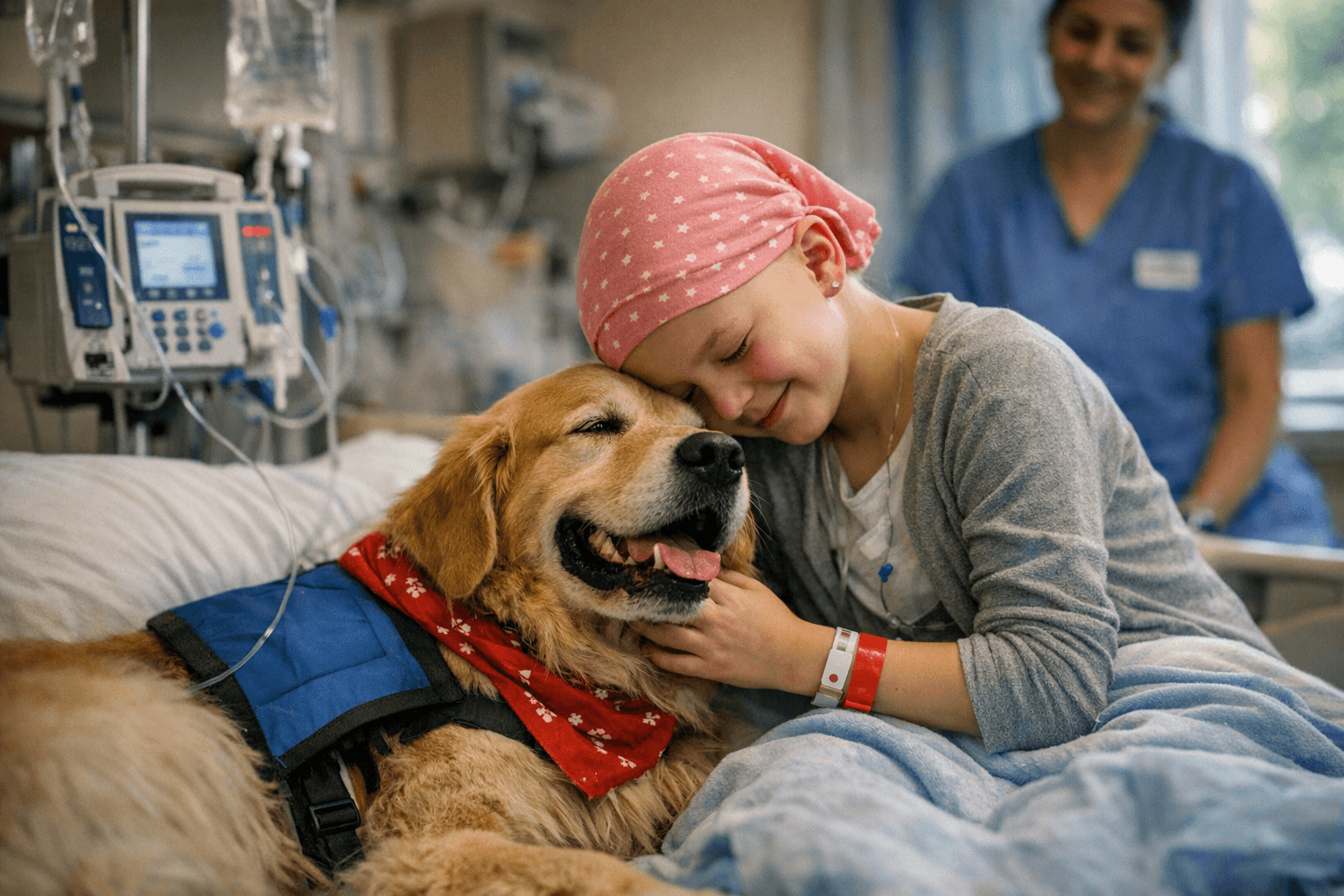
For owners of high-drive dogs, that's a meaningful opening. The dogs who demand a second walk before breakfast and treat every stranger as a potential best friend are not disqualified from therapy work by their energy; they're often the ones who make the strongest impression in a clinical room. What Pet Partners certification demands is not calmness at baseline, it's reliability under pressure: controlled greetings, settled behavior around medical equipment, and a handler who reads the dog well enough to redirect before a situation escalates.
Getting started means registering as a Pet Partners handler, completing their online training course, and scheduling a team evaluation that assesses both the dog's temperament and the handler's technique. Vaccination records and a current veterinary health screening are required before any visits. Most certified teams commit to one or two visits per week, typically 45 to 60 minutes inside a clinical setting.
The initial two-year pilot is officially underway. With 100,000 beneficiaries targeted and three metro regions standing up first, the demand for qualified handler-dog teams will be real. Owners with a dog that lives for human contact and has the training foundation to back it up should check Pet Partners' current onboarding calendar now, not after the first cohort fills. Izzy's Baxter didn't need a certification. The next one does.
This article was produced by Prism’s automated news system from verified source data, official records, and press releases, then run through automated quality and moderation checks before publishing. The system is built and supervised by the people who set the standards it runs under. Read our full AI policy.
Did this article answer your question?