Study finds hyperactivity in dogs linked to breed, age and solitude
A Helsinki study of 11,000 dogs found hyperactivity, impulsivity and inattention rose in young males and dogs left alone, with breed differences pointing to genetics.

A University of Helsinki-led study in Translational Psychiatry tested more than 11,000 Finnish pet dogs for hyperactivity, impulsivity and inattention, and found those traits were more common in young dogs, male dogs and dogs that spent more time alone at home. The findings matter because they treat extreme energy and poor focus as measurable behavioral traits, not just nuisance habits.
The 2021 paper used an owner-filled questionnaire adapted from human ADHD research, giving the team a structured way to measure dog behavior rather than rely on casual impressions. The researchers, including Hannes Lohi’s Helsinki canine gene research group, also found clear breed differences, pointing to a substantial genetic component. In other words, some dogs are wired for higher drive in ways that training alone does not explain.
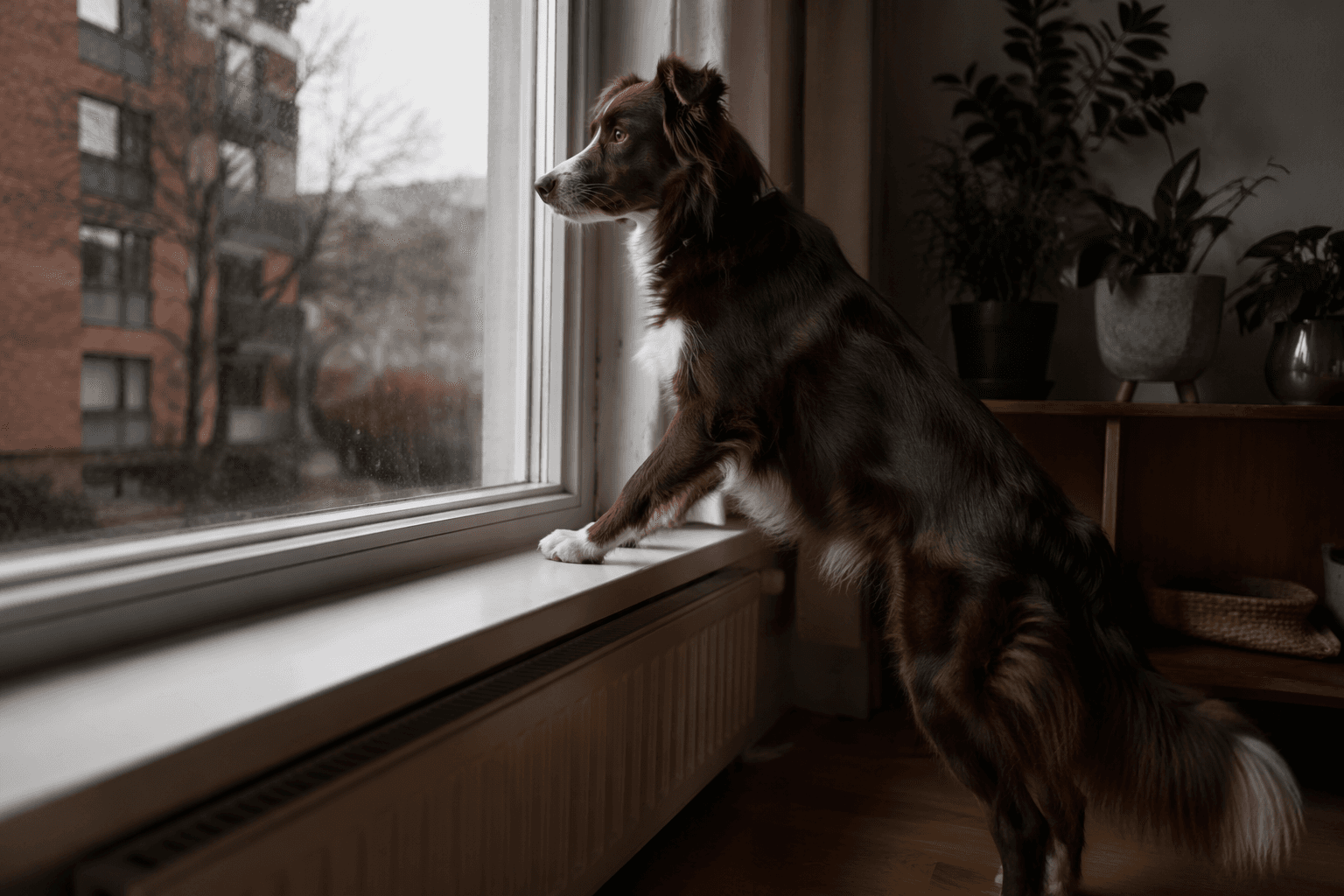
The study goes further than a simple high-energy label. Dogs with stronger hyperactivity and inattention scores also showed more compulsive behavior, aggressiveness and fearfulness. That combination is the clearest warning sign in the paper: when a dog is not just busy, but also impulsive, hard to settle, reactive or repetitive in its actions, the pattern starts to look broader than a classic exercise problem.
Solitude stood out as another risk factor. Dogs that spent more time alone at home were more likely to be hyperactive, impulsive and inattentive, and the University of Helsinki summary linked that pattern to frustration, stress and less exercise or attention. The paper also noted that these traits were more common in dogs owned by people who were not first-time dog owners, showing that the home environment and owner history can track with behavior as much as the dog’s age or sex.
For owners, the practical value is in knowing what to flag. A dog that cannot relax, jumps from one stimulus to the next, acts compulsively, or seems fearful as well as frantic deserves a conversation with a veterinarian or behavior professional, especially if the dog is young, male or left alone for long stretches. The study does not say every energetic dog has ADHD-like traits, and it does not replace training. It does justify asking whether the real issue is stimulation, isolation, genetics or a mix of all three.
That is the shift this Helsinki work brings: stop treating every hyper dog as simply unruly, and start reading the pattern. In this study, breed, age and solitude did not just describe the dog. They helped explain why the behavior was there in the first place.
This article was produced by Prism’s automated news system from verified source data, official records, and press releases, then run through automated quality and moderation checks before publishing. The system is built and supervised by the people who set the standards it runs under. Read our full AI policy.
Did this article answer your question?