Sudden hyperactivity in senior dogs can signal pain or anxiety
A senior dog that suddenly cannot settle is sending a warning, not just acting quirky. Pain, anxiety, or canine cognitive dysfunction should move a vet visit to the top of the list.

When an older dog suddenly gets wired, treat it as a health clue
A senior dog that starts pacing, wandering, or refusing to settle is not automatically having a harmless burst of energy. In older dogs, sudden hyperactivity is often the first visible sign that something inside the body or brain is off, from pain and anxiety to cognitive decline, medication effects, or another medical problem.
That is why a sudden behavior shift in a senior dog should never be written off as “just old age.” The safer assumption is that the restlessness is a symptom until a veterinarian rules out a cause.
What sudden hyperactivity can point to
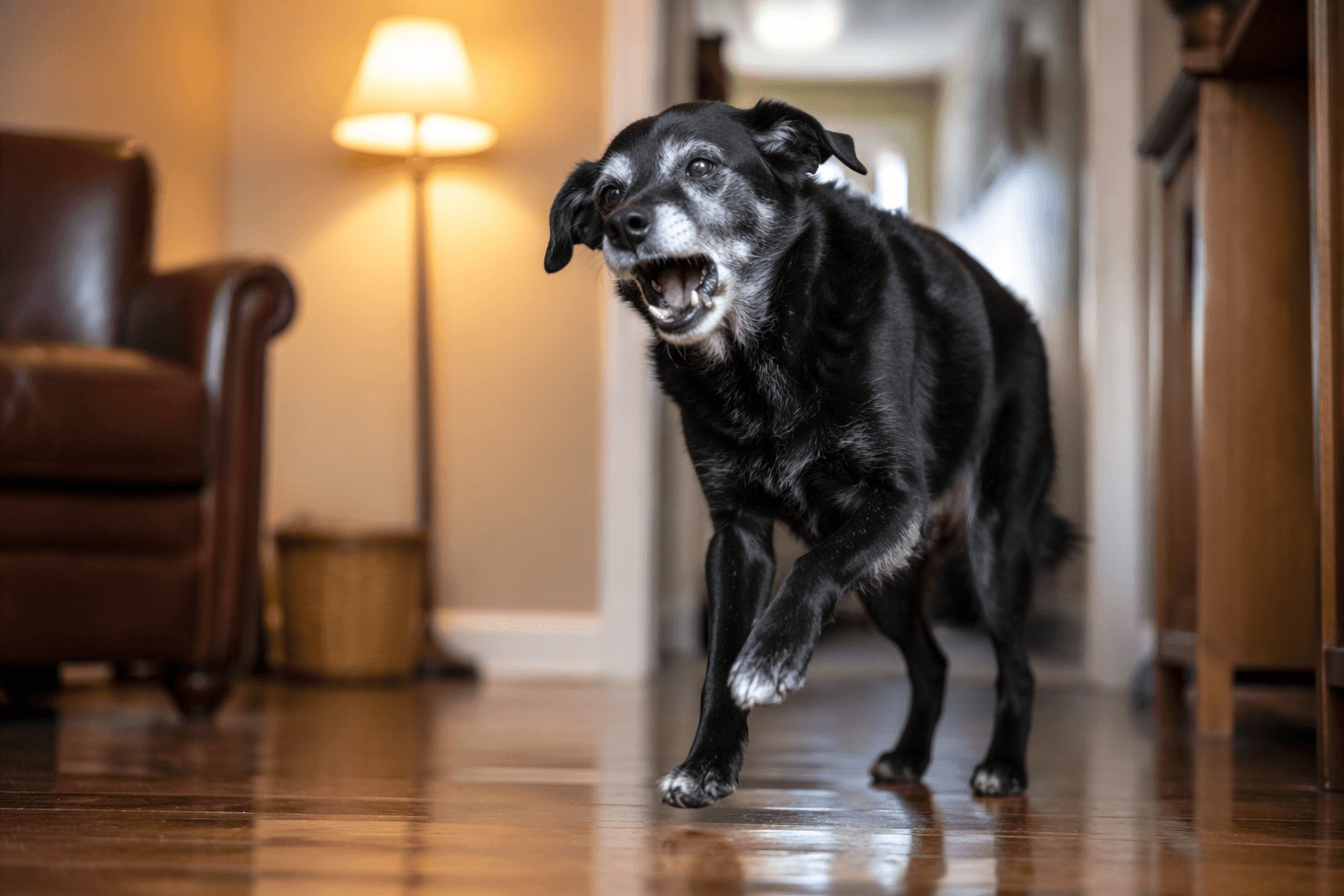
The most important thing to understand is that “hyperactive” in a senior dog usually does not mean healthy playfulness. It can look more like agitation: pacing, wandering from room to room, difficulty settling, or acting as if the dog cannot get comfortable. VCA Animal Hospitals lists pacing, wandering, difficulty settling, and altered sleep-wake cycles among the common signs of canine cognitive dysfunction, which is one of the major conditions behind this kind of change.
Pain is another major suspect. Dogs in discomfort often look restless rather than sleepy, especially if they are trying to reposition, get up and lie down repeatedly, or stay in motion because stillness hurts. Anxiety can produce the same kind of motion, turning an aging dog into a night watchman who paces, whines, or cannot relax even when nothing in the environment seems wrong.
Other possible causes include sensory loss, internal illness, hormonal imbalance, and side effects from medication. That last one matters because elderly pets can react differently to drugs, and VCA specifically warns that medication side effects deserve special caution when you are trying to treat anxiety or disturbed sleep in a senior dog.
The red flags that separate “watch closely” from “call the vet”
Some behavior changes are mild enough to monitor briefly, but sudden hyperactivity in an older dog deserves a low threshold for veterinary follow-up. The clearest red flags are the ones that show the dog is confused, uncomfortable, or losing normal sleep patterns.
- Nighttime pacing, whining, crying, or barking
- Difficulty settling after being up and about
- Wandering without purpose or seeming lost in familiar spaces
- Altered sleep-wake cycles, including sleeping more during the day and restlessness at night
- House soiling after being reliable before
- Memory issues, disorientation, or confusion
- Anxiety, irritability, or a sudden mood shift
- Changes in appetite, balance, or overall daily routine
Watch especially for:
AKC notes that nighttime pacing, whining, crying, and barking can indicate confusion in senior dogs. When that behavior appears alongside sleep disruption, house soiling, or disorientation, it moves from “odd habit” to a stronger warning sign that needs a medical explanation.
Why canine cognitive dysfunction belongs on the list
A major condition behind these changes is canine cognitive dysfunction, often shortened to CCD or CCDS. Veterinarians compare it to human dementia or Alzheimer’s disease because the brain changes overlap, including amyloid accumulation and neuroinflammation. That comparison is not just theoretical; it helps explain why an older dog can look restless, anxious, or confused long before anyone thinks of a brain disorder.
The condition is also more common than many owners expect. One veterinary source summarized by AKC found that 28% of dogs age 11 to 12 show at least one sign of dog dementia, and that number rises to 68% in dogs 15 years and older. A 2025 veterinary review also says CCD is often underdiagnosed because there is no objective, reliable diagnostic tool. In plain terms, that means your eyes and your notes matter a lot.
If your senior dog is suddenly pacing at night, losing sleep, seeming unsettled in familiar rooms, or acting anxious without a clear trigger, CCD belongs high on the list of possibilities.
A simple vet-versus-monitor framework
The safest way to handle sudden hyperactivity in a senior dog is to decide based on pattern, not hope.
- The restlessness is new, sudden, or clearly different from your dog’s usual behavior
- It happens at night or repeatedly disrupts sleep
- It comes with pacing, wandering, confusion, barking, whining, or crying
- You notice house soiling, memory problems, disorientation, anxiety, or irritability
- Appetite, balance, or mood has changed along with the activity shift
- Your dog recently started a new medication or had a dose change
Call the vet promptly if:
VCA’s guidance is straightforward here: senior pets with behavioral changes should have a physical examination. That is the right next step because behavior changes can reflect medical disease as well as cognitive decline.
Monitoring makes sense only when the behavior is brief, clearly tied to an obvious momentary trigger, and your dog otherwise settles quickly and returns to normal. Even then, keep a close eye on how often it happens, when it happens, and whether sleep, appetite, or balance begin to change. If the restlessness repeats, grows more intense, or shifts to nighttime pacing, it stops being a minor quirk and becomes a reason to book the appointment.
What to bring to the appointment
A strong veterinary visit starts with details, not just the phrase “he’s acting weird.” Note when the hyperactivity started, whether it is worse at night, how long it lasts, and whether it shows up with pacing, vocalizing, confusion, or trouble settling. Also list any recent medication changes, because medication side effects can muddy the picture in older dogs.
That information helps a veterinarian sort pain from anxiety, cognitive decline from sensory loss, and medication effects from a broader internal illness. The goal is not just to label the behavior, but to find the cause before the restlessness becomes the new normal.
When an older dog suddenly cannot settle, the message is usually not “more exercise.” It is a signal to look deeper, move quickly, and treat the behavior as the health warning it often is.
This article was produced by Prism’s automated news system from verified source data, official records, and press releases, then run through automated quality and moderation checks before publishing. The system is built and supervised by the people who set the standards it runs under. Read our full AI policy.
Know something we missed? Have a correction or additional information?
Submit a Tip