Arctic Blast Guide: Protect Homes, Prevent Frostbite, Pause Polar Plunges
An Arctic blast hit parts of New England, bringing dangerously low wind chills and prompting urgent home-safety steps to prevent frostbite, hypothermia, and property damage.
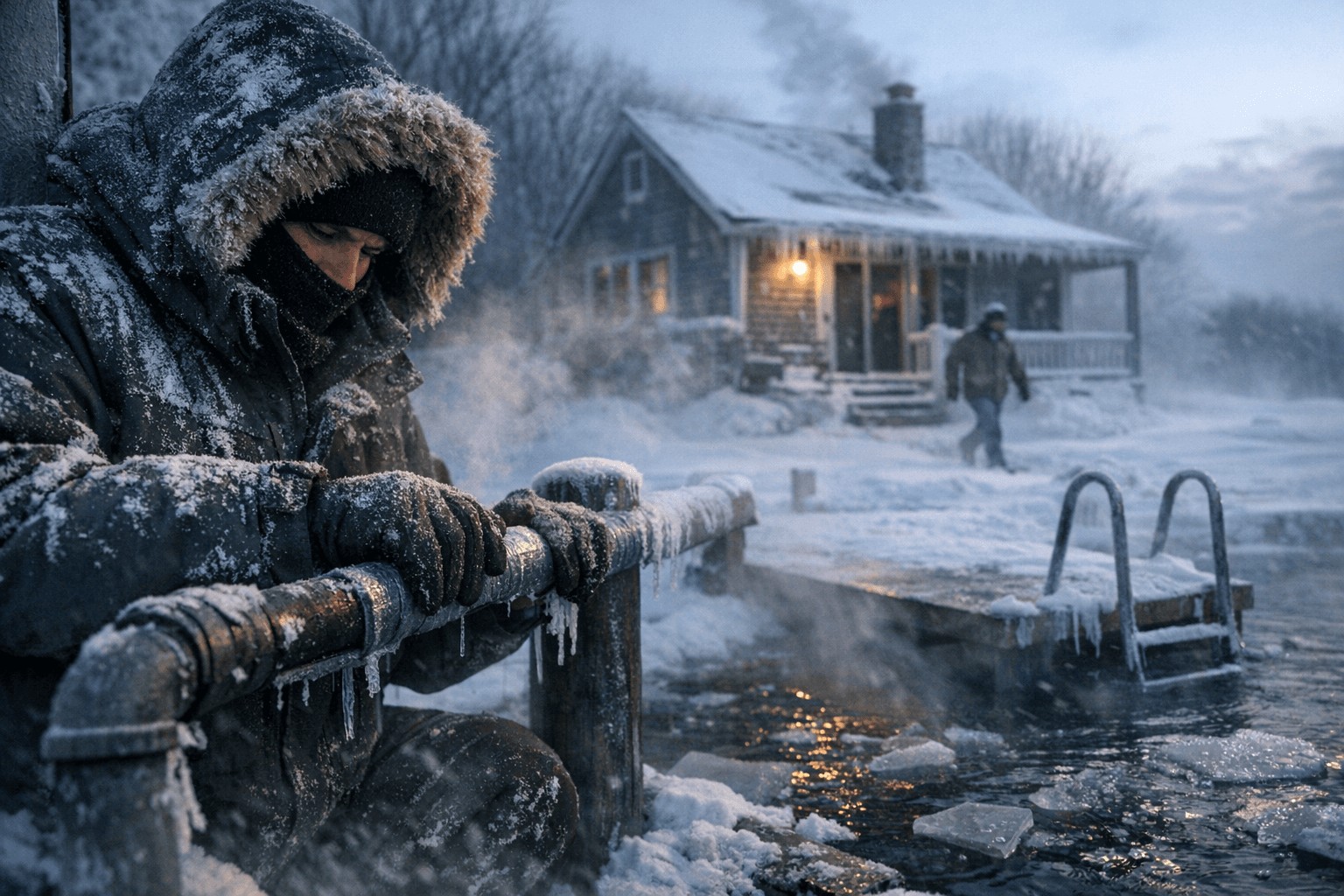
An Arctic blast swept across parts of New England, producing dangerously low wind chills and putting both homes and cold-exposure communities at risk. The immediate hazards are twofold: health risks from prolonged outdoor exposure, including frostbite and hypothermia, and property damage tied to freezing temperatures - especially vulnerable water pipes and heating systems.
Homeowners should keep household heat at a safe minimum and avoid shutting systems off entirely during the cold snap. Maintaining baseline heat reduces the likelihood of frozen or burst pipes and keeps interior surfaces within safer temperature ranges. Insulate exposed plumbing where possible, checking basements, crawl spaces, attics, and exterior walls for vulnerable piping. Monitor weather alerts and local advisories closely; forecasts that extend subfreezing conditions increase the chance of prolonged indoor vulnerability and require earlier preventative action.
For people who organize or participate in polar plunges, outdoor cold-water sessions, or community cold-exposure events, the same conditions that threaten homes create elevated participant risk. Prolonged exposure to severe wind chills increases the speed at which skin cools and frostbite can occur. After immersion, participants are at risk of afterdrop and delayed hypothermia if ambient air temperatures are extreme or shelter and warming facilities are inadequate. Organizers should evaluate whether warming tents, heated changing areas, and medical support are available before proceeding. When wind chills are dangerously low or forecasts call for extended subzero periods, pause or reschedule outdoor plunges rather than rely on abbreviated events to reduce risk.
Practical, immediate steps for event leaders include confirming on-site heat sources, ensuring rapid access to warm blankets and hot beverages, briefing volunteers on signs of hypothermia and frostbite, and establishing clear protocols for removing and warming participants quickly. Participants should prioritize pre-event planning: layer clothing up to the water, limit immersion time, and have a post-immersion warming plan that does not depend solely on ambient temperatures.
The Arctic blast peaked around January 21, 2026, but its effects on plumbing and community events can last as temperatures remain low. Verify local forecasts and advisories each day, inspect vulnerable areas of your home, and treat extreme wind chills seriously when planning any outdoor cold exposure. Communities that adapt event plans now will reduce medical incidents and property damage while preserving the option to safely enjoy cold-water practices when temperatures moderate.
This article was produced by Prism’s automated news system from verified source data, official records, and press releases, then run through automated quality and moderation checks before publishing. The system is built and supervised by the people who set the standards it runs under. Read our full AI policy.
Did this article answer your question?