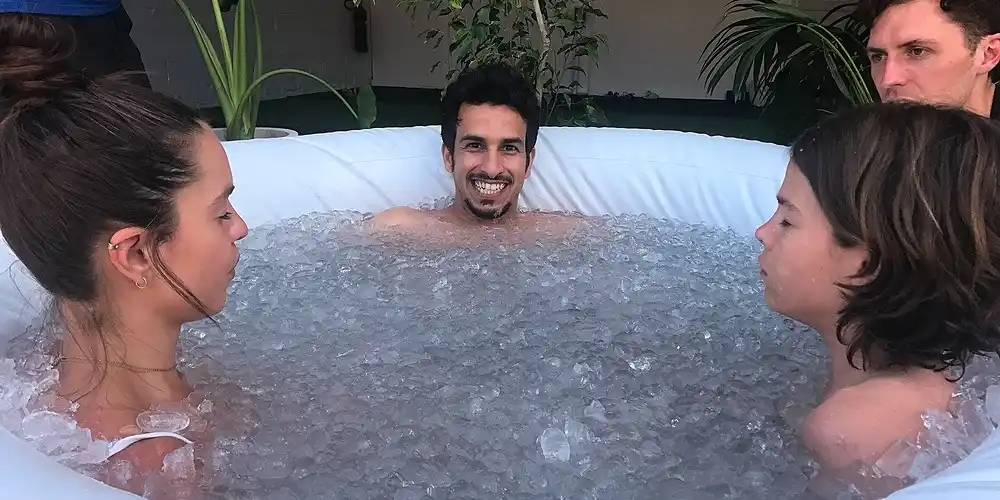
Are ice baths worth it? What the evidence really says
The evidence for ice baths is real but narrower than the hype. Serious users now care more about dose, recovery goals, and safety than viral wellness marketing.
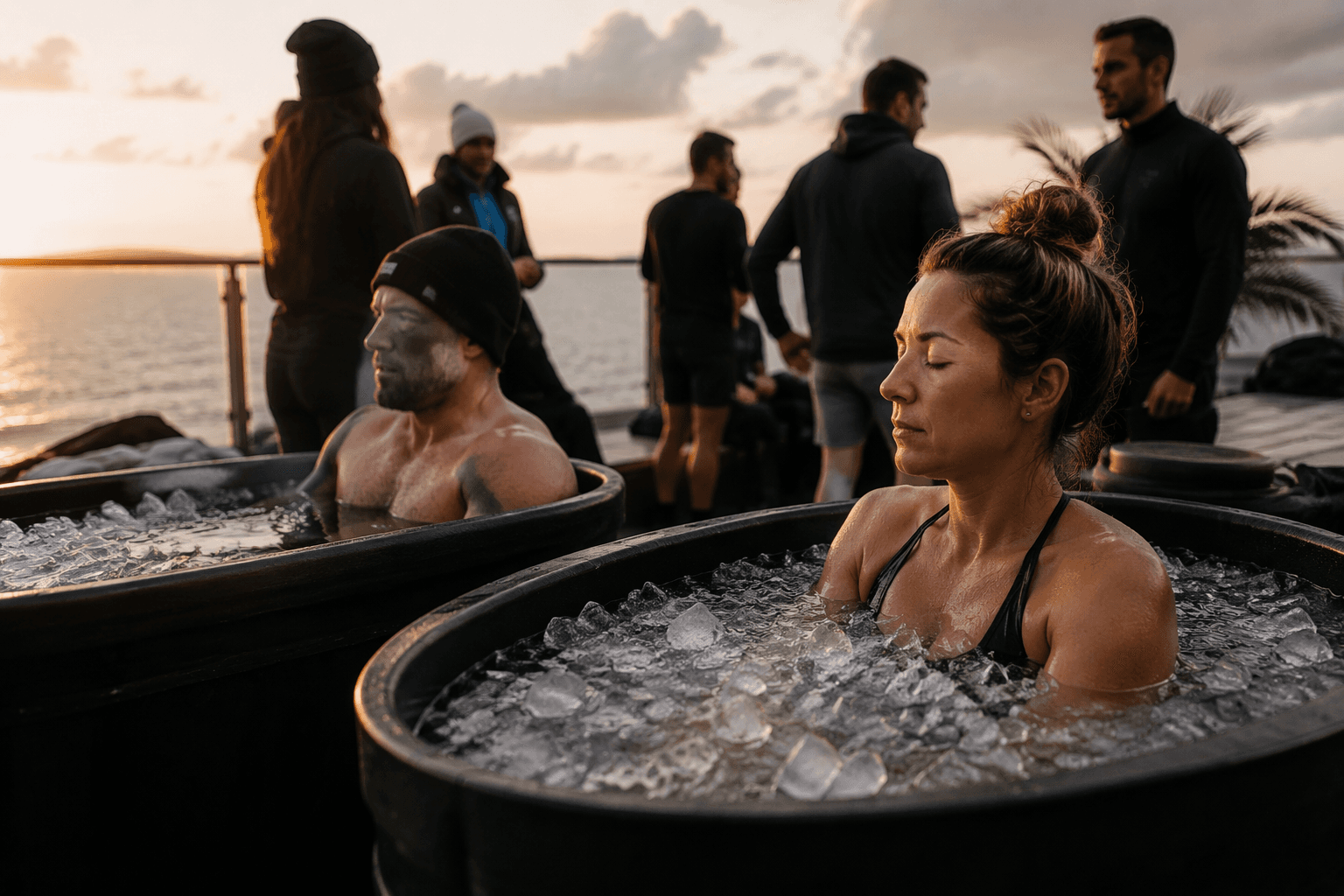
The cold plunge boom has outgrown the story wellness marketers tell about it. What used to sit at the edge of elite sports recovery now lives in consumer carts, membership plans, and home setups, with the real question no longer whether ice baths are fashionable but whether they still make sense once you strip away the hype.
What the evidence actually supports
The strongest recent research does not read like a miracle claim. A 2025 PubMed-indexed systematic review and meta-analysis found that cold-water immersion may offer some benefits, especially around stress and health-related outcomes, but the evidence is mixed and the studies do not line up cleanly enough to settle the bigger arguments. A separate review on PMC describes voluntary cold-water exposure as a continuing subject of debate, which is a good reminder that this space is still more complicated than the social feeds suggest.
That uncertainty matters because the popular pitch has expanded faster than the science. Cold plunges are often sold as if they reliably sharpen mood, erase soreness, speed recovery, and build resilience all at once. The evidence does not justify that kind of certainty. It does support a narrower case: cold immersion can be a useful tool for some people, in some contexts, with some outcomes, but it is not a universal health upgrade.
How the practice is used now
If you want to see where the hype meets the actual hobby, look at how serious users talk about temperature and time. Consumer-facing cold-plunge guidance now clusters around water in the 10 to 15 C range, or about 50 to 59 F, and some brand protocols split users into beginner, intermediate, and advanced bands that run from roughly 12 to 15 C down to 3 to 8 C. The time recommendations are just as telling: beginner guidance often starts at 1 to 3 minutes in warmer water, then drops to 30 seconds to 2 minutes in near-freezing conditions, while some commercial guides stretch to 10 to 15 minutes per session.
That is the gap mainstream skepticism usually misses. Serious cold-plunge users are not trying to prove toughness by sitting in the tub forever. They are adjusting the dose to a goal, whether that goal is post-workout recovery, a mental reset, or simply tolerating a controlled stressor without tipping into panic or exhaustion. The practice is less about living at the bottom of the barrel and more about finding a repeatable dose you can actually sustain.
Why the safety conversation has gotten sharper
The medical caution around cold immersion is not theoretical. Harvard Health Publishing asked in 2025 whether cold plunges are healthy or harmful for your heart, and the American Heart Association warned in 2022 that plunging into cold water comes with risks. Cleveland Clinic and Mayo Clinic Health System both publish consumer guidance on the topic, which tells you how mainstream the practice has become, but their framing stays sober: prolonged exposure can lead to hypothermia and other risks, and people with underlying heart disease need extra caution.
That is where the viral version of the ritual gets misleading. Social media loves the image of a person willingly entering an ice-cold tub and emerging transformed. Real-world use is narrower and more disciplined than that. The most careful versions of the practice stay short, keep temperatures in a defined range, and treat cold exposure as one tool in a larger recovery plan, not a dare.
How the market changed the ritual
Cold plunging is also now a business category. Forbes has repeatedly covered the market through consumer-shopping pieces, photo-led trend features, and recovery guides, and its newer cold-plunge tub roundup shows how normal the buying question has become. Companies now sell inflatable tubs, plug-in systems, and premium all-in-one recovery units, while market-research firms such as Technavio, IMARC Group, Fact.MR, and Spherical Insights are all publishing growth forecasts for cold plunge tub and chiller markets.
That commercial growth explains a lot of the current confusion. Once a practice becomes a product line, every brand has an incentive to make it sound more essential, more optimized, and more universal than it is. The old cold-exposure story was built around edge cases and athletes. The new one is about access, price, convenience, and whether you can fit a chiller next to your squat rack or buy a setup that lives on your patio year-round.
Where the modern cold-plunge story comes from
The ritual’s modern popularity still runs through Wim Hof, known as The Iceman, whose Wim Hof Method helped drag cold exposure from niche performance culture into mainstream wellness. That lineage matters because it explains why the practice now sits at the intersection of athletic recovery, breathwork culture, and self-optimization. It is not just about getting cold; it is about attaching meaning to the cold.
That cultural frame has been powerful, but it is also why the evidence conversation keeps getting blurred. A practice can be meaningful, repeatable, and even genuinely useful without becoming the cure-all the internet wants it to be. Ice baths survive scrutiny when they are treated as a tool with a narrow job: short, measured exposure for recovery or stress adaptation, inside safety limits that respect the heart and the clock.
The cold-plunge boom has outgrown the story wellness marketers tell about it, but the practice itself has not. What survives scrutiny is the smaller truth: ice baths can be useful when the dose is controlled, the goal is specific, and the promise stays modest.
This article was produced by Prism’s automated news system from verified source data, official records, and press releases, then run through automated quality and moderation checks before publishing. The system is built and supervised by the people who set the standards it runs under. Read our full AI policy.
Did this article answer your question?