Seattle sauna sparks cold plunges and community on the waterfront
Seattle's waterfront saunas are turning cold plunges into a year-round social ritual, with Pier 62, Alki, and Lake Washington regulars building the scene.
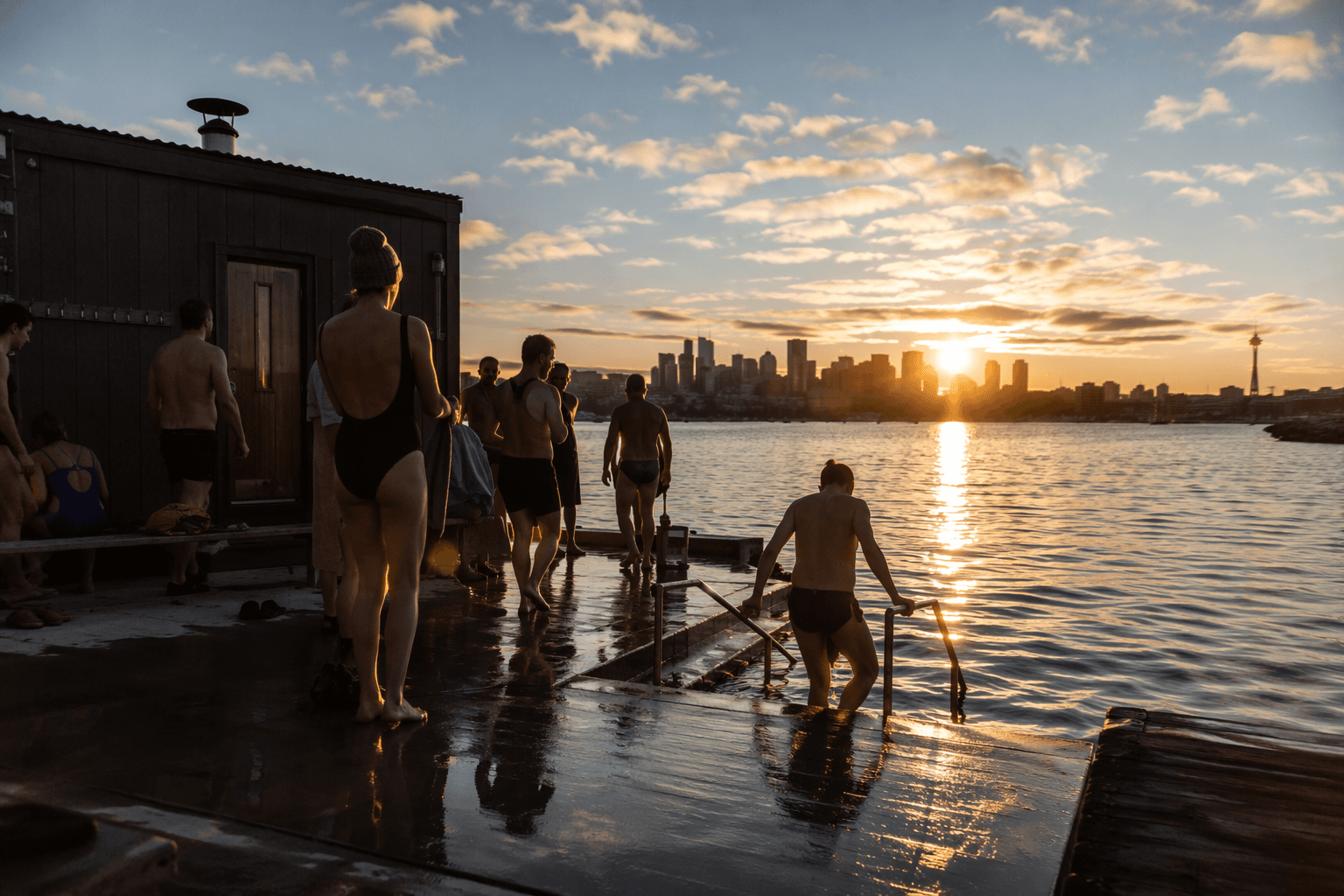
At the waterfront, the heat is only half the point. In Seattle, the real ritual starts when people step out of a sauna, head for cold water, and stay long enough to talk with the strangers who quickly start feeling like regulars. Sarah-Mae McCullough’s Seattle Times feature places that scene inside the city’s outdoors and lifestyle culture, where Puget Sound and Lake Washington are already full of people who treat cold water as part of the day, not a stunt.
Seattle’s cold-water culture was already here
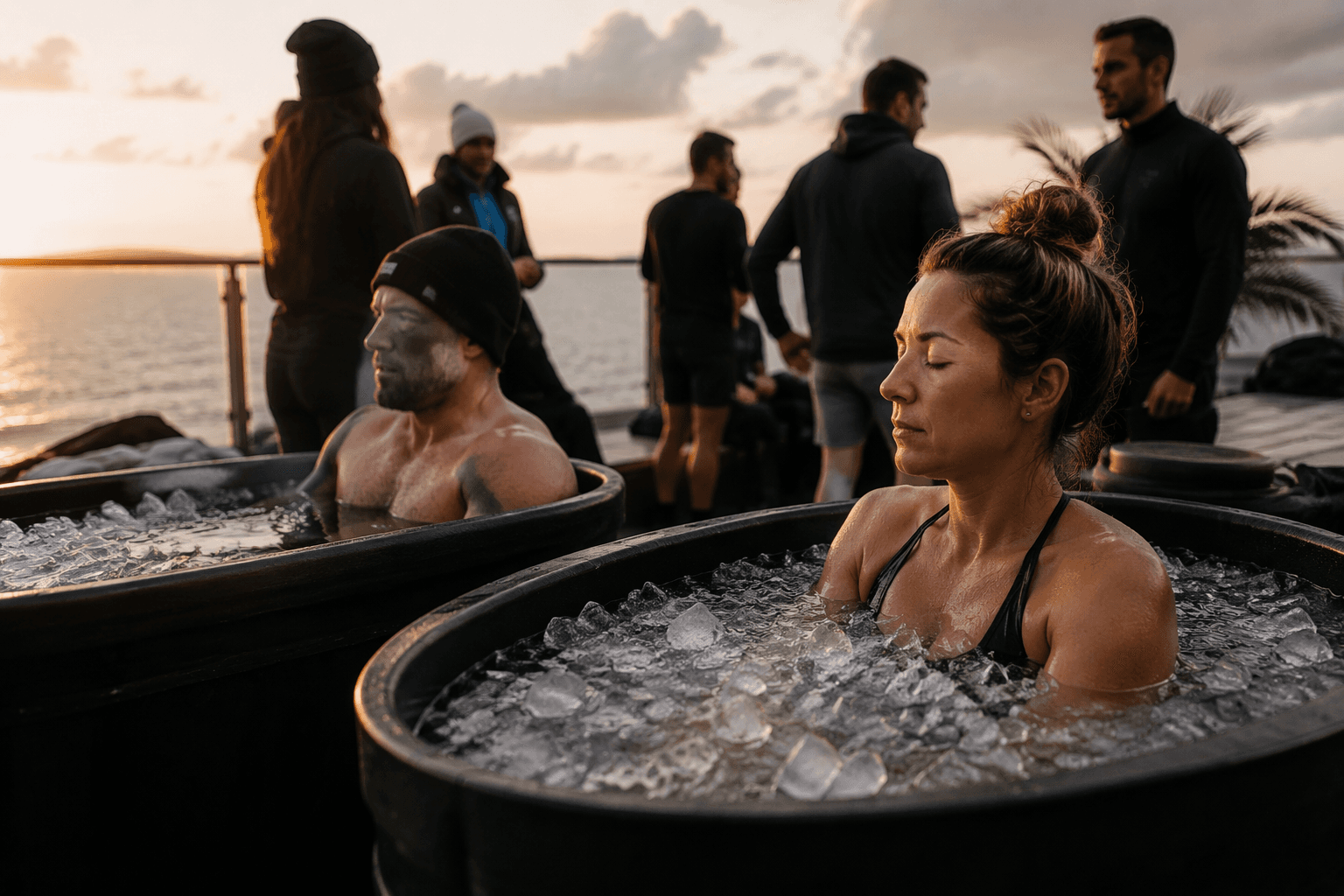
Seattle does not have to invent a cold-plunge audience. Open-water swimmers and cold plungers can be found year-round in Puget Sound and Lake Washington, sometimes on their own and sometimes with community groups like Puget Sound Plungers. That matters because a waterfront sauna in Seattle is not dropping into an empty market, it is plugging into an existing habit of showing up for the water, the weather, and the people beside you.
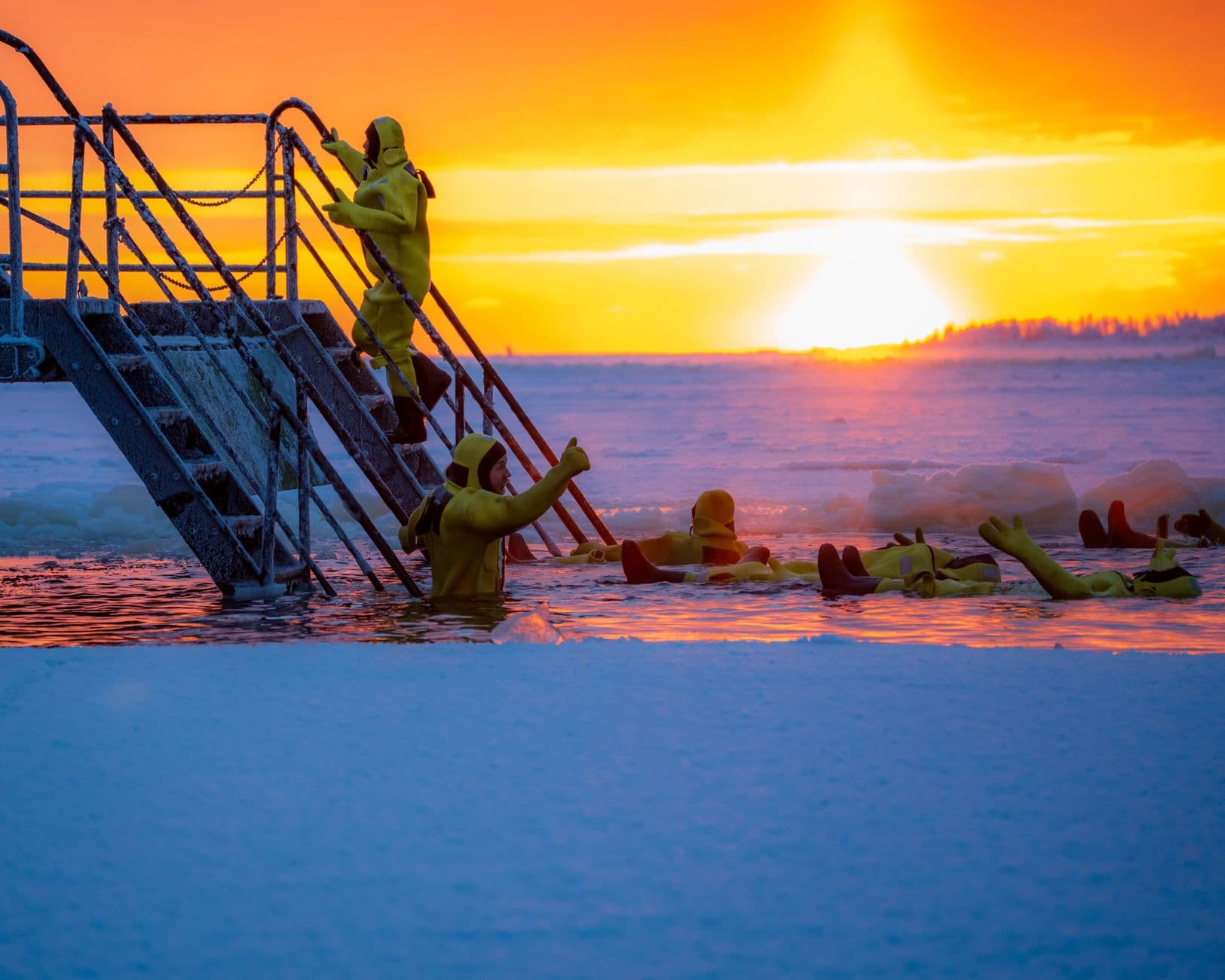
The difference from a private cold tub is the setting. On the waterfront, the plunge is shaped by wind, dock, shoreline, and the easy movement between warm shelter and public cold water. The whole experience feels less like a closed wellness appliance and more like a local ritual tied to the city’s edges, where the weather is part of the appeal instead of something you avoid.
The regulars are what make the ritual work
Puget Sound Plungers is one of the clearest examples of how organized this scene already is. The group says it practices cold water immersion and deliberate cold exposure in the Puget Sound area, and founder Renate Rain, known on Instagram as @coldwatercrone, leads that culture of repeated exposure. A News Tribune search result says she founded the group in October 2021, which gives the scene a fairly recent but already established social anchor.
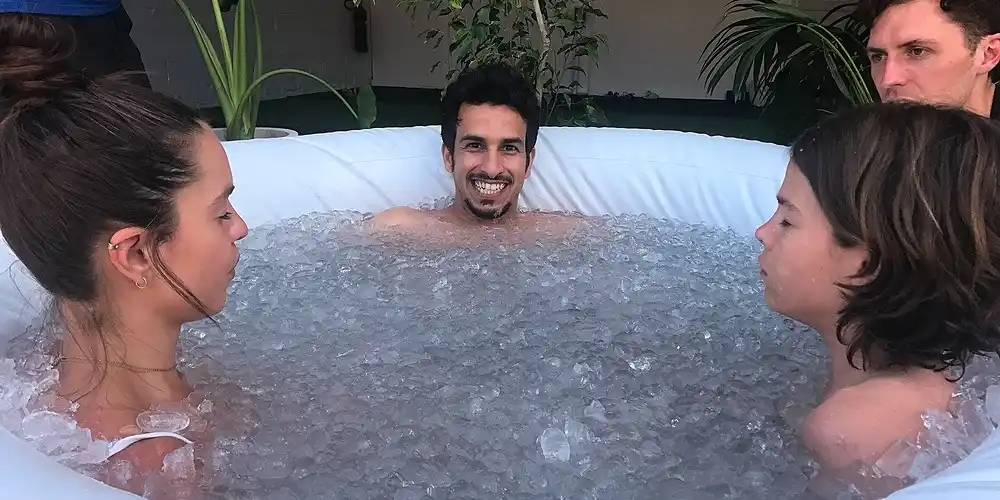
The group’s own online presence emphasizes that plunging is something you do together, not just endure alone. Instagram posts describe it as welcoming, and regular plunges happen at Sunnyside Beach on Sundays. That weekly rhythm is important, because community cold-water culture depends on recurring gatherings more than one-off novelty. Once people know where to go and who will be there, the water becomes a meeting place.
Two other names keep showing up in the same local circuit. Coldwater Collective says it hosts big plunge parties every Sunday morning at Alki Beach, while Bywater Sauna lists sauna and cold-plunge sessions at Alki and Golden Gardens. Those schedules turn the waterfront into a calendar, with different groups building their own traditions around the same basic sequence: heat, cold, conversation, repeat.
Why Seattle’s waterfront sauna feels social first
The clearest local example of that shift is Tuli Lodge, the waterfront social sauna at Pier 62. The Seattle Times has described it as a place meant to “literally” melt the Seattle Freeze, and Friends of Waterfront Park later said Tuli Lodge’s Pier 62 activation built community at Waterfront Park. That is a very Seattle idea of wellness: not private recovery, but a shared space where showing up is part of the point.
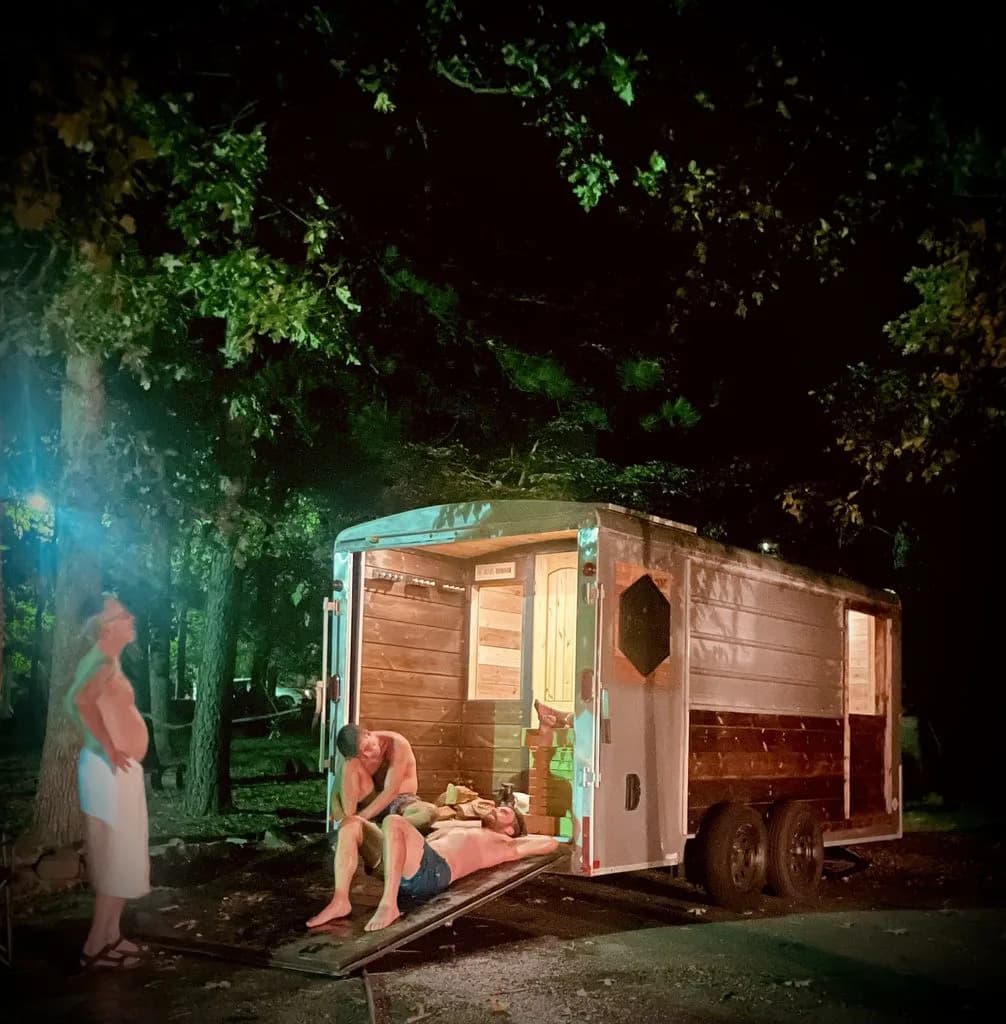
A separate pop-up at South Lake Union Park made that social feel even more obvious. One recent Friday at 7 a.m., a group of mostly 20-somethings gathered on the lawn, all in swimsuits and sweating profusely, for a Tuli Lodge event that felt like “a beer garden happy hour without alcohol.” The detail says a lot about the format. The sauna is not just a box of heat near the water. It is a place where people arrive early, dress minimally, and stay around long enough for the social side to become visible.
That is what separates this from a solitary ice bath at home. A backyard plunge can be efficient and private. A waterfront sauna in Seattle makes the recovery public-facing, with the shoreline, the dock, and other bodies moving through the same routine at the same time. The setting invites lingering, and lingering is where the community forms.
A floating sauna scene with deep regional roots
The most striking version of the idea may be Von Sauna at Carillon Point in Kirkland, tied to a public dock and described by the Seattle Times as one of just a few floating saunas in the United States and the only one then open to the public in Washington. It offers lake cold plunges before or after a session, and from inside the sauna, people can look out at otters and bald eagles. That combination, lake, wildlife, heat, and plunge, is about as Pacific Northwest as the format gets.
The region’s cold-water identity did not start with the current sauna boom. The Northwest Open Water Swimming Association says marathon swimming has been part of the Pacific Northwest since the 1950s, which helps explain why Seattle and its suburbs already have a language for cold water that goes well beyond wellness branding. Seattle Met’s reporting on open-water swimmers points to the same thing: this city has long had people who know how to live with the water instead of staying above it.
That local history is now meeting a broader sauna revival. The Seattle Times has noted that sauna culture is moving into the mainstream worldwide, helped along by travel and by the spread of floating river saunas, glacier-edge steam rooms, forest saunas, and communal bathhouses. Seattle is giving that trend its own version, shaped by rain, shoreline access, and a community that already knows how to gather in the cold.
On the waterfront, the sauna is not just a place to warm up. It is where Seattle’s cold-water people keep finding each other, and where the plunge stops being a private test and becomes a shared habit.
This article was produced by Prism’s automated news system from verified source data, official records, and press releases, then run through automated quality and moderation checks before publishing. The system is built and supervised by the people who set the standards it runs under. Read our full AI policy.
Did this article answer your question?