Scott Townsend leads Wim Hof fundamentals workshop in New Zealand
Scott Townsend’s Raglan workshop turns Wim Hof basics into a capped, coached day, not a drop-in plunge. The draw is structure: breathwork, cold exposure, and commitment.
A full-day Wim Hof workshop in Raglan is offering the thing most YouTube clips and informal plunges cannot: a room, a clock, and a teacher watching the whole process. Scott Townsend’s Fundamentals workshop runs Saturday, July 25, 2026, from 9:00 a.m. to 4:00 p.m. NZST at Solscape, with the activity listing placing it at 611 Wainui Road, Raglan, New Zealand.
What a fundamentals day actually changes
This is billed as a structured introductory workshop, not a casual social plunge. The official workshop description says attendees learn the three pillars of the Wim Hof Method: Breathing Technique, Cold Exposure and Commitment. That matters because the format is built around progression, not spectacle, giving people a way into the method that feels coached instead of improvised.
The cap is part of the appeal. The official listing says workshops are limited to 30 participants, and instructors often choose to keep them much smaller. In a field where a lot of cold exposure happens in group chats, parking-lot plunges, and one-off internet challenges, that limit creates a different kind of session: one where supervision, timing, and feedback can actually happen.
Who is leading it
Scott Townsend is listed as a Fundamentals Instructor on the official Wim Hof Method instructor page, and Oxygen Advantage identifies him as a Certified Oxygen Advantage instructor. His profile says he has studied the breath for over a decade and trained with Wim Hof, Dan Brule, Stig Severinsen, and Patrick McKeown.
That background is exactly what gives a guided workshop its value over self-directed practice. A beginner can watch breathwork videos all day, but that does not replace somebody who can explain sequencing, keep the room moving, and connect the breathing to the cold exposure piece in real time. Townsend’s training history also makes the workshop feel embedded in a broader breathwork ecosystem, not just a single-brand experience.

What the day is built to teach
The official Wim Hof Method site frames the practice as a combination of breathwork, cold exposure, and mindset training, and says it is practiced by millions. It also lists 24 peer-reviewed studies, which is part of why the method has moved from internet curiosity into something that now looks and feels like a teachable system.
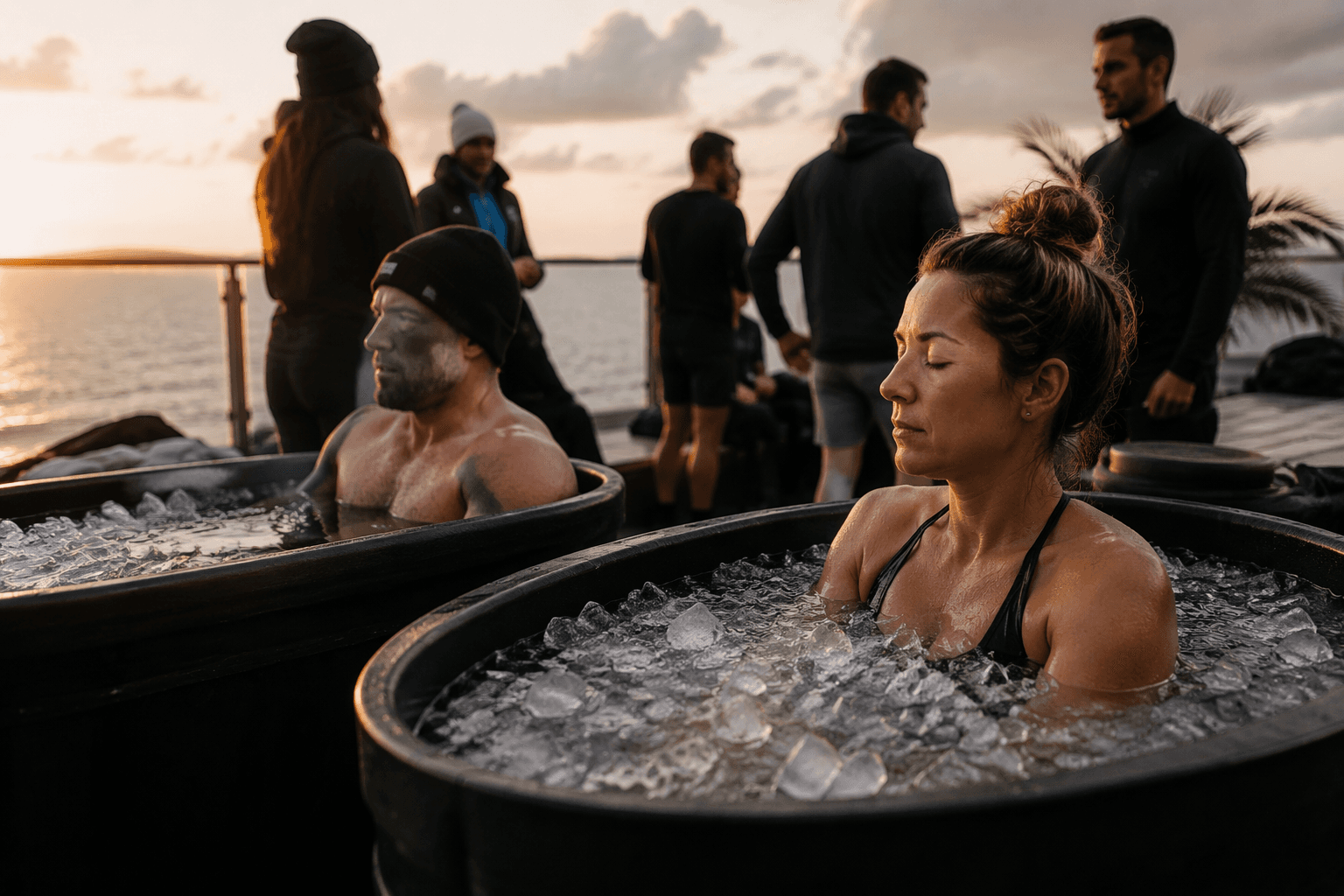
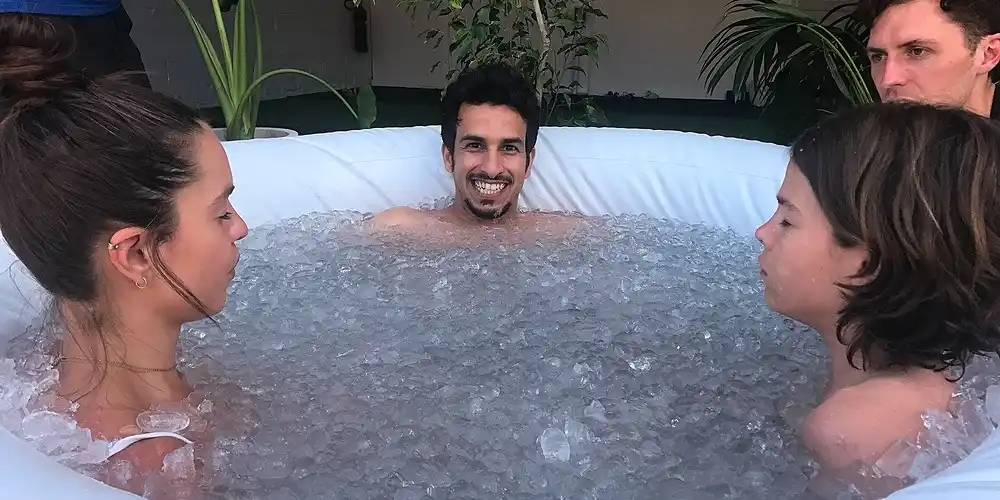
The event page image labeled Scott and Wim Ice Bath reinforces that immersion is part of the workshop language, even if the day is centered on fundamentals rather than performance. In practical terms, that means the workshop is aimed at people who want to understand how the breathwork and the cold exposure fit together before they try to do it on their own. A one-day format cannot make anyone an expert, but it can give them a framework for pacing, focus, and how to approach the cold with more intention.
For committed ice-bath people, that is a real shift. Instead of treating the plunge as a standalone dare, the workshop treats it as one piece of a larger method, with commitment and mental focus built into the experience.
Why the timing matters in New Zealand
Holding the workshop in late July gives the event a seasonal edge. In New Zealand winter, cold exposure stops being an abstract wellness concept and becomes a very literal part of the environment, which makes Raglan a fitting place to teach the method in person.
The NZST scheduling also tells you this is not a global online seminar dressed up as a local event. It is a regional, in-person gathering, and the Solscape setting in Raglan gives it the feel of a community workshop rather than a branded touring stop. That is exactly the kind of setting where cold-training culture tends to deepen, because people are not just consuming content, they are practicing alongside each other.
The safety and science frame
The official Wim Hof Method website has a page specifically warning about doing the method the right way and guarding against risks. That alone says plenty about how the practice is presented now: not as a stunt, but as something that requires instruction and care.
The broader scientific conversation also keeps the format relevant. A 2024 item in The Guardian noted a review finding that the Wim Hof breathing and cold-exposure method may have benefits. Put alongside the site’s own emphasis on peer-reviewed studies, that helps explain why a paid, guided workshop keeps finding an audience among people who want to do more than just dip into the trend.
Who this workshop is really for
This Raglan session is for people who want a first serious step into the Wim Hof Method, not a headline-grabbing endurance test. It is for the person who has already watched the clips, maybe tried an ice bath once, and now wants supervision, structure, and a clearer explanation of what the breathwork is doing before the cold hits.
That is also why paid guided training looks like the new on-ramp for a committed corner of the ice-bath world. The appeal is no longer just the plunge itself, but the chance to learn it in a capped room, with a named instructor, in a setting built around the method rather than the moment.
This article was produced by Prism’s automated news system from verified source data, official records, and press releases, then run through automated quality and moderation checks before publishing. The system is built and supervised by the people who set the standards it runs under. Read our full AI policy.
Did this article answer your question?