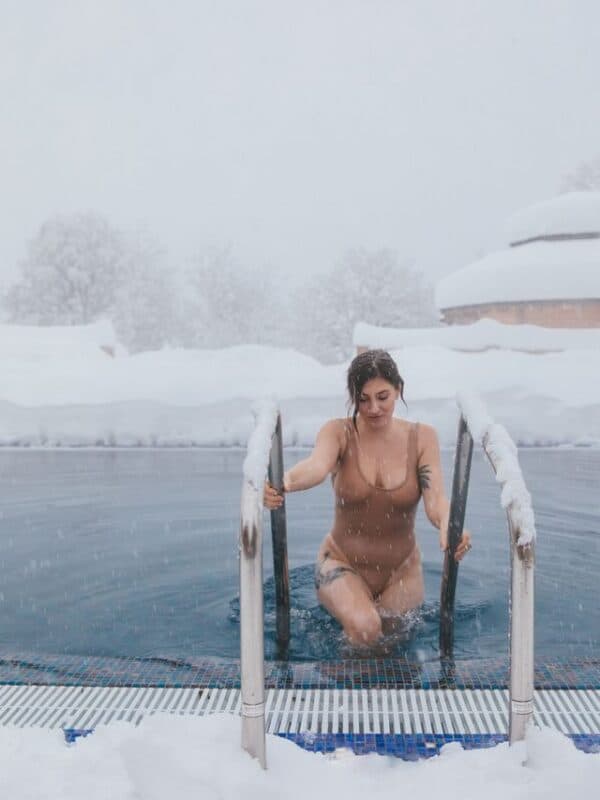
Bangor embraces cold plunges as wellness trend grows, experts warn
Bangor’s winter-born comfort with the cold is helping fuel a new plunge culture, but doctors still warn that brief dips are safer than hero sessions.
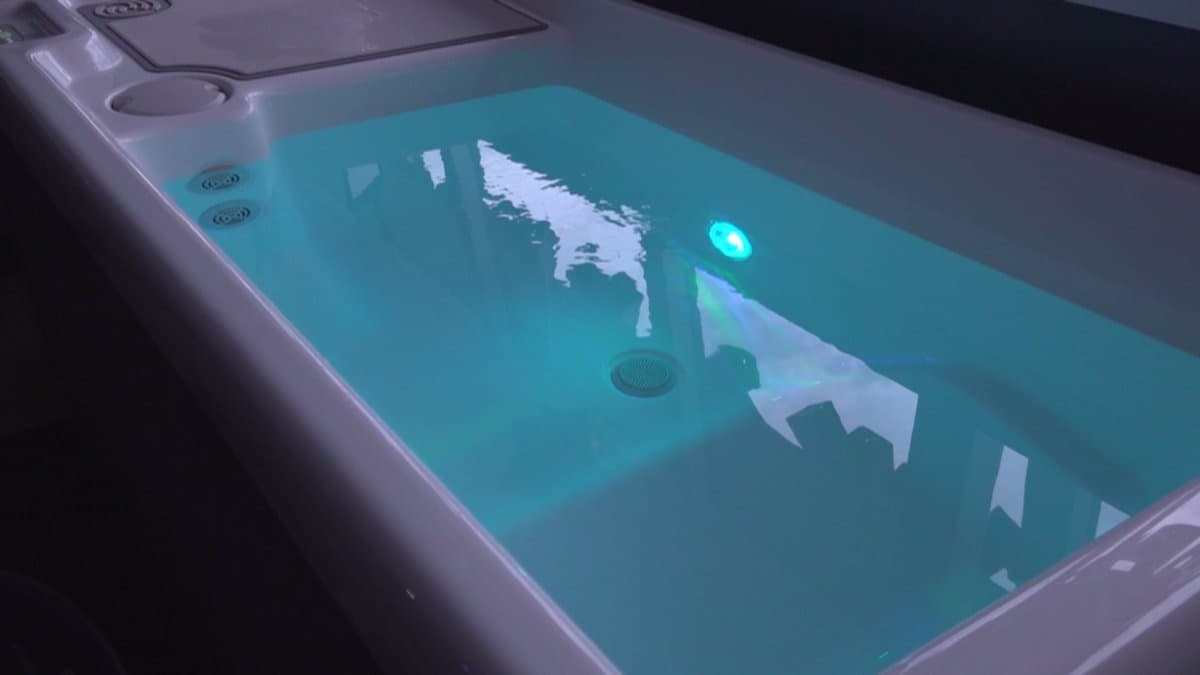
Cold plunges are no longer just a biohacker flex in Bangor. In a city where winter already shapes daily life, the practice is sliding into local wellness routines as residents look for ways to boost circulation, cut stress and chase the recovery buzz without leaving Greater Bangor.
The most visible sign is that Bangor-area studios are now selling the experience. Float 207 describes itself as Greater Bangor’s first and only flotation therapy center, and it lists cold plunge alongside float tanks, massage therapy, Reiki and infrared saunas. Bodi Bar in Bangor also advertises cold plunge therapy as part of a wider wellness lineup, a sign that the market is broadening beyond a one-off novelty and into packaged recovery services.
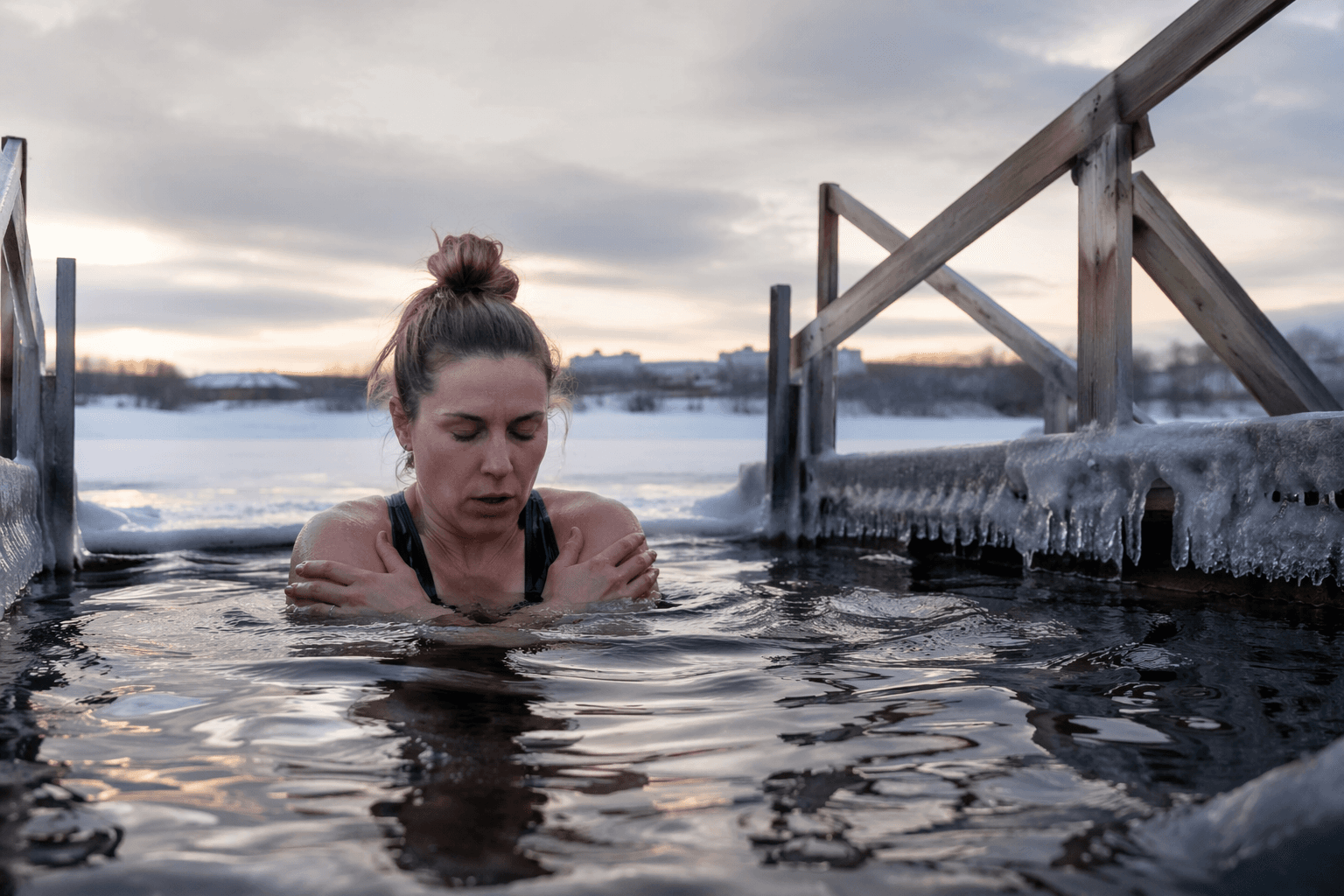
That local shift tracks a bigger national one. Mayo Clinic Press says cold-water enthusiasts such as Wim Hof helped turn icy immersion from a once-a-year New Year’s ritual into a mainstream health and fitness trend. A 2024 systematic review in PLOS One found that cold-water immersion has gained popularity as a health and wellbeing intervention among healthy adults, which helps explain why Bangor businesses are betting on it now.
The caution flag is just as important as the trend line. Cleveland Clinic says cold water constricts blood vessels, which can raise blood pressure and make the heart work harder. Harvard Health says the evidence for popular claims, including less stress, better sleep and stronger immunity, is thin, and it warns that people with cardiovascular disease, especially heart rhythm abnormalities, should avoid cold plunges. Mayo Clinic also warns that too much exposure can lead to hypothermia, while frostbite can set in with very cold temperatures and bring numbness and skin color changes.

That is why the safest way in is the boring way in. Experts advise starting with short soaks rather than long endurance tests, then getting out before the cold turns into numbness or a shiver that will not quit. The American Heart Association adds that cold weather itself causes blood vessels to contract and coronary arteries to constrict, which can raise blood pressure and increase heart risk, a reminder that Bangor’s climate may make the practice feel familiar, but not risk-free.
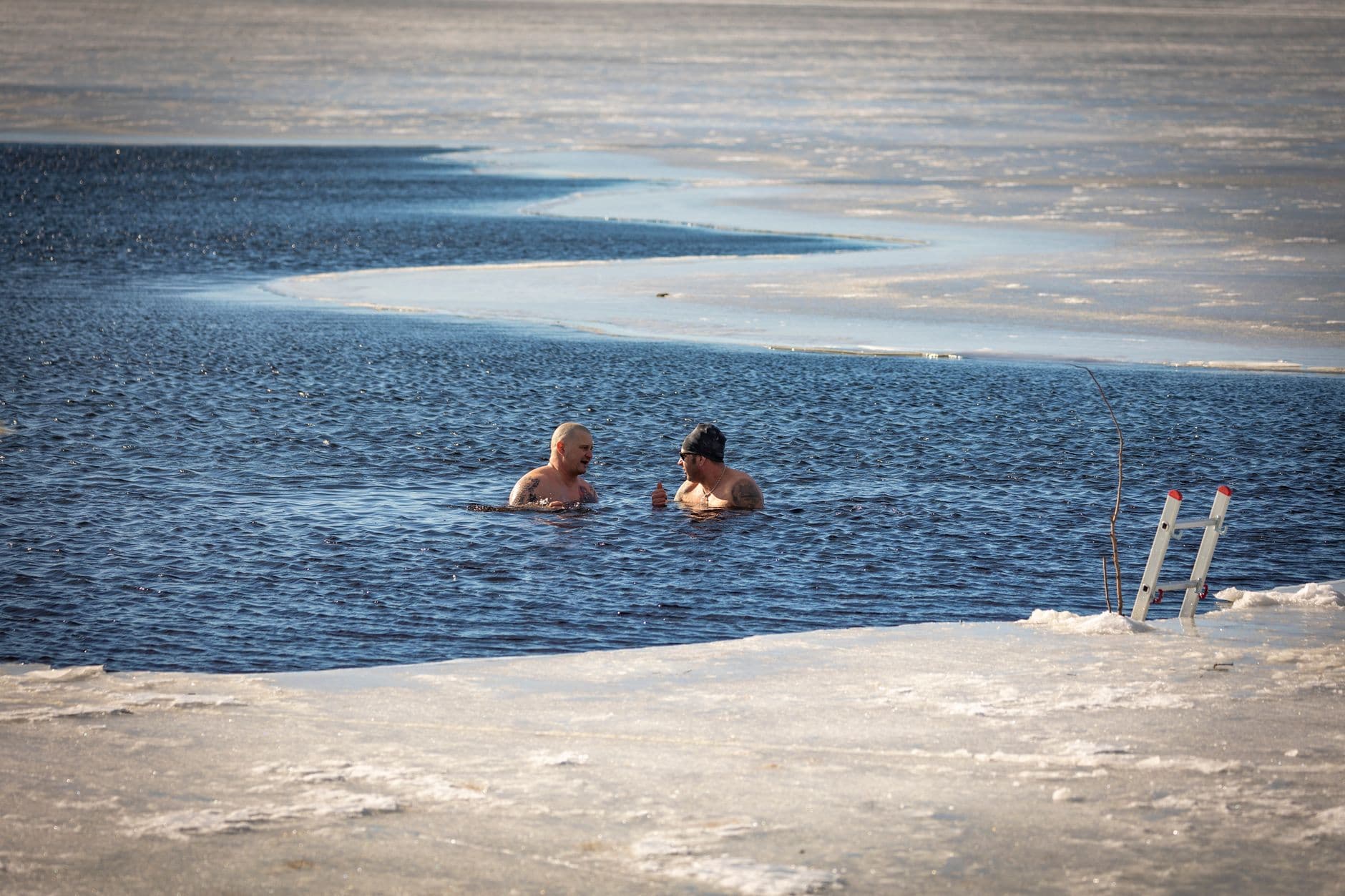
In Bangor, the appeal is obvious: cold is already part of the culture, so the plunge feels less like a stunt and more like a seasonal habit. The difference between a useful recovery tool and a bad idea still comes down to the same rule the best local operators and the medical warnings both point toward: keep it brief, stay aware and do not confuse tolerance for safety.
This article was produced by Prism’s automated news system from verified source data, official records, and press releases, then run through automated quality and moderation checks before publishing. The system is built and supervised by the people who set the standards it runs under. Read our full AI policy.
Did this article answer your question?