Brass Monkey says ice bath benefits start after three sessions in 14 days
A Brass Monkey analysis of 577 users found the cold turns from stress to adaptation after about three plunges in 14 days.

The first plunge usually tells you more about shock than recovery. Brass Monkey’s Terra-backed post says its wearable data, pulled from 170,000 nights of sleep and recovery across 577 users, found a clear turning point: about three cold-exposure sessions in 14 days.
That matters because the usual one-off ice bath story misses the curve. Below that frequency, the pattern looked like acute stress, with elevated sleeping heart rate and no meaningful recovery benefit. By the third session inside the same two-week block, the numbers flipped. Recovery scores improved, sleep scores lifted, and nighttime heart rate trended lower. In practical terms, the body stopped acting like it was under attack and started behaving like it had seen this stimulus before.
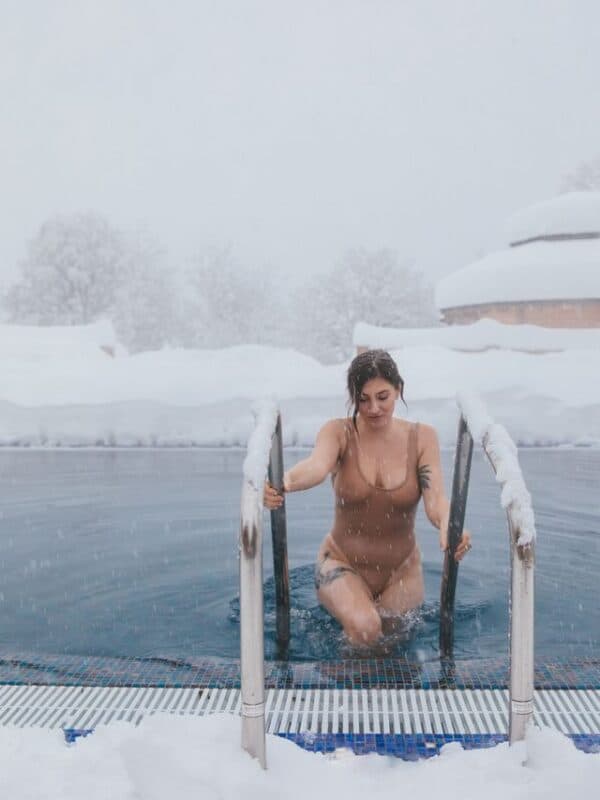
For a beginner, that is the real takeaway. Session one is where the gasp reflex shows up, breathing gets ragged, and the nervous system fires hard. Session three is where repetition starts to matter. The post also points to cold-shock habituation, which other reviews have found can begin after repeated immersions, often around four exposures, with some variation between studies. The initial cold-shock response is not subtle either: inspiratory gasp, hyperventilation, tachycardia, and a higher drowning risk. That is why cold immersion feels punishing before it feels productive.
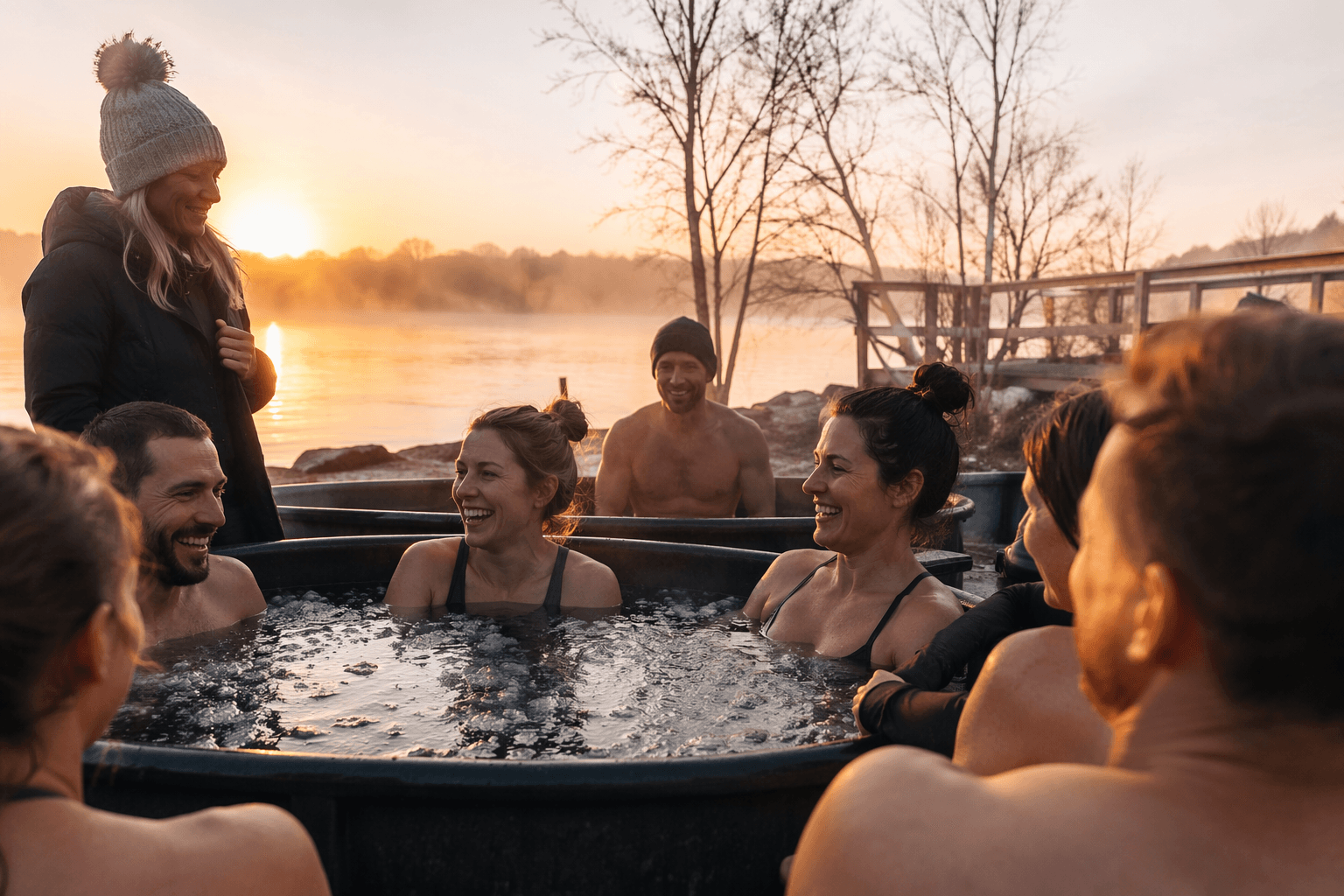
The broader literature backs the direction, even if it does not promise a miracle. A recent PLOS One systematic review says cold-water immersion research in healthy adults remains limited and covers everything from cold showers to ice baths and plunges at 15°C or colder. Harvard Health’s summary of that work says some people may see reduced stress, better sleep, and improved quality of life, but the findings were mixed and some effects differed by sex. The signal is there, but it is not a blank check for every plunge to be called recovery.
That is where Brass Monkey’s argument lands cleanly: ice baths behave more like a training stimulus than a magic reset. The company publicly pitches its intelligent ice baths and data-driven readiness setups to gyms, spas, hotels, and home users, and founder Danyl Bosomworth has said the goal is to democratize access to cold therapy. If the first dip is the shock, the useful part may begin when the body has met the cold enough times to stop flinching and start adapting.
This article was produced by Prism’s automated news system from verified source data, official records, and press releases, then run through automated quality and moderation checks before publishing. The system is built and supervised by the people who set the standards it runs under. Read our full AI policy.
Did this article answer your question?