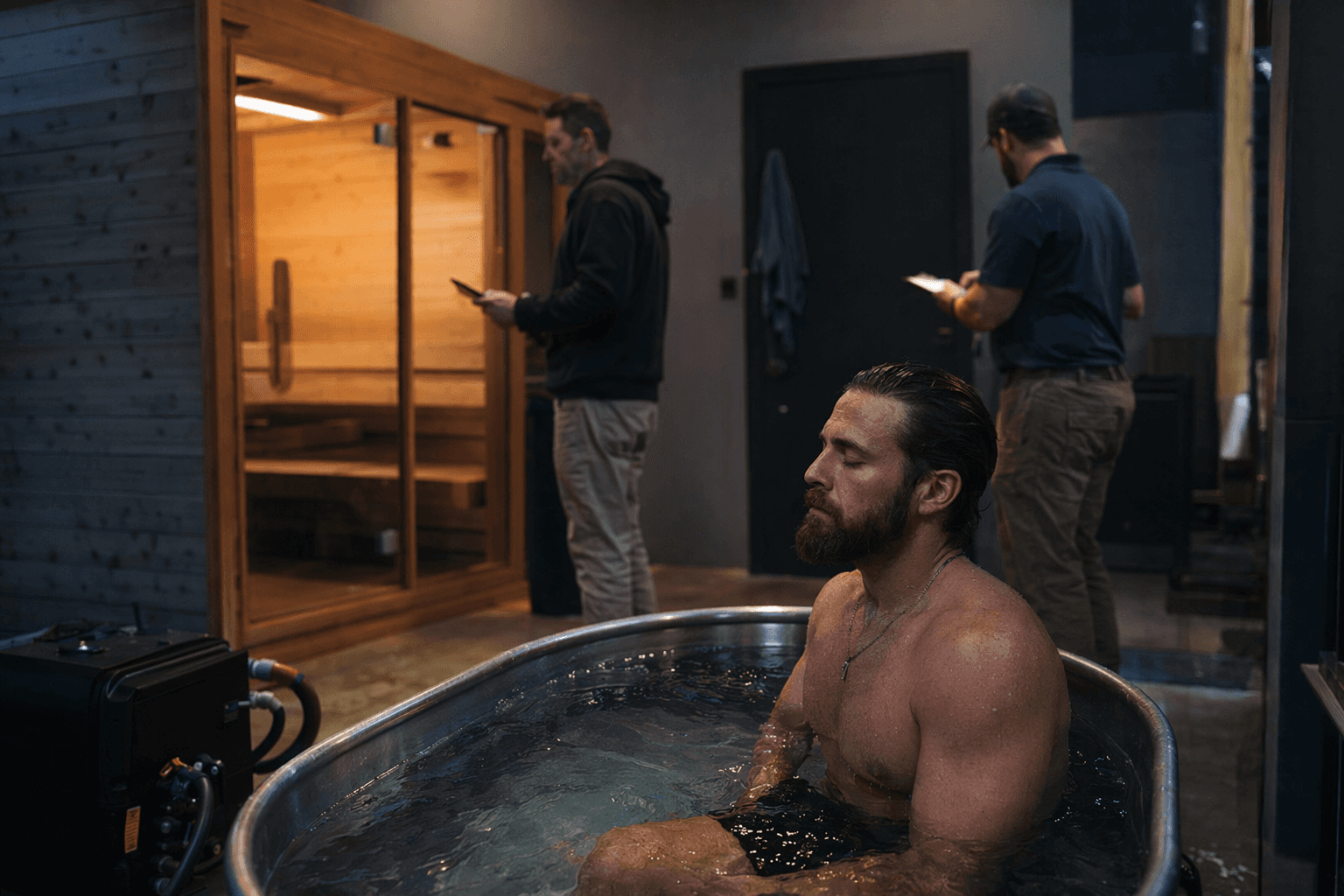
CAAM launches facial cryotherapy device for at-home skin recovery
CAAM turned cold therapy into a face-first ritual, pitching a premium at-home device for puffiness, redness and recovery at 51,990 local-currency pricing.
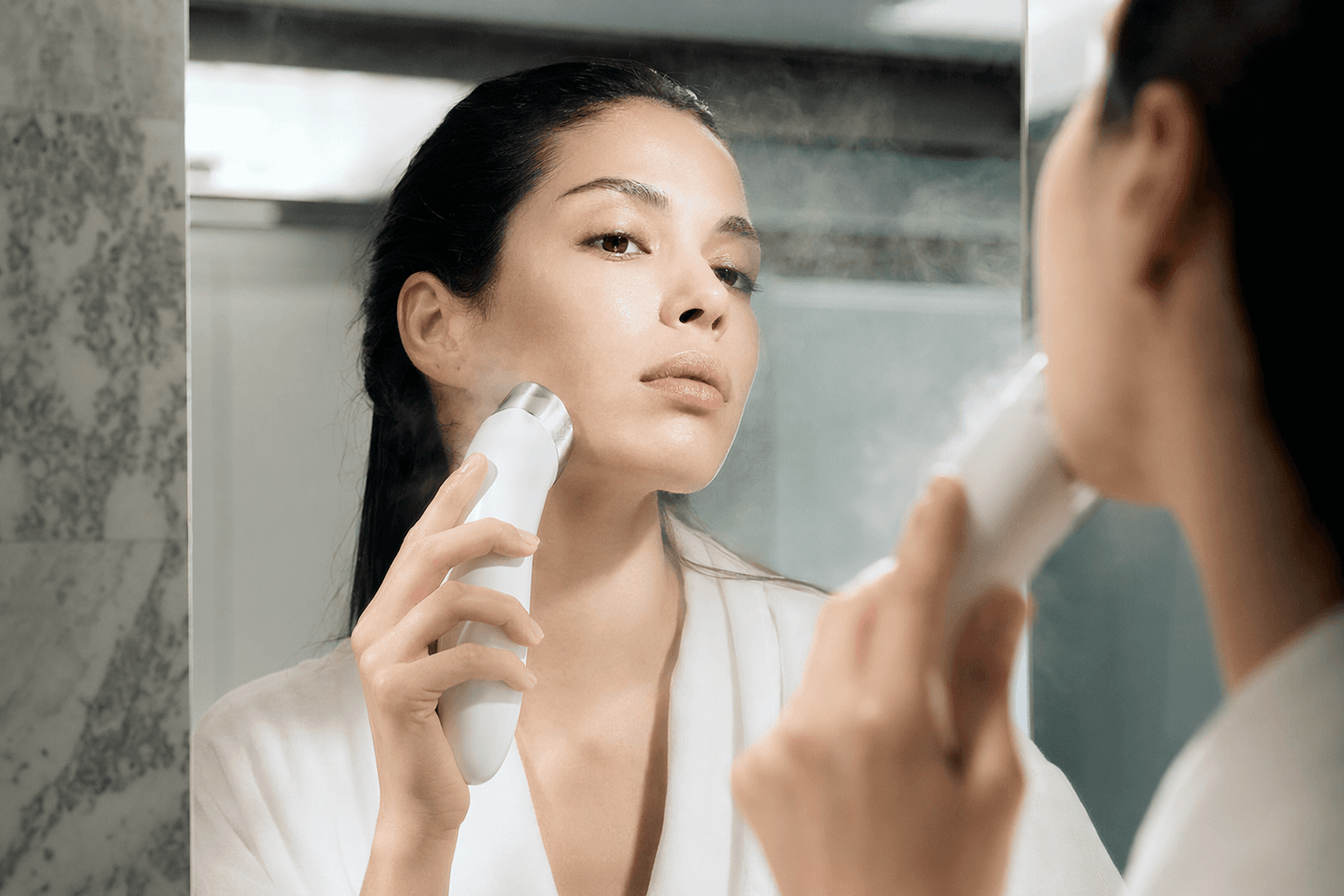
The cold plunge has a smaller, pricier cousin now. CAAM launched a facial cryotherapy device on April 27, framing cold exposure not as a whole-body recovery ritual, but as a beauty tool for at-home skin recovery, with claims aimed at puffiness, redness and irritation.
The pitch starts with founder Carolina Reyes, whom CAAM describes as a former Colombian model, lawyer and art collector based in Miami, Florida. Reyes said she created the device after looking for alternatives to injectables and aggressive procedures, and CAAM says the product grew out of years of research, clinical observation and work with dermatologists. That positioning matters: this is not being sold like a disposable gadget, but like a premium piece of aesthetic engineering for customers who want the language of recovery without the plunge tub.
CAAMBEAUTY says the device, called ICE FACE CAAM, uses controlled cold therapy to tone and firm the muscles of the neck and face. The company also says it uses a special container or barrier meant to protect the skin while allowing cold to reach deeper facial muscles, and that it is built on registered patent technology. The storefront price is listed at 51,990 in local-currency pricing, a number that places it squarely in luxury beauty territory rather than mass-market wellness.
That premium framing is part of a broader shift in cold therapy. A 2024 market report said beauty and wellness accounted for 32.5% of cryotherapy market revenue, a sign that the category is widening beyond athletes and hard-core recovery users. But the evidence base behind facial cold therapy remains mixed and highly specific. A 2024 systematic review on migraine found six studies on cold interventions, including cold-gel headbands, cold-gel caps, intraoral cooling, skin-temperature biofeedback and cold wraps with massage. ClinicalTrials.gov also lists randomized studies of transnasal cooling devices for acute migraine in the home setting, showing that some cold-based approaches are being studied seriously, even if they are not the same as a cosmetic facial device.
The caution line is just as important as the growth story. The American Academy of Dermatology describes rosacea as a common condition marked by redness, flushing, acne-like breakouts and sensitive skin, and Mayo Clinic says it has no cure, only symptom control through medicine, gentle skin care and trigger avoidance. The U.S. Food and Drug Administration distinguishes cosmetics from medical devices and says cosmetics makers are responsible for product safety. Cold exposure can also backfire: the AAD warns that people with cold urticaria can develop hives or swelling after cold exposure, and Cleveland Clinic notes that direct ice or very cold packs can cause cold burns within minutes.
CAAM’s launch shows where cold therapy is heading next: away from the whole-body plunge and into narrower, more upscale rituals built around the face. The category is fragmenting, and CAAM is betting that beauty buyers will pay for the calmer, more polished version of recovery.
Know something we missed? Have a correction or additional information?
Submit a Tip