Clinician review clarifies ice bath benefits, risks for communities
A clinician-oriented review summarized cold-water immersion research and safety takeaways for community plunges and home ice baths.
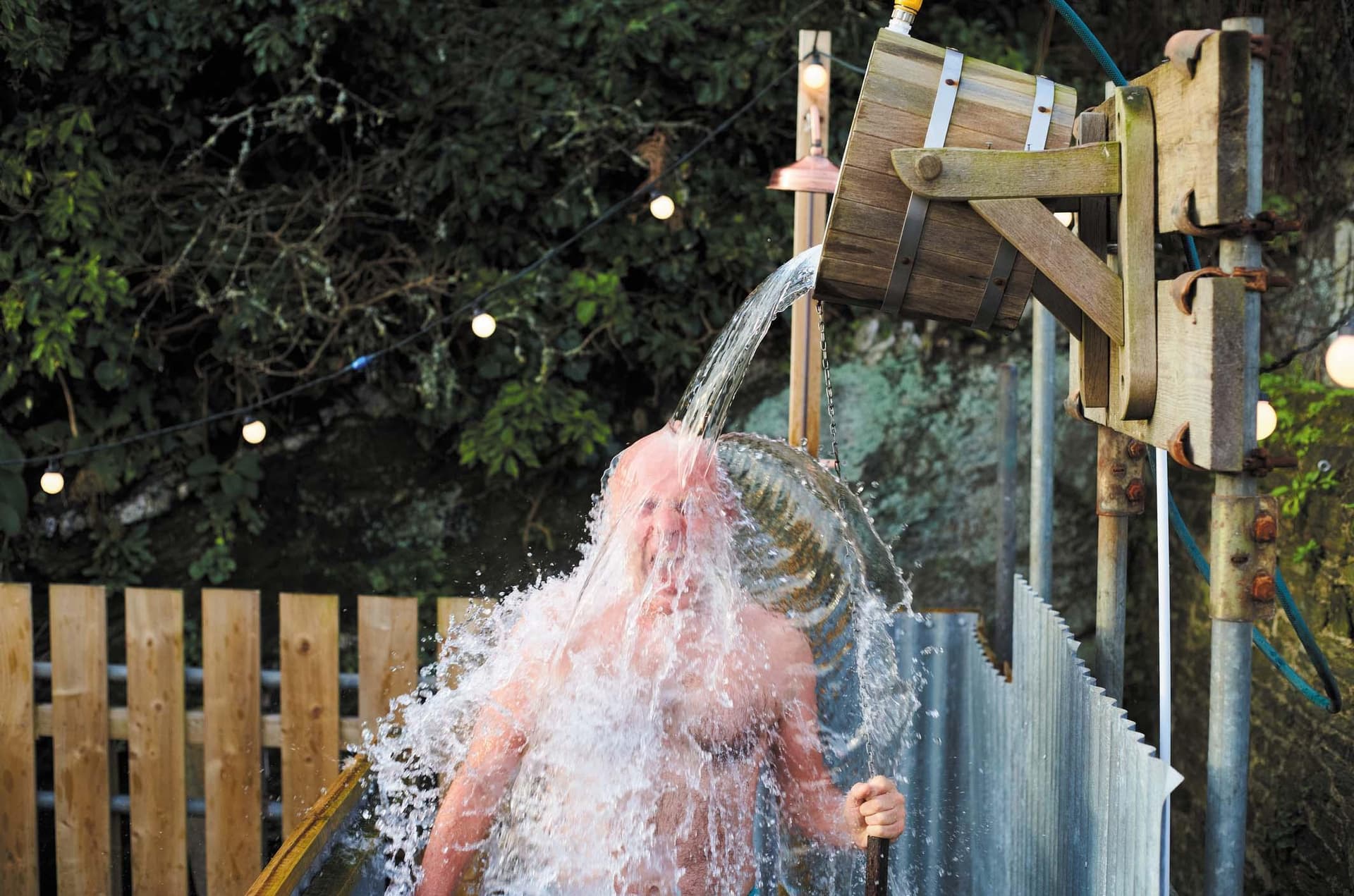
A clinician-oriented review of the cold-water immersion literature distilled what the science actually says about ice baths, cold plunges, and cold showers, and laid out clear safety and expectation-setting guidance useful for community organizers and home practitioners. The summary highlights short-term physiological effects, possible mental health and recovery signals, workforce correlations, and important evidence gaps that should shape how people run plunges and coach newcomers.
The review found that acute cold exposure commonly triggers a temporary inflammatory spike that appears immediately and can persist for up to an hour after immersion. Several studies also reported increases in norepinephrine and other sympathetic nervous system markers during or right after a plunge, the kind of biochemical wake-up that many regulars prize but that has implications for people with heart or blood pressure problems. Around the 12-hour mark after immersion, pooled analyses showed reductions in perceived stress, although immediate mood effects were inconsistent across trials.
Sleep and recovery findings were mixed. Some trials reported improved sleep among male participants following immersion, but sex-specific differences emerged and the evidence does not yet support broad claims of sleep enhancement for everyone. Separate cohort reports linked habitual cold showers with lower sickness absence at work, a promising signal for community- and workplace-wellness programs, but causality is unresolved.
The authors emphasized large evidence gaps. High-quality randomized trials remain limited, and existing studies use a wide array of temperatures, durations, and timing relative to exercise, so results are highly protocol-dependent. That heterogeneity means one club’s 90-second plunge at 8°C after lifting is not directly comparable to another group’s 3-minute dip at 12°C before running; benefits and inflammatory responses vary with those choices.
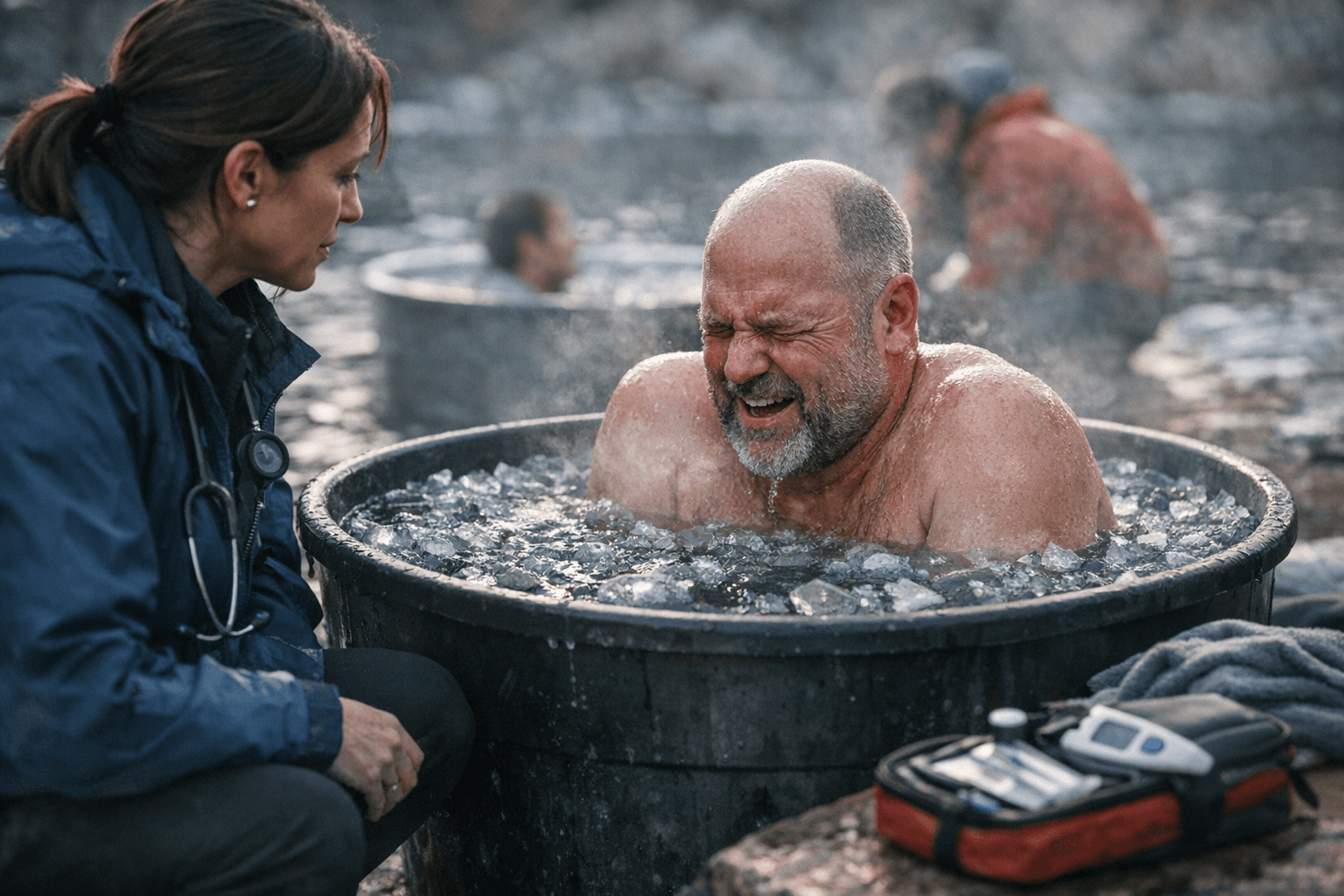
Practical safety guidance is front and center. People with cardiac disease, uncontrolled hypertension, arrhythmias, or significant medical comorbidities should consult a clinician before cold immersion. Gradual, supervised introduction, clear rewarming plans, and monitoring during the first few exposures are recommended for new members and community events. Organizers should document water temperature, time in the water, and what activities surround the plunge so members can compare protocols and outcomes responsibly.
The takeaway? Start conservative, track your protocol, and prioritize safety over bravado. Our two cents? Use this review to set expectations at your next plunge meet: explain the likely short-term inflammatory response, aim for progressive exposure, plan for rewarming, and advise anyone with cardiac or blood pressure concerns to get medical clearance before taking the plunge.
Know something we missed? Have a correction or additional information?
Submit a Tip