Cold face exposure may blunt stress, lower heart rate and cortisol
Cold face exposure is the low-friction cold reset worth trying first: it can calm the stress response without the full-body plunge, and the data point to lower heart rate and cortisol spikes.
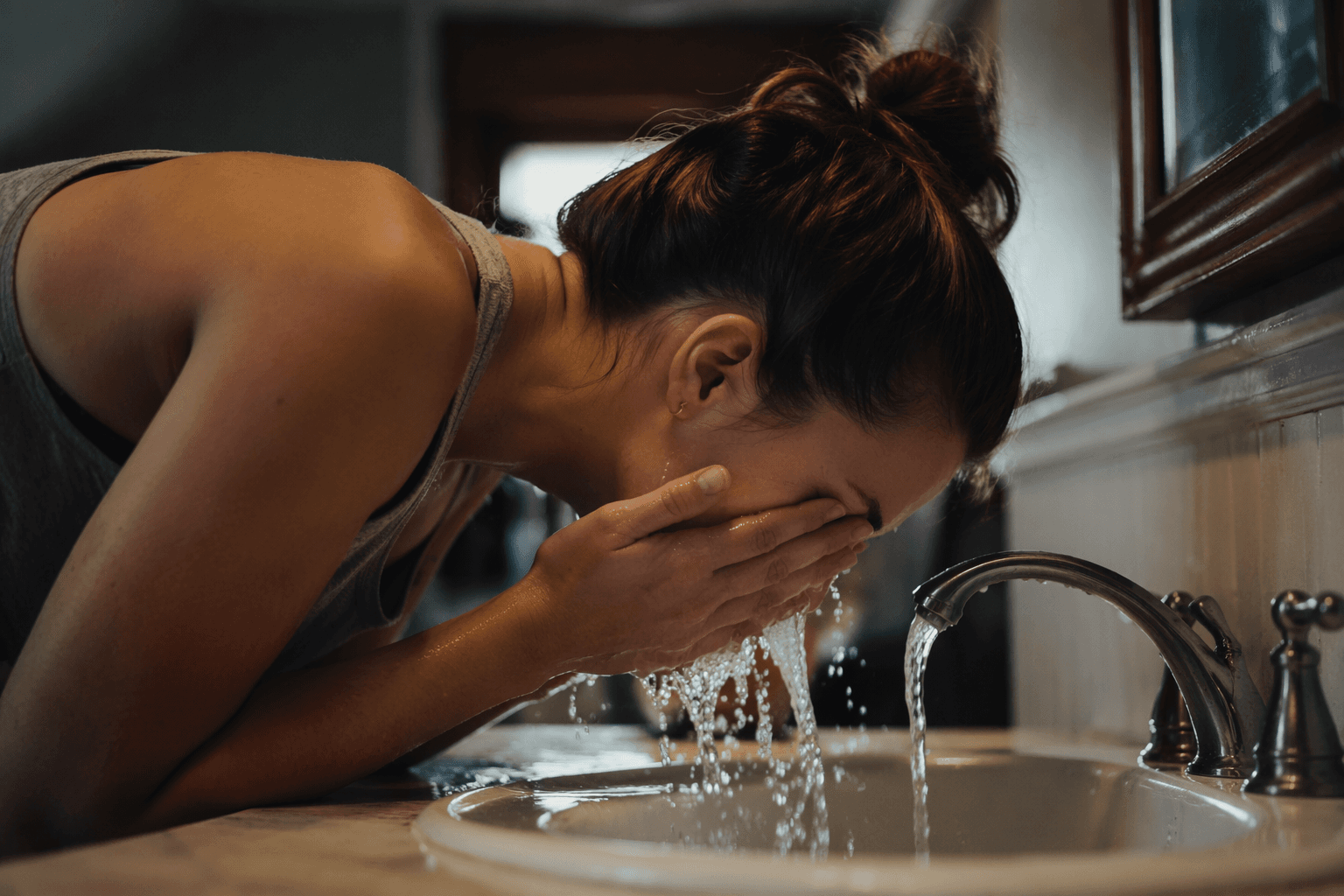
Cold face exposure is the smallest useful version of cold therapy, and that is exactly why it deserves attention. If you want a reset before a stressful meeting, after an anxious spike, or as a daily regulation ritual, cooling the forehead and cheeks is a lot easier to live with than committing to a full ice bath. The newer research suggests that modest face-only cold can still move the needle on stress physiology, which makes it the rare cold exposure tactic that feels practical instead of theatrical.
What the study actually showed
The key paper tied to PMID 36357459 tested 28 healthy participants in a randomized between-subjects design. Everyone was exposed to the Montreal Imaging Stress Task, a standardized psychosocial stressor, while researchers tracked heart rate, heart-rate variability, and salivary cortisol. The result was not that cold made the task feel easier in the moment. Both groups were equally stressed during the task, but the group that received the Cold Face Test before the stressor showed better recovery afterward, with significant differences in heart-rate measures and a blunting of the cortisol spike.
That matters because it shifts the conversation away from vague wellness claims and toward a concrete physiological effect. The paper’s core idea was simple: Cold Face Test-induced parasympathetic stimulation before an acute stressor may reduce the body’s immediate stress response, especially the heart-rate surge that tends to accompany tension. In other words, this is not about becoming invincible to stress. It is about making the body less reactive when pressure hits.
Why face cooling is different from an ice bath
Cold face exposure is not the same as full-body immersion, and that distinction is doing a lot of work here. The face-based approach is closer to a trigger of the mammalian diving reflex, a response that physiology has recognized for a long time and that researchers have used in clinical and laboratory settings. Cooling the forehead and cheeks can activate the parasympathetic nervous system, which is the branch associated with immediate heart-rate decreases and a calmer autonomic state.
That is a very different proposition from sitting in a tub packed with ice. Full cold plunges and ice baths expose much more of the body, and the wellness industry has wrapped them in bigger promises than the evidence can comfortably support. The face-only version keeps the mechanism in view, and that is what makes it useful: you get a plausible autonomic effect without turning the whole routine into a recovery ritual that eats time, money, and willpower.
How to use it in real life
This is the part that makes the finding feel usable instead of academic. If you are about to walk into a high-pressure conversation, sit through a presentation, or deal with a sudden stress spike, a short cold face exposure is the kind of intervention you can actually repeat. It is low-friction, low-setup, and easy to drop into a day that is already packed.
- Use it before a known stressor, not just after you are already flooded.
- Focus on the forehead and cheeks, since that is the Cold Face Test territory.
- Treat it as a reset, not a spectacle. The goal is a quieter stress response, not brute-force suffering.
- Keep the expectation narrow. You are trying to blunt the body’s surge, especially the heart-rate and cortisol side of it, not erase stress completely.
A practical version looks like this:
That narrow framing is important. The best use case is not as a replacement for sleep, training, therapy, or actual stress management. It is a quick autonomic nudge you can layer into the day when you need to show up calmer and more regulated.
Why the evidence feels promising, but not magical
The broader cold-water trend has clearly moved from niche practice into mass-market wellness. A 2025 PLOS One systematic review found that cold-water immersion has gained considerable traction as a health and wellbeing intervention, which tells you how fast the idea has spread. But the fact that something is popular does not make every claim around it equally solid.
Mayo Clinic noted in 2024 that ice bath and cold plunge fans often claim better recovery, pain relief, fewer colds, and improved mood, but the evidence base remains limited. Harvard Health was similarly cautious, saying that claims about stress and sleep may be linked to better cardiovascular health, yet the proof is shaky. The honest read is that cold exposure is not nonsense, but the leap from “some physiological effects” to “broad cure-all” is still way too big.
That is why this face-focused finding stands out. It is specific, it is measurable, and it fits the known biology of parasympathetic activation. It does not promise a total life reset. It suggests something much more believable: if you stimulate the right cold reflex at the right time, your body may come down from stress faster.
Do not confuse this with cold-risk therapy
Any cold exposure conversation has to include the risk side, because the full-body version can be genuinely dangerous. The American Heart Association warned in 2022 that sudden immersion in water under 60 degrees Fahrenheit can kill a person in less than a minute. The National Weather Service says sudden cold-water immersion can trigger gasping and rapid breathing, and that alone raises drowning risk even for confident swimmers. The National Center for Cold Water Safety, established in 2012, exists specifically to educate the public about cold shock, swimming failure, incapacitation, and hypothermia.
That warning does not make face cooling the same thing as a dangerous plunge. It does mean the cold-water hype machine often blurs useful distinctions. A brief cold face exposure is a much lower-friction, lower-risk way to test the stress-response idea without pretending that every benefit advertised for ice baths automatically transfers to the face.
The cleanest way to think about it is this: if you need a fast, realistic stress reset, start with the face, not the full barrel. The new research points to a small intervention with a real physiological payoff, and that is exactly the kind of cold exposure worth keeping in the toolbox.
This article was produced by Prism’s automated news system from verified source data, official records, and press releases, then run through automated quality and moderation checks before publishing. The system is built and supervised by the people who set the standards it runs under. Read our full AI policy.
Did this article answer your question?