Cold Plunge Guide: Safe Durations, Temperatures, Training Considerations
Cold plunges offer recovery and mood benefits but carry cardiovascular risks; follow temperature and duration limits to plunge safely.
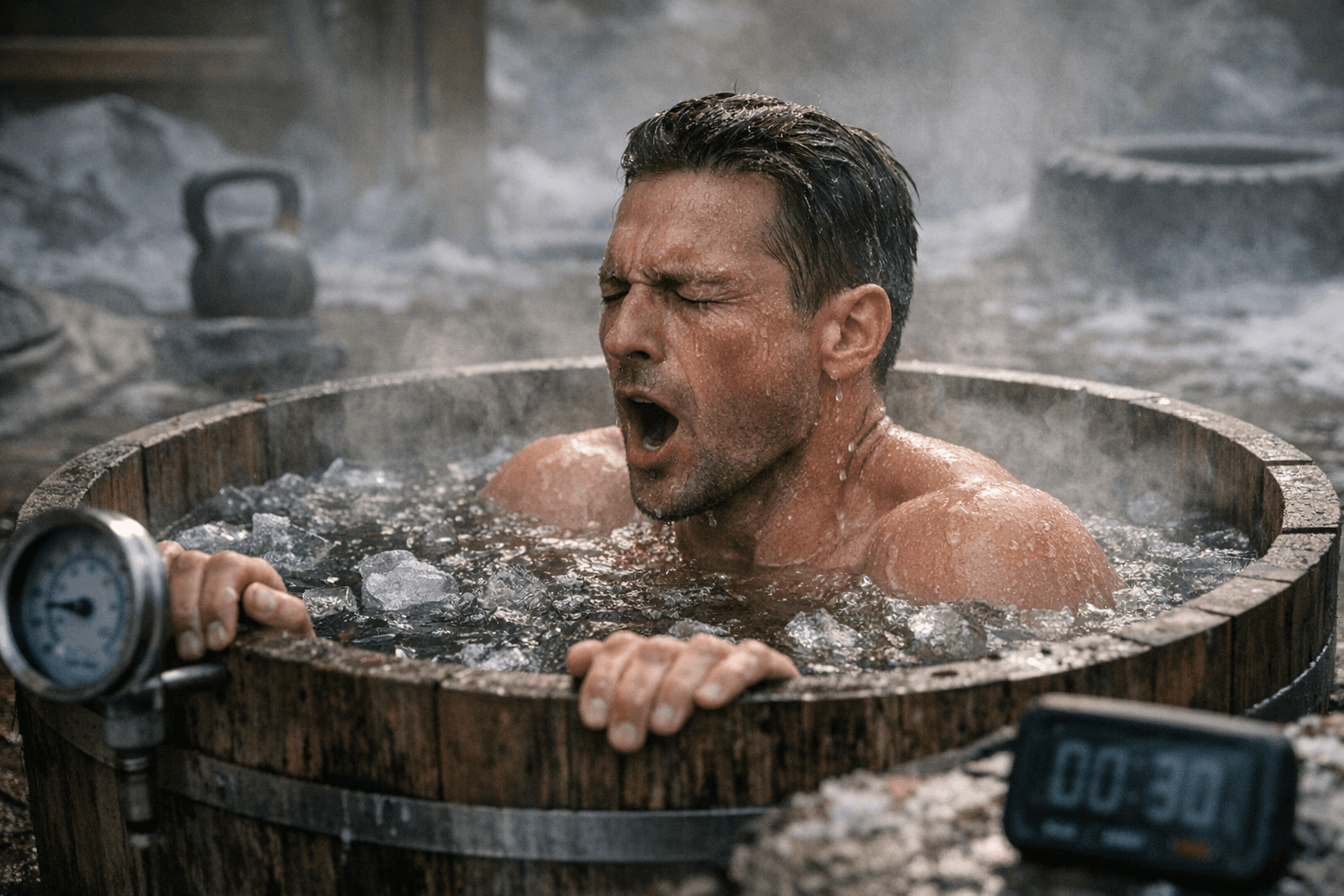
Cold-water immersion can sharpen recovery and mood, but it also triggers a powerful stress response that matters for safety and training outcomes. Short, controlled dips provide most of the community benefits while minimizing risks: start with brief exposures, increase tolerance gradually, and match timing and temperature to your goals.
Beginners should begin with 30 seconds to 1 minute in water around 50-59°F (10-15°C) and work up to 3-5 minutes as tolerance permits. Very cold dips under 41°F (5°C) can provoke rapid breathing, spikes in heart rate and blood pressure, and arrhythmias in susceptible people, so limit duration at those temperatures. Some advanced practitioners take brief plunges at about 39-45°F (4-7°C) for 1-3 minutes, but that approach carries higher risk and is best reserved for experienced cold acclimatizers.
Plan cold exposure around training goals. Cold immersion immediately after resistance training can blunt the cellular signals that drive hypertrophy; delay cold exposure by several hours if muscle growth is a priority or reserve plunges for rest and cardio days. For immediate soreness relief and short-term recovery needs, 2-3 minutes of immersion at moderate cold is often effective without compromising adaptation.
Safety measures are non-negotiable. Cold shock can cause uncontrolled breathing and cardiovascular strain. People with cardiovascular disease, uncontrolled hypertension, or other relevant risk factors should consult a physician before trying plunges. Never plunge alone in open water; have supervision, a spotter, or a lifeguard present when using natural bodies of water. Rewarm gradually after a dip with dry clothing, light movement, and sheltered warmth. Avoid immediately jumping into very hot water or consuming hot alcohol, as abrupt temperature swings or alcohol can produce adverse responses.
Practical value for the local plunge community comes down to predictable, repeatable habits: log your starting temperature and duration, progress slowly, and adapt protocols to whether you want mood resilience, acute soreness relief, or long-term performance gains. Contrast therapy and hot-cold protocols remain popular tools, but they work best when matched to individual tolerance and training cycles.
What this means for readers is clear: take the plunge deliberately, not recklessly. Start short at milder temperatures, respect the cardiovascular signals, schedule dips around resistance training if hypertrophy is a goal, and prioritize supervision and controlled rewarming. Those steps keep cold immersion accessible, effective, and safer for the wider community.
This article was produced by Prism’s automated news system from verified source data, official records, and press releases, then run through automated quality and moderation checks before publishing. The system is built and supervised by the people who set the standards it runs under. Read our full AI policy.
Did this article answer your question?