Cold Plunges After Sex Spark Viral Fear, Experts Urge Caution
A viral reel with millions of views warns that cold plunging right after sex can trigger fatal cardiovascular stress. Experts say wait until your body fully baselines first.
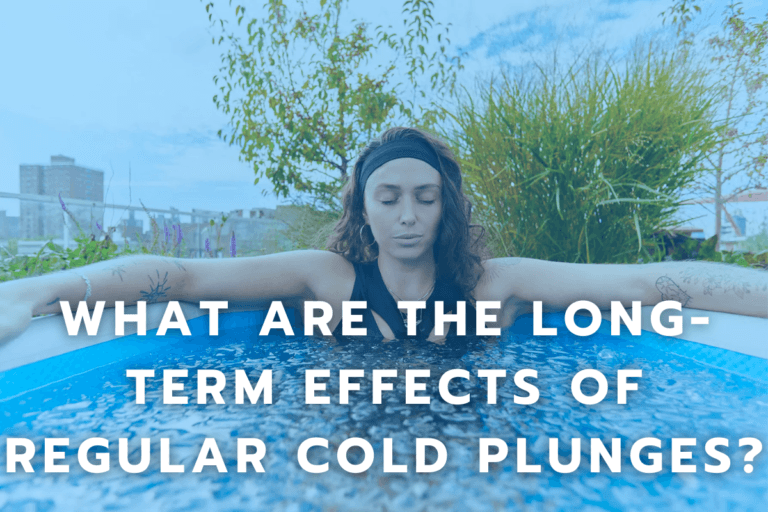
A viral reel racking up millions of views has set off a wave of concern across cold exposure communities: is jumping into a cold plunge or taking a cold shower immediately after sex actually dangerous, even deadly? Experts say the fear has real physiological grounding, even if the doomsday framing is overblown for most healthy people.
The core of the concern comes down to compounding cardiovascular stress. Sex elevates heart rate, blood pressure, and core body temperature. Stacking a cold plunge on top of that elevated state, before the body has had a chance to return to baseline, creates a double hit to the cardiovascular system. The sudden vasoconstriction triggered by cold can lead to a rapid increase in blood pressure and heart rate, potentially straining the cardiovascular system. When your system is already running hot from intimacy, that additional strain is amplified.
The sudden temperature shock of cold water triggers an immediate and dramatic response from your cardiovascular system, causing your heart rate to spike, blood pressure to surge, and blood vessels to constrict rapidly. For someone healthy and rested, that is usually manageable. The problem is that most people climbing into a plunge tub post-sex are neither rested nor at a cardiovascular baseline.
Cold exposure prompts vasoconstriction, the narrowing of blood vessels, which raises blood pressure and forces the heart to work harder to maintain circulation. Layer that on top of post-coital cardiovascular elevation and you have a scenario that cardiologists describe as genuinely risky for anyone with undetected or known heart issues.
This habit is not advisable for anyone with cardiovascular disease, especially people with heart rhythm abnormalities, according to Dr. Prashant Rao, a sports cardiologist at Harvard-affiliated Beth Israel Deaconess Medical Center. The viral reel's death-risk framing is directed specifically at this population, and that part of the message is medically defensible.
There is also a symptom-masking problem worth knowing. Many symptoms that would normally prompt someone to stop and seek help, such as dizziness, nausea, or chest discomfort, can be attributed to the normal unpleasantness of cold water exposure rather than recognized as potential signs of cardiac distress. The adrenaline and stress hormones released during cold shock can actually mask pain and other warning symptoms. After sex, with norepinephrine and dopamine already elevated, the masking effect is even more pronounced.

Men over 40, especially those with risk factors like smoking, diabetes, or high blood pressure, have higher rates of undiagnosed coronary artery disease and should be particularly cautious about cold exposure. That demographic also tends to be the one most enthusiastically adopting cold plunging as part of a biohacking routine, which makes the combination worth taking seriously.
The expert guidance is consistent: wait. Let your heart rate drop, your blood pressure normalize, and your body temperature settle before getting in the tub. Waiting at least 15 to 20 minutes before any cold exposure after physical exertion allows natural rewarming and prevents dangerous blood pressure swings from rapid temperature changes. That window likely needs to be longer following sex than following, say, a light walk.
For individuals with certain pre-existing medical conditions, cold water immersion stress can be dangerous. People with cardiovascular issues, uncontrolled high blood pressure, or conditions like Raynaud's phenomenon should exercise extreme caution or avoid cold plunges altogether. That was true before this reel went viral. The biology has not changed; the awareness of it has.
The viral panic around this particular pairing may fade quickly, but the underlying physiology deserves a permanent spot in how the cold plunge community thinks about timing. Your post-intimacy body is not in the same state as your morning body. Treat it accordingly.
This article was produced by Prism’s automated news system from verified source data, official records, and press releases, then run through automated quality and moderation checks before publishing. The system is built and supervised by the people who set the standards it runs under. Read our full AI policy.
Did this article answer your question?