Cold Plunges Go Mainstream, BarBend Puts Them Under Expert Review
Cold plunges are no longer fringe wellness props. The real question is which ones support recovery, and which ones only look expensive on a patio.
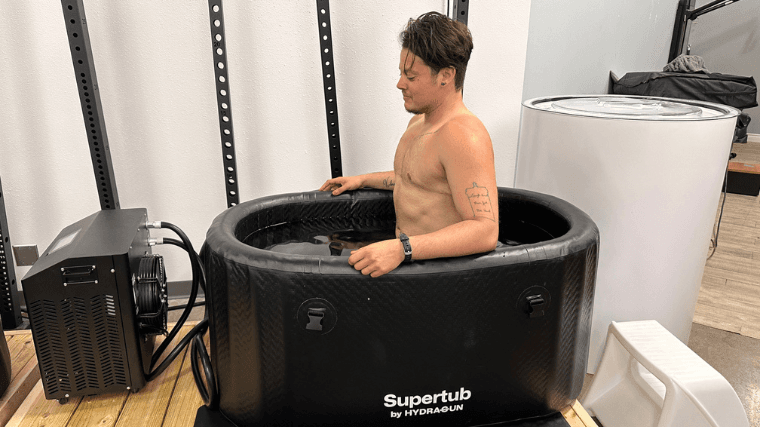
Cold plunges have finally crossed into the same conversation as barbells and treadmills
BarBend’s latest cold-plunge update treats the category like a real training tool, not a lifestyle prop. That shift matters because the market is crowded with tubs that promise recovery, mental clarity, and grit, but only a subset are built to earn a place in your routine. The smartest guides now separate serious use from patio theater, and that is exactly where cold plunges have landed.
BarBend’s approach is telling: the guide is written and reviewed by trainers, researchers, athletes, and medical professionals, with oversight from a doctor of physical therapy and additional review from physicians and credentialed coaches. That kind of scrutiny is what you expect when the question is not just whether cold exposure feels intense, but whether the setup actually fits exercise, recovery, and daily life.
Why cold plunges still have a grip on athletes and wellness users
The basic physiology is easy to understand and easy to oversell. When you get into cold water, blood vessels constrict and blood flow drops; after you get out, circulation rebounds. That rebound is part of why people keep coming back to plunges, because it may help reduce inflammation and support the healing process after hard sessions.
That is also why cold plunges have become a bridge between lifters, runners, and general wellness users. The claim set is familiar by now: faster recovery, less pain, better mood, and less inflammation. Those benefits are part of the appeal, but they are also the reason the category has become so contentious, because the same tool that feels great after a brutal workout can be a poor fit for someone chasing long-term adaptation.
Mayo Clinic notes that Wim Hof helped push icy plunges into modern wellness culture, especially after the practice spread far beyond its older roots in cryotherapy and polar-plunge traditions. That popularity wave explains why cold immersion went from niche endurance ritual to mainstream consumer purchase, but it does not settle the question of how, when, or for whom it should be used.
What the research actually supports, and where it gets messy
This is not a fringe topic anymore. The American College of Sports Medicine describes cold-water immersion as the most studied cryotherapy application and the most commonly used post-recovery modality at all competition levels. That alone tells you the category has moved past fad status and into legitimate sports-science territory.
The evidence base is broad, but not perfectly neat. A 2023 systematic review and meta-analysis in PubMed looked at 68 studies on recovery after exercise and found that cold-water immersion can affect recovery in ways that depend on the time window and the type of exercise. That nuance matters because a plunge after sprint intervals is not the same as a plunge after a hypertrophy block or a long endurance session.
A newer PubMed review from 2026 says the lack of exercise-specific guidelines has created confusion about how cold-water immersion should be implemented. That is the real shopping and usage problem now. People do not just need a tub, they need a protocol that matches the goal.
Where cold plunges help, and where they can hurt progress
The strongest case for cold plunges is short-term recovery. Mayo Clinic says they may ease soreness by reducing inflammation and swelling, but also warns that overuse can slow recovery and long-term gains. That tradeoff is the part a lot of social media marketing skips.
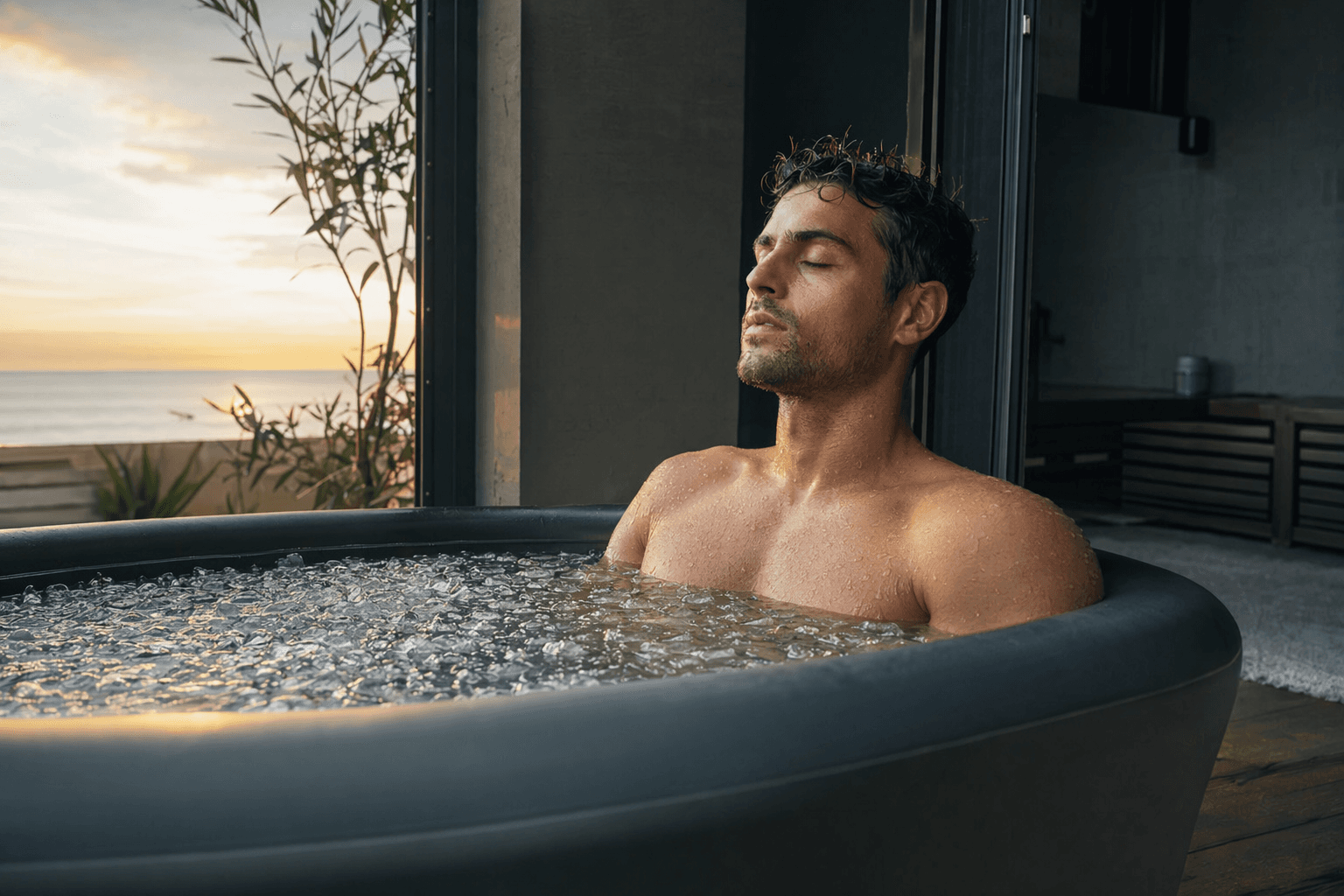
For competitive lifters and serious trainees, the long game matters. A 2023 paper in Physiological Reports says cold-water immersion after intense exercise may attenuate long-term training adaptations, including hypertrophy. A 2025 PubMed article reinforces that concern by noting that cold-water immersion is widely used after resistance training but can affect muscle adaptations.
That does not make cold plunges useless. It means they are goal-dependent. If your priority is feeling better for tomorrow’s session, a plunge may help. If your priority is squeezing every bit of adaptation from a growth block, repeated cold exposure right after lifting may not be your best move.
The part the hype cycle leaves out: cold shock is a real safety issue
Cold plunges are not just uncomfortable. A 2024 systematic review found that cold-water immersion can trigger a cold-shock response with hyperventilation, increased cardiac arrhythmia risk, and a higher drowning risk because safety behavior can be impaired. That is the part that turns “hardcore” into “handle with respect.”
Repeated exposure may reduce the shock response over time, but that should not be confused with automatic safety. If you are new to plunging, the body is dealing with a genuine stressor, not a spa treatment with extra ice. That means conservative use, careful screening, and a clear plan matter more than whatever branding is stamped on the tub.
How to judge a plunge before you buy it
BarBend’s update reflects where smart buyers are headed: they want a plunge that complements training, supports mental well-being, and fits real life instead of just looking good on a patio. That means the buying decision has to move beyond aesthetics and into how the unit will behave week after week.
- Temperature stability matters because the point of plunging is consistent cold exposure, not a one-off shock.
- Size and comfort matter because if you cannot settle in properly, the tub will not become a habit.
- Maintenance burden matters because a high-friction setup is the fastest way to abandon the routine.
- Sanitation matters because anything used repeatedly with water needs to be managed like equipment, not décor.
- Noise and footprint matter because a recovery tool that dominates your space or annoys everyone nearby stops feeling like recovery pretty fast.
- Use-case fit matters because a plunge for post-lift soreness is not automatically the right tool for everyday wellness or for a cutting-phase recovery routine.
The best decision framework is practical:
That is the big market shift. The best cold plunge is not the fanciest shell or the loudest brand promise. It is the one that makes sense for your training load, your tolerance for discomfort, and your willingness to maintain it without resentment.
The new cold-plunge question is not whether it works, but when it belongs in your life
Cold plunges have reached the point where serious coverage has to separate physiology from branding. The science is clear enough to explain why people like them, and messy enough to require restraint. They may help with short-term soreness, they may support mood, and they may fit neatly into a recovery stack, but they can also blunt adaptation if you use them indiscriminately.
That is why BarBend’s expert-reviewed treatment feels timely. The category is mainstream now, but the right answer is still personal: the best plunge is the one that matches your training goals, respects the safety risks, and earns its place in the routine instead of just the photo.
This article was produced by Prism’s automated news system from verified source data, official records, and press releases, then run through automated quality and moderation checks before publishing. The system is built and supervised by the people who set the standards it runs under. Read our full AI policy.
Did this article answer your question?