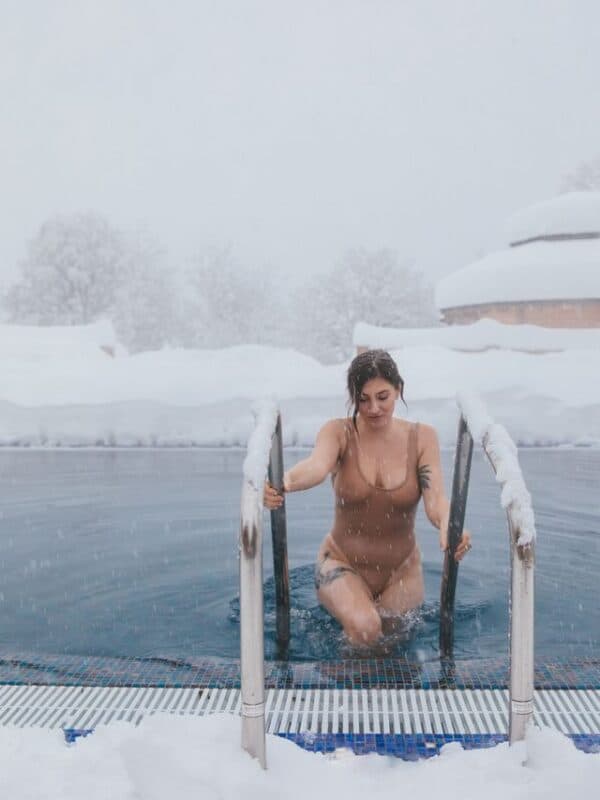
Cold Plunges May Improve Health, but Not Proven Longevity
Cold plunges may sharpen recovery and mood, but the leap to longer life is still unproven. The science is promising, not magical.
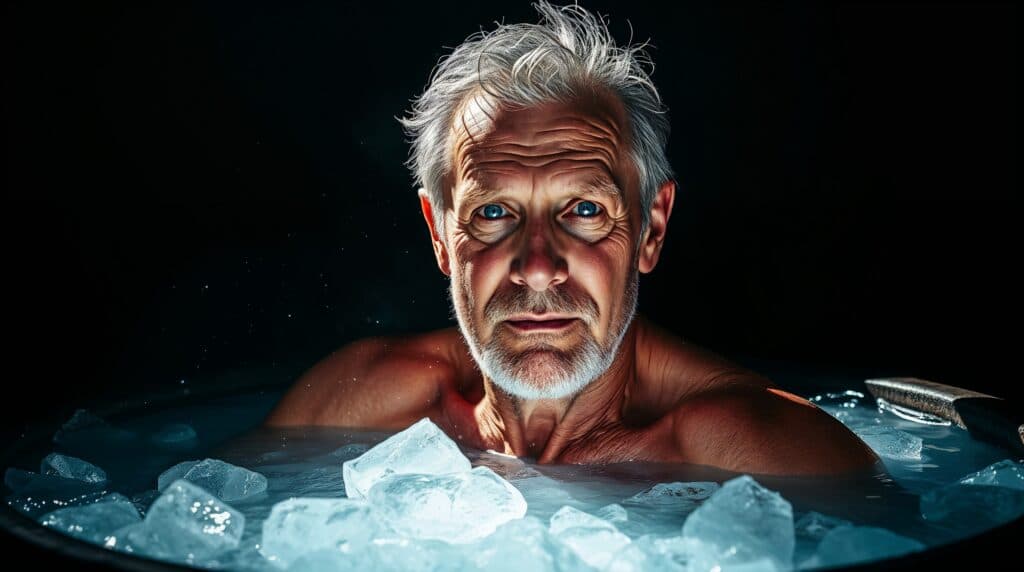
The cold plunge pitch is seductive: step into freezing water, wake up brown fat, calm inflammation, clear your head, and somehow buy yourself more years. That last part is where the marketing outruns the evidence. The best read on the science is not that cold exposure does nothing, but that the jump from short-term biological effects to actual longevity remains much bigger than the wellness world likes to admit.
What the strongest human data actually shows
The most useful check on the hype is a 2025 systematic review and meta-analysis in PLOS ONE, which pulled together 11 randomized trials involving 3,177 healthy adults. In that analysis, cold-water immersion, defined as a cold shower, ice bath, or plunge at 15°C or colder for at least 30 seconds, produced time-dependent effects on inflammation, stress, immunity, sleep quality, and quality of life. That is not a nothingburger. It is enough to justify interest, especially for people using plunges as part of recovery or a broader training routine.
But it is also not proof of longer life. The review can tell you that certain markers and self-reported outcomes shift in the short term. It cannot tell you that a person who plunges will live longer than someone who does not, because no long-term human trial has shown cold therapy directly extends lifespan. That distinction matters, and it is the whole story.
Why the longevity claim keeps getting overstated
The cold plunge world loves to stack plausible mechanisms and let them stand in for proof. Brown fat gets activated, metabolism may change, inflammation may drop, mood may improve, and sleep may get better. Those are real pathways worth studying, but they are still steps on the road to health, not a completed map to a longer life.
Researchers have been circling those pathways for years. A 2024/2025 review in GeroScience, led by researchers including Tara Cain, Jacinta Brinsley, Hunter Bennett, Max Nelson, Carol Maher, and Ben Singh at the University of South Australia in Adelaide, argued that cold water therapy may positively affect cardiometabolic risk factors, stimulate brown adipose tissue, increase energy expenditure, reduce inflammation, and improve mood. The same review was careful to say that definitive interventional evidence is still needed. That is the right level of caution. Promising biology is not the same thing as a proven longevity intervention.
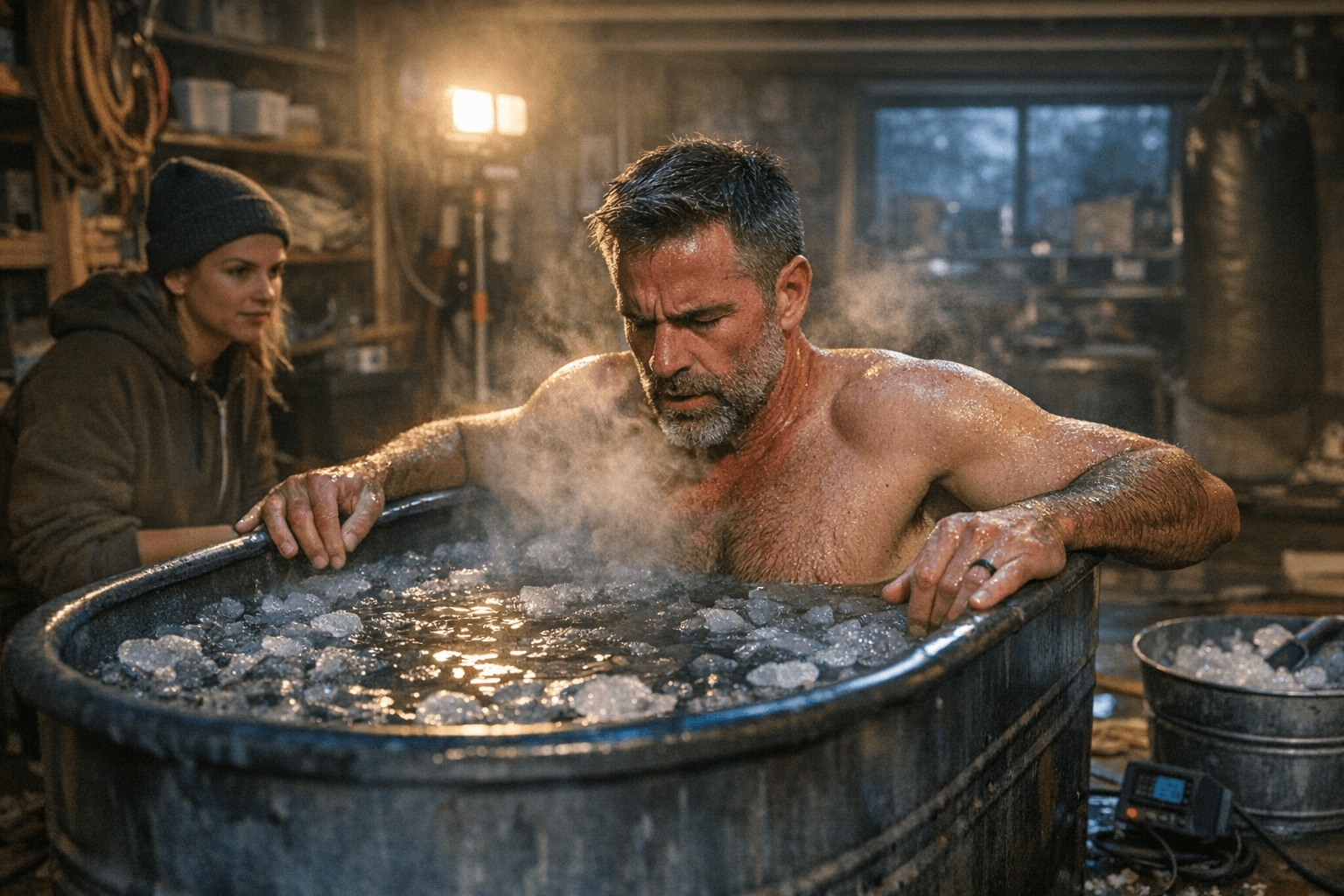
There is also a more specific reason the claims get stretched. Cold exposure can improve glucose handling in controlled settings, which makes it sound metabolically powerful. A 2025 experimental study in young, nonobese adults tested daily brief whole-body immersion in 14°C water and examined glucose tolerance, insulin sensitivity, and resting energy expenditure. That is exactly the kind of study you want if you are trying to figure out whether repeated plunges change metabolism in a meaningful way. It is not the kind of study that can tell you whether you will add years to your life.
The mood and recovery effect is real, and that is probably why people keep doing it
If you have spent any time around cold plunges, you already know the selling point is not just numbers on a lab sheet. People come out of the water talking about clarity, alertness, and feeling oddly resilient. That is not imaginary. The GeroScience review says evidence, mostly from small interventional studies, suggests effects on sleep, recovery, alertness, and mood, and the 2025 PLOS ONE analysis found benefits that reach into quality of life.
That is also why cold plunging has moved beyond athlete circles and into mainstream wellness. The PLOS ONE review frames cold-water immersion as something popular among the general public, not just the hardcore training crowd. Once a practice becomes a daily ritual for regular people, the story shifts from performance edge to lifestyle habit. That is where the longevity language sneaks in, because a habit that makes you feel better can start to sound like a habit that makes you live longer. The evidence has not caught up with that leap.
Safety is not a side note
The heart is where the reality check gets serious. Harvard Health says the evidence for claimed cold-plunge benefits such as less stress, better sleep, and enhanced immunity is thin, and it warns that people with cardiovascular disease, especially heart rhythm abnormalities, should avoid the practice. The American Heart Association has also warned that cold water immersion can raise blood pressure, and it has pointed to research linking winter swimming with elevated troponin levels, which can signal possible heart muscle stress during prolonged immersion.
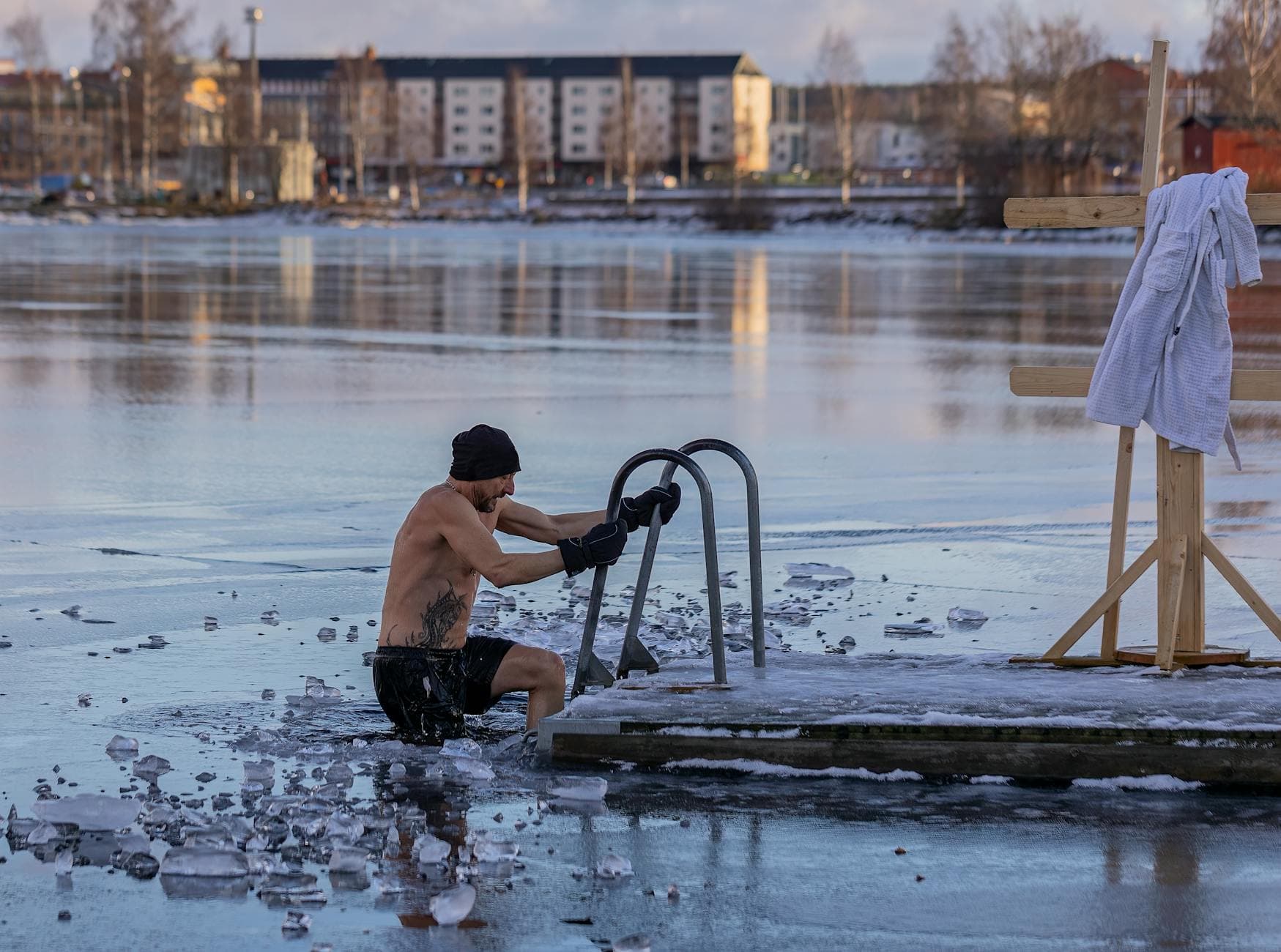
That concern is not theoretical. An Oxford Academic pilot study presented in 2024 examined potential arrhythmogenesis during the Geneva Christmas Cup in Geneva, described as the world’s largest cold-water swimming event. When researchers are studying whether cold water can trigger abnormal heart rhythms in a flagship plunge event, that should tell you the risk conversation is still very much alive. Cold water is a stressor, and for some people that stress is exactly the problem.
How to read the science without falling for the hype
The cleanest way to think about cold plunges is as a conditioning and recovery habit, not a longevity hack. Shorter, regular, moderate exposure appears safer and more effective than dramatic one-off ice baths. The extreme visuals make for better social media, but they are not automatically better for your body.
A practical read of the evidence looks like this:
- Expect possible benefits in mood, alertness, recovery, and some inflammation-related markers.
- Treat improvements in sleep, stress response, and quality of life as plausible, not guaranteed.
- Use cold exposure as a tool, not a cure.
- Skip it if you have heart disease, arrhythmias, or uncontrolled blood pressure.
- Do not confuse feeling energized after a plunge with proof of longer life.
That is the sober version the industry often skips. Cold exposure is interesting because it does something measurable, not because it has been shown to rewrite the lifespan script. If you want the honest verdict, it is this: cold plunges may improve health, especially in the short term, but they are not yet a proven path to longevity.
This article was produced by Prism’s automated news system from verified source data, official records, and press releases, then run through automated quality and moderation checks before publishing. The system is built and supervised by the people who set the standards it runs under. Read our full AI policy.
Did this article answer your question?