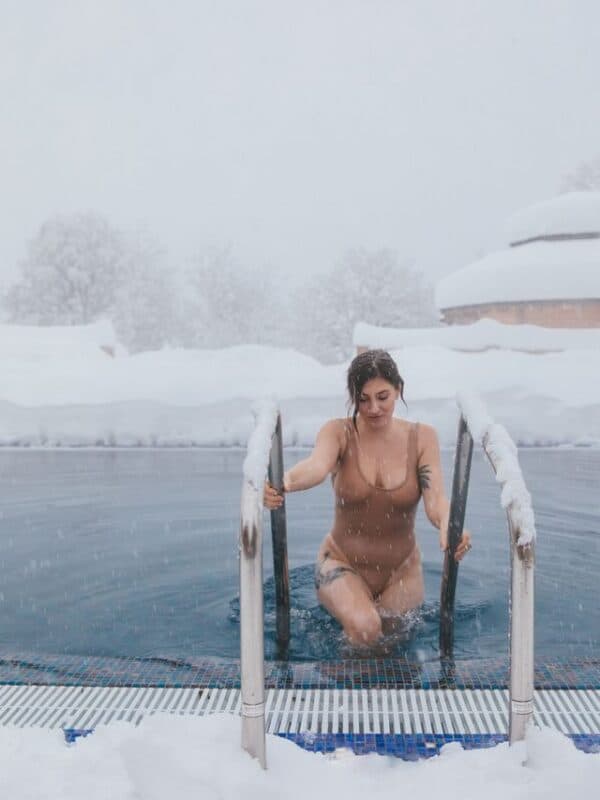
Cold-water immersion may boost cell repair, reduce inflammation, Ottawa study finds
A seven-day, 14°C plunge changed cell-cleanup and inflammation markers in Ottawa, but the protocol was far more intense than a casual ice bath.
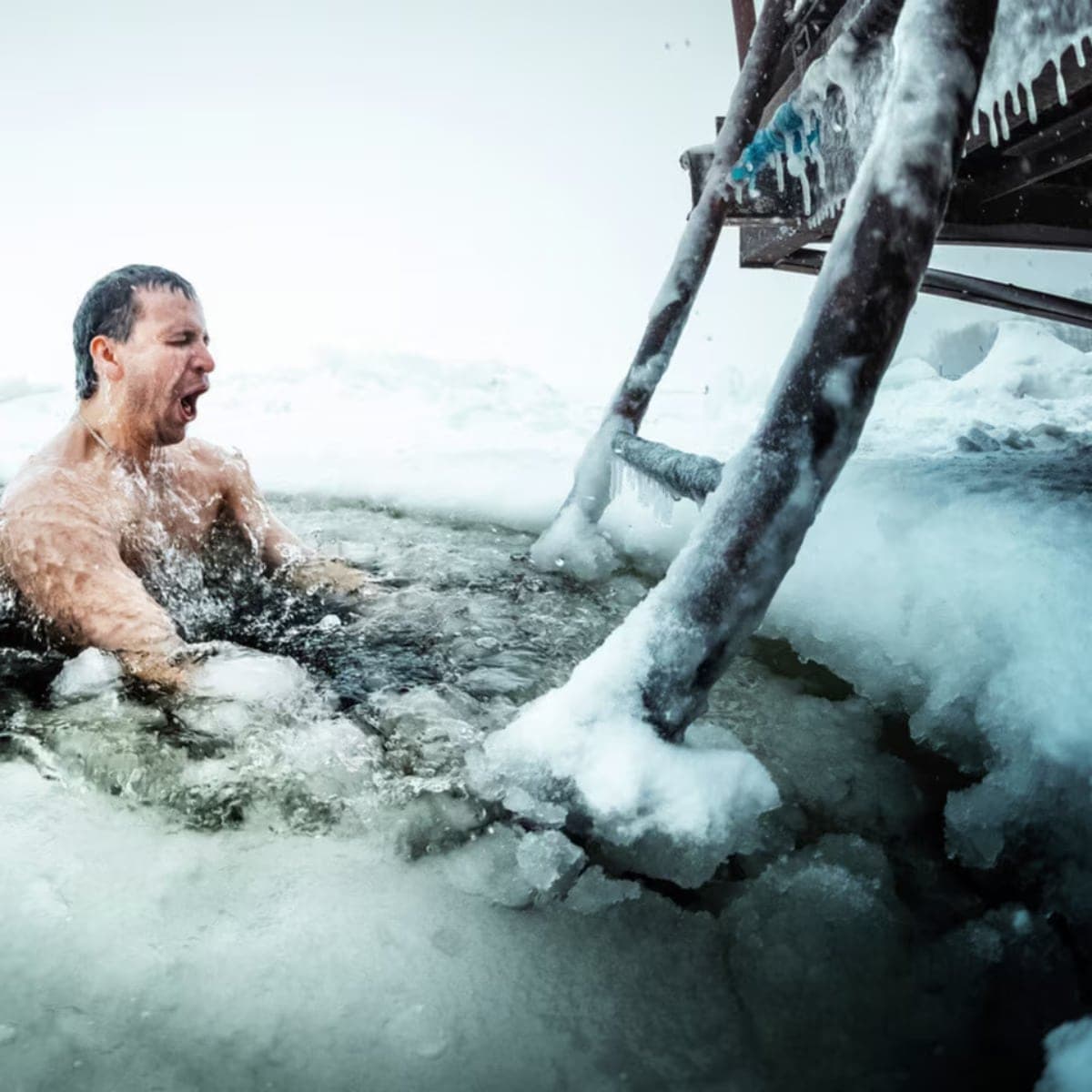
A daily 14°C plunge for seven straight days did more than jolt the volunteers awake. In a University of Ottawa study led by Kelli King and Glen Kenny at the Human and Environmental Physiology Research Unit, researchers found changes in cellular signals tied to autophagy, the body’s cleanup process, along with lower inflammation markers and less cell death.
The study involved 10 healthy young males who spent one hour a day in 14°C, or 57.2°F, water for a full week. Blood samples taken before and after the acclimation period showed that moderate cold stress increased autophagic and heat shock protein activity in young males, while higher cold stress pushed the other way and increased apoptosis, the process of cell death. The same paper found that older males showed minimal autophagic activation and higher apoptotic and inflammatory proteins, a sign that age may change how the body tolerates cold.
That distinction matters for anyone using ice baths at home. This was not a quick dip after a workout or a social-media-style plunge meant to chase a mood boost. It was a tightly controlled exposure, repeated daily, long enough for the body to adapt. The question the Ottawa work raises is not whether cold feels intense, but whether sustained exposure may trigger deeper biological changes that go beyond temporary soreness relief.
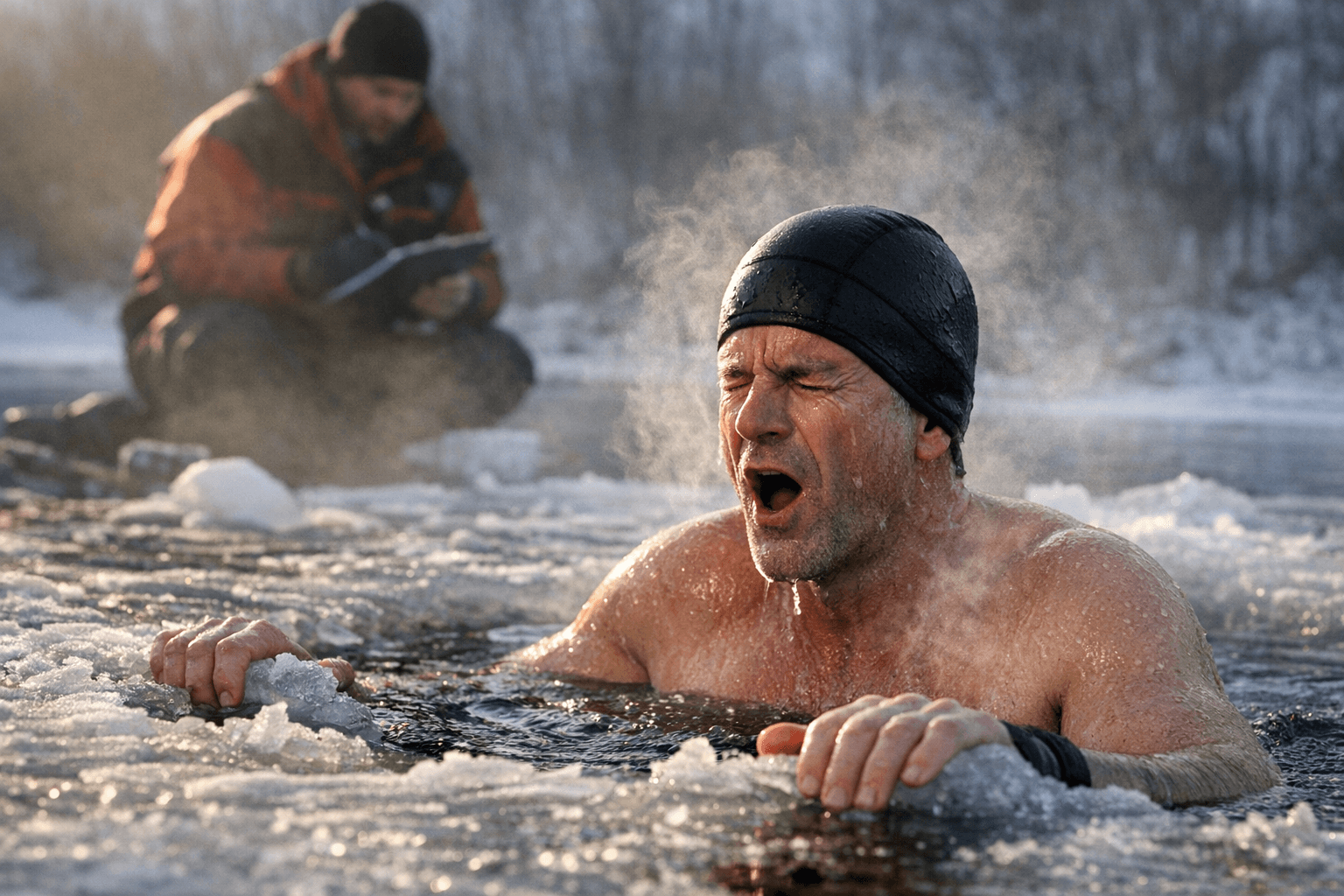
The research, published in Advanced Biology and indexed on PubMed under the title Temperature-Dependent Relationship of Autophagy and Apoptotic Signaling During Cold-Water Immersion in Young and Older Males, fits into a field that is still sorting out its boundaries. A 2022 review in the International Journal of Circumpolar Health found 104 relevant studies on voluntary cold-water immersion in humans. A 2025 PLOS One systematic review and meta-analysis included 11 randomized trials with 3,177 total participants, but it also showed how uneven the evidence remains: study temperatures ranged from 7°C to 15°C, session lengths ran from 30 seconds to 2 hours, and the sample pool was heavily male-dominated.
That is why the Ottawa findings are intriguing without being a license to oversell cold-water immersion as proven cell therapy. The data point to a real biological response, especially under a structured seven-day protocol, but they do not yet justify broad claims for older adults, women, or the typical backyard plunge. For the ice bath community, the takeaway is sharper than the hype: the science is starting to show what repeated cold exposure may do inside the body, but the leap from laboratory markers to everyday recovery practice is still a big one.
This article was produced by Prism’s automated news system from verified source data, official records, and press releases, then run through automated quality and moderation checks before publishing. The system is built and supervised by the people who set the standards it runs under. Read our full AI policy.
Did this article answer your question?