Train Adapt touts North Miami cold plunge as integrated recovery hub
ADAPT is selling cold plunge like a training utility, not a dare: one roof, one recovery loop, and a price tag that starts at $125 a month.
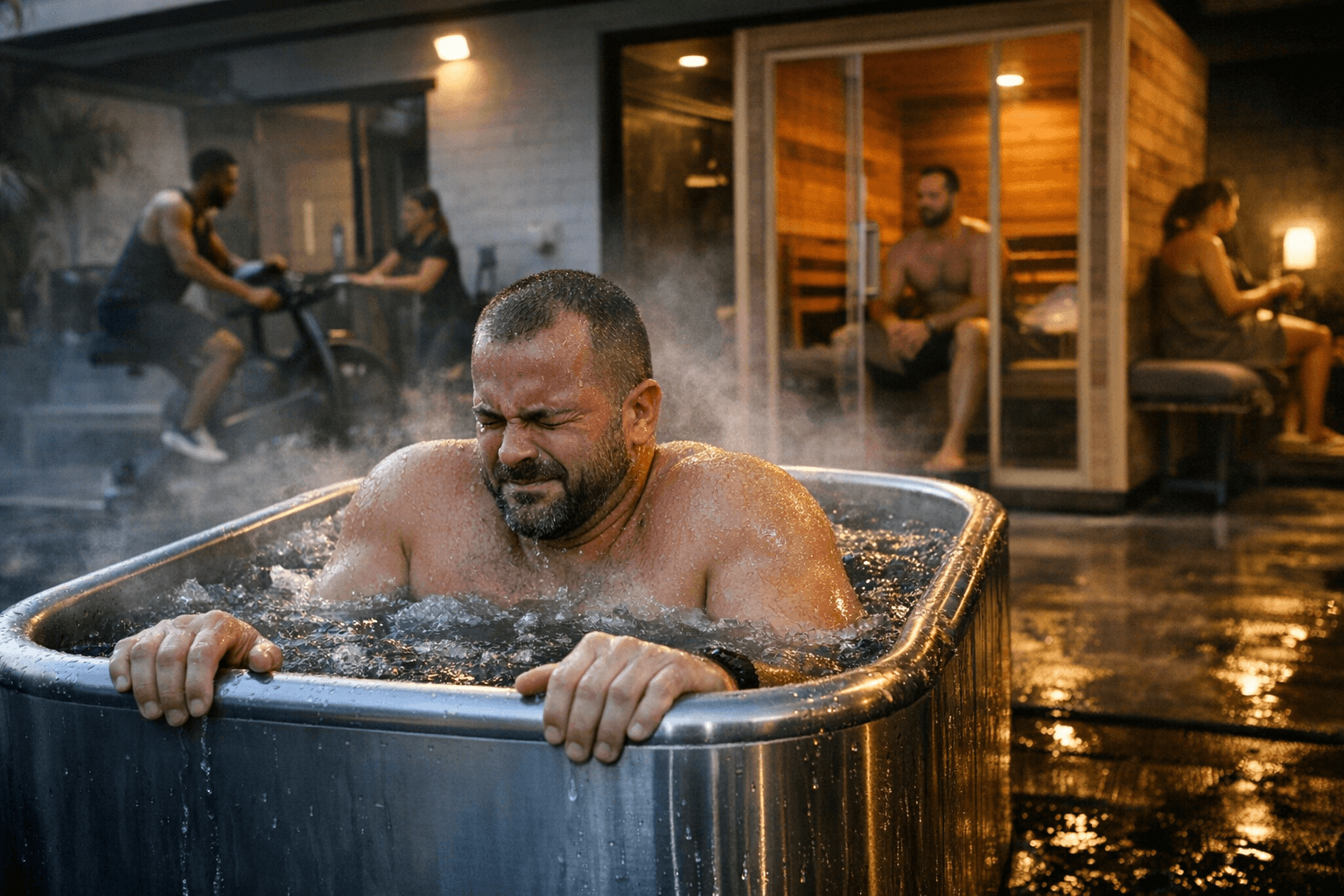
What ADAPT is actually selling
ADAPT is not pitching a lonely ice tub tucked beside a row of treadmills. Train Adapt frames the North Miami setup as a full recovery campus inside a 40,000-square-foot wellness facility, with a state-of-the-art cold plunge sitting beside sauna access, strength and conditioning, sport courts, group fitness, personal training, and indoor basketball and volleyball. The whole point is frictionless recovery: train hard, step into the cold plunge, and stay inside the same building while the session resets you.
That matters because a lot of cold-plunge marketing still leans on spectacle. ADAPT’s version is more practical and, frankly, more commercial: it sells cold exposure as one piece of a larger routine where performance, stress relief, and repeatability can all live under one roof. In a city like North Miami, where gym culture and spa culture blur together fast, that integrated setup is the differentiator.
How the recovery loop is supposed to work
The cleanest way to understand ADAPT’s pitch is to picture the post-workout handoff. Train Adapt says members can move directly from HIIT, strength training, group fitness, or sport-court work into sauna and cold plunge without leaving the facility, which turns recovery into the tail end of training instead of a separate errand. That is a big reason these places are getting traction with serious exercisers: when the plunge lives next to the lift, it is much easier to make it part of the weekly plan.
The spa pages push the same idea in plainer terms, describing unlimited sauna and cold plunge access with memberships. That framing is important because it tells you what kind of buyer Train Adapt wants: someone who will come back often enough that the value is in routine, not in a one-time novelty dip. If you only want the adrenaline hit of a cold soak once in a while, this is overbuilt. If you want a reset after training, it starts to make sense.
What it costs to use it
This is where the story shifts from wellness language to actual decision-making. Train Adapt’s public pricing page lists a Fun plan at $125, a Motivated plan at $199, and notes a 6-month contract, which means the cold plunge is being sold as part of a broader membership stack rather than a cheap drop-in gimmick. In other words, the real question is not whether one plunge feels good, it is whether you will use the whole recovery ecosystem enough to justify the monthly spend.
That pricing also changes how you should think about the facility. At $125 a month on the low end, this is not competing with an occasional wellness splurge; it is competing with other gyms, other recovery clubs, and the very real hassle of building a home setup. For the right user, that bundled access is the point. For everyone else, it is an expensive way to buy a five-minute shock of cold water.
Who actually gets enough value to make it routine
The strongest fit here is the person who already trains like recovery matters. ADAPT’s own framing targets serious training, busy professionals, athletes, and wellness consumers who want measurable recovery benefits without cobbling together a DIY system, and the facility mix makes that clear: lifting, HIIT, courts, and group classes all feed into the same reset loop. If your week includes strength sessions, basketball runs, or hard conditioning, the cold plunge stops being a luxury and starts being a tool.
The less obvious fit is the person who values consistency over drama. A cold plunge only becomes a habit when it is easy to reach, easy to repeat, and tied to something you already do on a schedule. ADAPT’s model works because it removes the usual excuses, no separate trip, no home tub, no setup ritual, just finish training and walk to the recovery side of the building. That convenience is what turns a wellness feature into infrastructure.
Where the science and safety land
The science behind cold water immersion is real, but it is not a blank check. The American College of Sports Medicine says cold water immersion is the most studied cryotherapy application and a common post-recovery modality at all competition levels, yet it also treats the topic as evolving, with evidence that is not uniform. Recent review work backs that up, showing that protocol details and dose still matter and that the best approach is not settled across training types.
That uncertainty is exactly why the safety piece matters. Mayo Clinic warns that immersion in cold water can cause hypothermia, which can become life-threatening if untreated, and says exhausted or dehydrated people are at higher risk. So even if the North Miami setup is polished and athlete-friendly, it still belongs in the same category as any serious recovery tool: useful when used with judgment, risky when treated like a stunt.
The bottom line
ADAPT’s North Miami cold plunge looks less like wellness theater and more like a recovery system built for people who will actually use it. The facility differentiates itself by bundling cold plunge, sauna, courts, and training into one 40,000-square-foot campus, and the pricing shows it is meant to live inside a real routine, not as an occasional add-on. For athletes and heavy trainers, that integration is the whole value proposition; for casual dabblers, the pitch is a little too complete for the amount of cold exposure they are likely to buy.
This article was produced by Prism’s automated news system from verified source data, official records, and press releases, then run through automated quality and moderation checks before publishing. The system is built and supervised by the people who set the standards it runs under. Read our full AI policy.
Did this article answer your question?