British Columbia’s glacier-fed cold plunges draw wellness seekers into icy mountains
In B.C., the real cold-plunge flex is a 4 C glacier-fed river, not a spa tub, and the mountains have turned authenticity into the new status signal.
Why the mountain plunge beats the spa tub
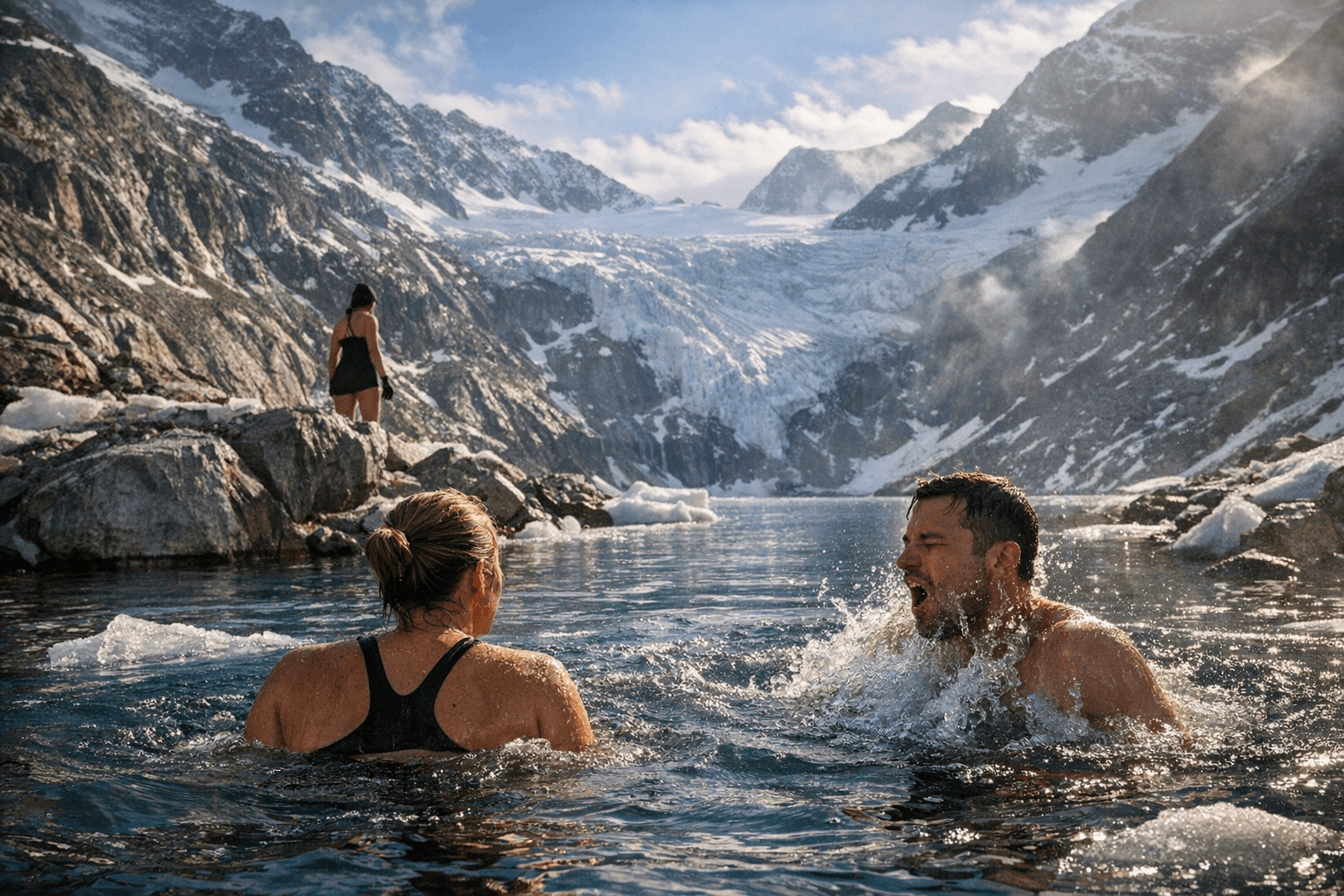
British Columbia’s sharpest cold plunge is not the polished one with cedar walls and a booking window. It is a glacier-fed river or lake, the kind of water that stays near 4 C even in the dead of summer because it is fed by ice that has been frozen for centuries. That temperature is the whole point: the shock is real, the setting is real, and the brag is not about comfort.
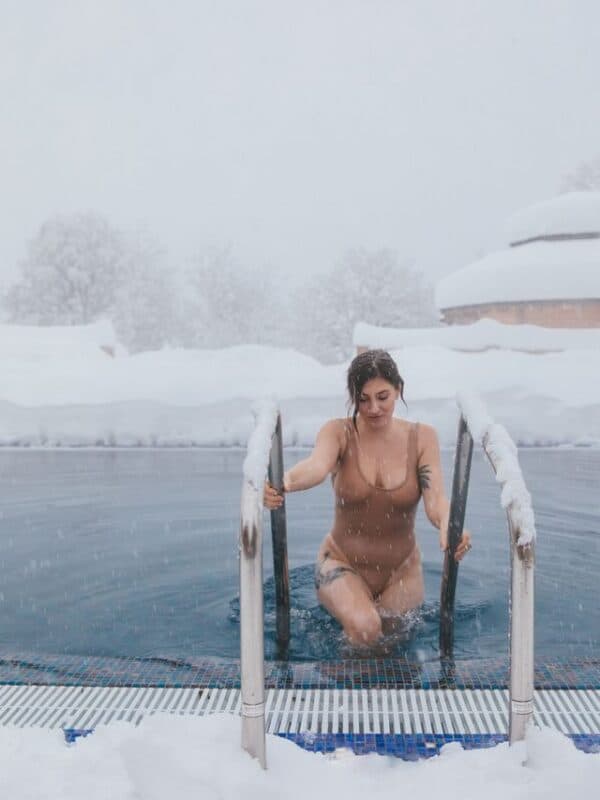
That is why people keep chasing the natural version instead of just booking a spa tub. A commercial plunge can be tidy and predictable, but the mountain version comes with ice-cold water, rock, runoff, and the feeling that you are taking part in something bigger than a treatment slot. In B.C., authenticity has become part of the wellness appeal.
What the cold is actually supposed to do
Cold water immersion has been part of recovery culture for decades, especially among high-level athletes who used it to bounce back after hard training. More recently, it has been pulled into the mainstream and linked to stress relief and a lift in mood, which is part of why it now shows up in wellness conversations far beyond sport. The claims have expanded from recovery into reduced inflammation, better immunity, and mental-health benefits.
That said, the science is still debated, and that matters if you are deciding what to spend time and money on. Cold plunging is not a miracle fix, and it should not be treated like one just because it is trending. The practical read is simpler: people are using it because it feels intense, controlled, and restorative, even if the bigger health promises remain unsettled.
The practical lens: access, price, and temperature reality
The clearest difference between a glacier-fed plunge and a commercial one is access. In and around Vancouver, you can cold plunge in the ocean or a lake, or pay for a specialized Nordic-style spa or a luxury fitness centre. In mountain tourism areas such as Banff National Park and Lake Louise, the package often blends glacier views, hot pools, and contrast-style wellness into the same trip.
If you are choosing between natural and commercial cold plunges, think in four straight lines:
- Access: the ocean and local lakes can be free, while Nordic-style spas and luxury fitness centres turn the same ritual into a paid service.
- Temperature reality: glacier-fed water in B.C. can stay around 4 C even in summer, which is a different experience from a managed spa pool.
- Risk: the wilderness version adds weather, terrain, and timing into the equation.
- Atmosphere: the spa is controlled, but the mountain plunge feels earned.
That last point is the one most people are actually chasing. A commercial tub gives you convenience; a glacier-fed river gives you a story, and in this scene that story is part of the value.
How the scene spread from athletes to social feeds
Cold plunging did not start as a social-media spectacle. It lived for years in sports and recovery circles before it crossed into everyday wellness, then into the kind of ritual people post, save, and repeat. CBC News has tracked how the practice entered the mainstream in recent years, and in B.C. the social layer has mattered almost as much as the water temperature itself.
Local groups like Cold Plunge Crew have used social media to organize regular meetups at swimming holes and river spots, turning what could be a private dare into a recurring community habit. Names like Mia Gordon, Juno Parlange, Anja, and Meagan Huibers reflect how personal the scene has become: it is less about abstract wellness branding and more about showing up with other people who want the same jolt. That is also why the trend travels so well online. A frozen river reads better than a marble spa because it looks like something you had to earn.
Why the backcountry version needs real caution
The mountain setting is beautiful, but it is not forgiving. BC Parks warns that winter conditions can bring snow, ice, avalanches, shorter days, and hypothermia, all of which turn a simple dip into a trip that needs planning. The colder and more remote the plunge, the more the exit matters, because the problem is often not the water itself but everything that happens after you get out.
This is also why Destination Vancouver recommends doing it with a friend or a group. That advice is not there to make the experience social, it is there because cold exposure in the wrong conditions can go sideways fast, especially when access trails, changing weather, and daylight all shrink at once. In the backcountry, the hard part is not finding the water. It is making sure you can get to it, out of it, and home without turning a wellness ritual into a rescue call.
What B.C. is really selling
British Columbia’s glacier-fed plunges reveal a bigger shift in wellness culture: the most desirable cold exposure is no longer the most polished one, it is the most authentic one. The spa still has its place, especially when you want control, warmth nearby, and an easy entry point. But in B.C., the real status signal is the opposite of luxury theater. It is standing in a river fed by ancient ice, taking the hit, and knowing the mountains are doing the rest.
This article was produced by Prism’s automated news system from verified source data, official records, and press releases, then run through automated quality and moderation checks before publishing. The system is built and supervised by the people who set the standards it runs under. Read our full AI policy.
Did this article answer your question?