Experts say cold plunges don’t harm women’s hormones, evidence shows
The hormone panic around cold plunges is running ahead of the science. The best data so far points to limited evidence of harm, real safety risks, and possible symptom relief for some women.
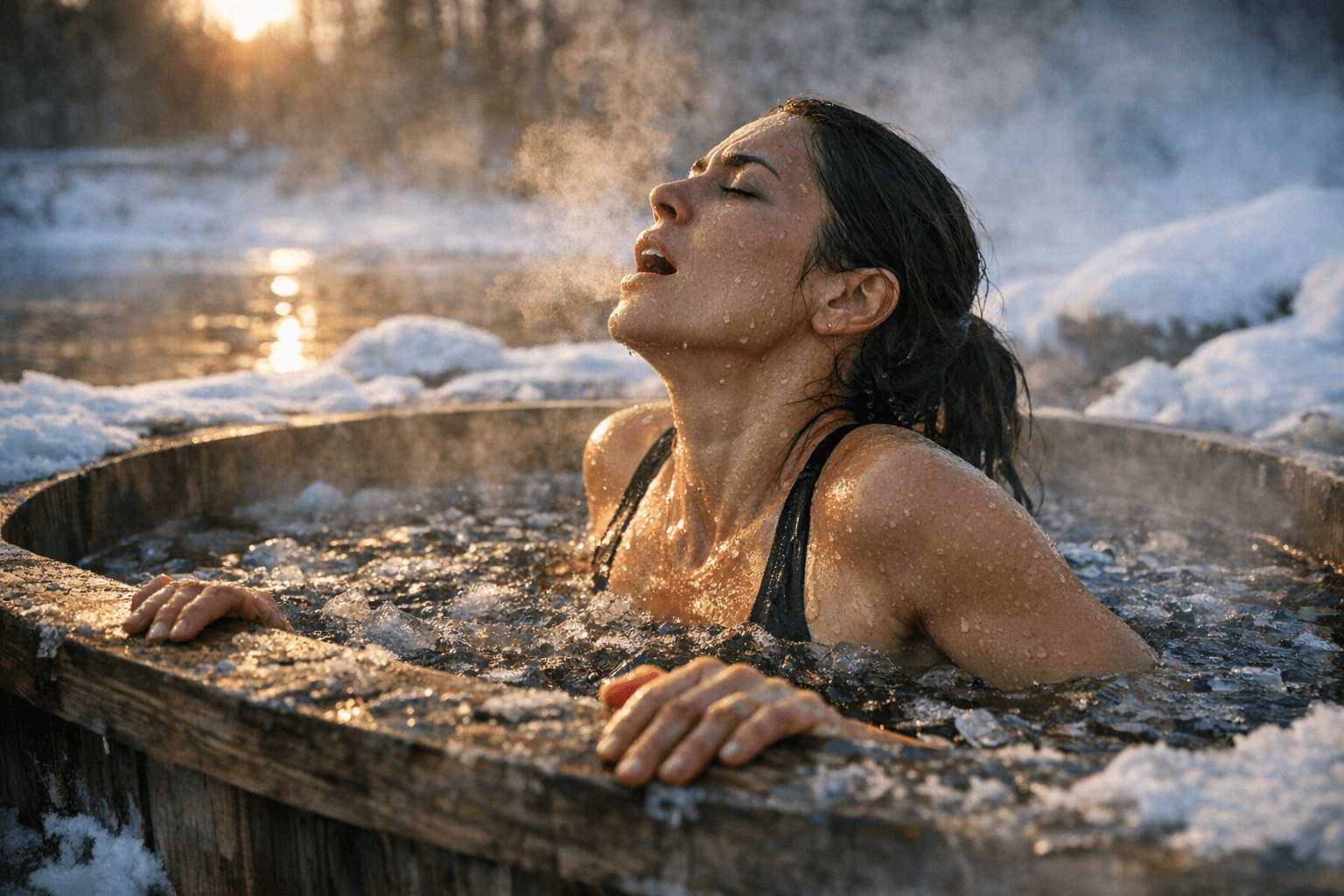
The hormone question has a louder reputation than the evidence
Cold plunges have picked up a second life in women’s wellness circles, where every tub, bucket, and chest-deep lake dip seems to come with a warning about hormones. The evidence does not support that fear. The clearest message from the current research is simpler: ordinary, brief cold exposure has not been shown to damage women’s hormone health, even if the internet keeps treating every plunge like the same thing as extreme cold stress.
That distinction matters. A fast plunge into cold water is not the same as prolonged exposure that pushes the body toward hypothermia. The science keeps separating those two experiences, while online advice often mashes them together into one scary story. Women do not appear to need a special hormone-only warning label for cold plunging, but they do need a realistic understanding of what the body is actually responding to.
What the studies do and do not show
The biggest limitation in the cold-plunge literature is not a dramatic warning signal, but the lack of clean, conclusive data. A 2022 review of voluntary cold-water immersion identified 104 relevant human studies, yet clear conclusions were held back by small samples, single-gender designs, and inconsistent exposure conditions. In other words, the research base is real, but it is fragmented.
Even so, the broad picture is not empty. That same review suggested cold-water immersion may reduce body adipose tissue and improve insulin sensitivity, but it stopped short of claiming those effects are settled. A separate 2025 analysis summarized by Harvard Health looked at 11 studies and found that cold-water therapy may temporarily lower stress, improve sleep quality, and slightly improve quality of life. At the same time, there was little evidence for better mood or immunity, which is a useful reminder that cold plunge claims often travel faster than results.
The setup in those studies also matters. Most involved chest-deep immersion in water at 59°F or lower for three to 20 minutes. One study looked at cold showers lasting 30 to 90 seconds for a month. That is a wide range of exposures, and it helps explain why women asking whether one short plunge will “mess up” hormones are often really asking a question the research has not tested in a neat, direct way.
Why women may feel the cold differently
Part of the confusion comes from sensation, not necessarily biology. A 2021 review in *Temperature* found that estradiol and progesterone influence thermoregulation, and that core body temperature rises by about 0.5°C during the luteal phase. That means the menstrual cycle can change how warm or cold you feel, which is very different from proving that cold exposure harms your hormones.
The same review also concluded that quantitative sex differences in cold thermoregulation are minimal when body size is accounted for. That aligns with the practical observation cold-plunge regulars already know: smaller bodies often lose heat faster, so women may feel the cold sooner without that meaning their hormonal system is being damaged. François Haman, a biology professor at the University of Ottawa, argues that the fear of hormone harm comes from nothing, and Kelli McCormick, a post-doctoral fellow who studies cold exposure, says there is no data showing that women are uniquely vulnerable in cold water.
What women report in real life
The strongest women-specific human data so far points away from panic and toward symptom relief, at least in self-reported experience. In a 2024 survey led by researchers at University College London and the University of Portsmouth, 1,114 women who regularly cold-water swam reported changes that were strikingly practical, not abstract.
Among menopausal respondents, 46.9% reported improvement in anxiety, 34.5% in mood swings, 31.1% in low mood, and 30.3% in hot flushes. Among women with menstrual symptoms, 46.7% reported improvement in anxiety, 37.7% in mood swings, and 37.6% in irritability. Most of the women in the survey were not cold plunging for sport or status either. They were swimming specifically to reduce symptoms, with 56.4% doing so for period symptoms and 63.3% for perimenopause symptoms.
That does not prove a hormonal mechanism. It does, however, directly challenge the assumption that cold exposure is inherently bad for women’s cycles or menopause experience. If anything, the largest women-focused survey in this space suggests many are using cold water because it feels helpful, not because they are ignoring risk.
Safety is the line that still deserves respect
The real danger is not “cold plunges wreck hormones.” It is that cold water can shock the body fast. The American Heart Association has warned that sudden immersion in water under 60°F can be deadly in less than a minute because of the cold-shock response. It also notes that water pulls heat from the body about 25 times faster than air.
That is why the responsible conversation is about dose, setting, and duration, not fear. A controlled plunge is one thing. A surprise jump into freezing water, especially with no plan, is another. If you already know you are sensitive to cold, if you are pushing exposure longer than you usually do, or if the water is clearly near that under-60°F danger zone, the issue is not your hormones. It is whether the session is still within the range of ordinary recovery practice.
What to take from the evidence before you change your routine
If you plunge regularly and feel good, the current evidence does not give you a reason to stop because of hormone fear alone. There is no robust scientific proof that weekly cold plunges harm women’s hormone health, and the more specific women-focused data available so far trends toward symptom relief, not disruption.
The smarter takeaway is narrower and more useful: keep the exposure brief, treat cold water as a real physiological stressor, and do not confuse a cold-shock emergency with a normal recovery routine. The science is still incomplete, but the best available evidence suggests the cold-plunge question for women is not “Will this wreck my hormones?” It is “How cold, how long, and how safely?”
This article was produced by Prism’s automated news system from verified source data, official records, and press releases, then run through automated quality and moderation checks before publishing. The system is built and supervised by the people who set the standards it runs under. Read our full AI policy.
Did this article answer your question?