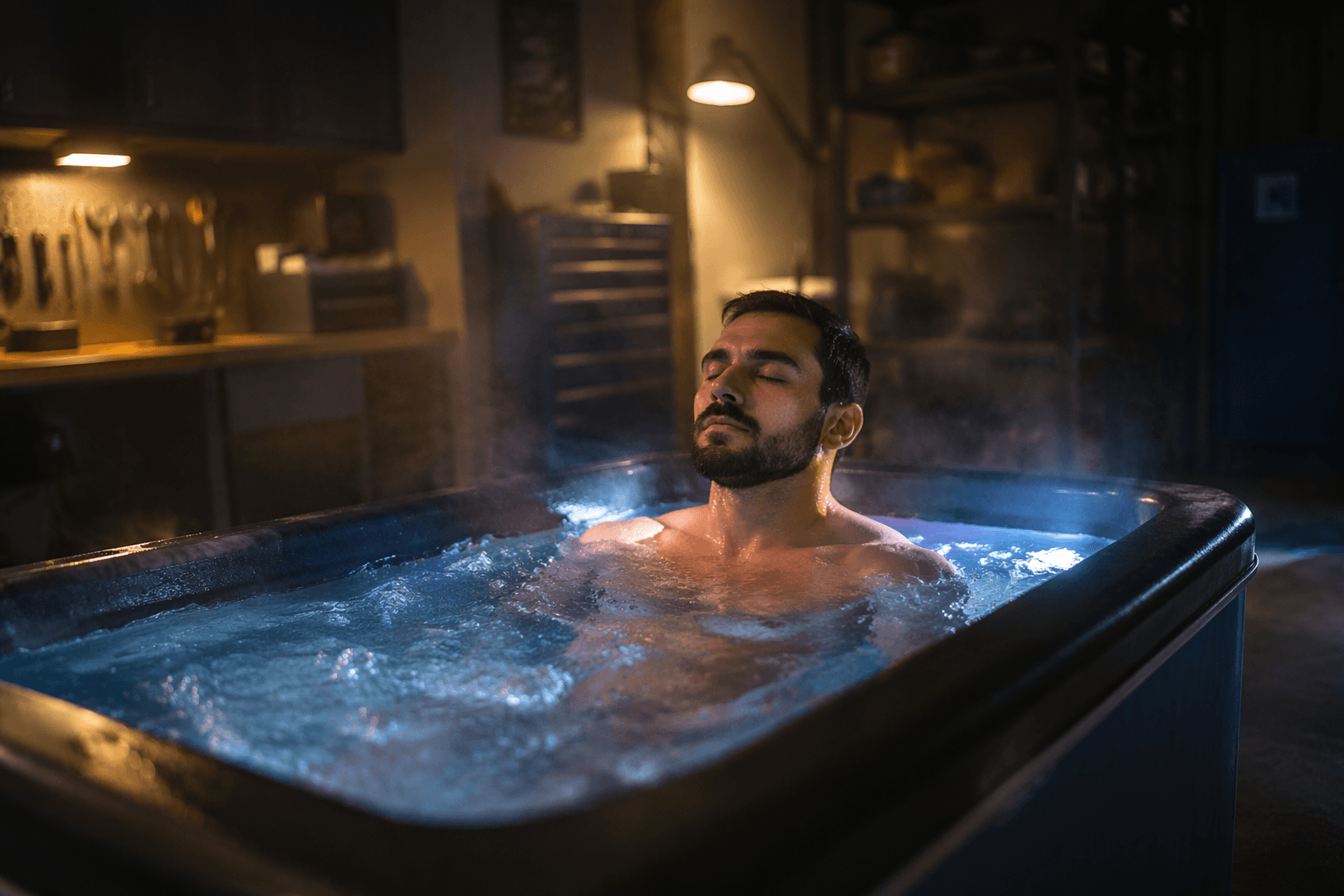
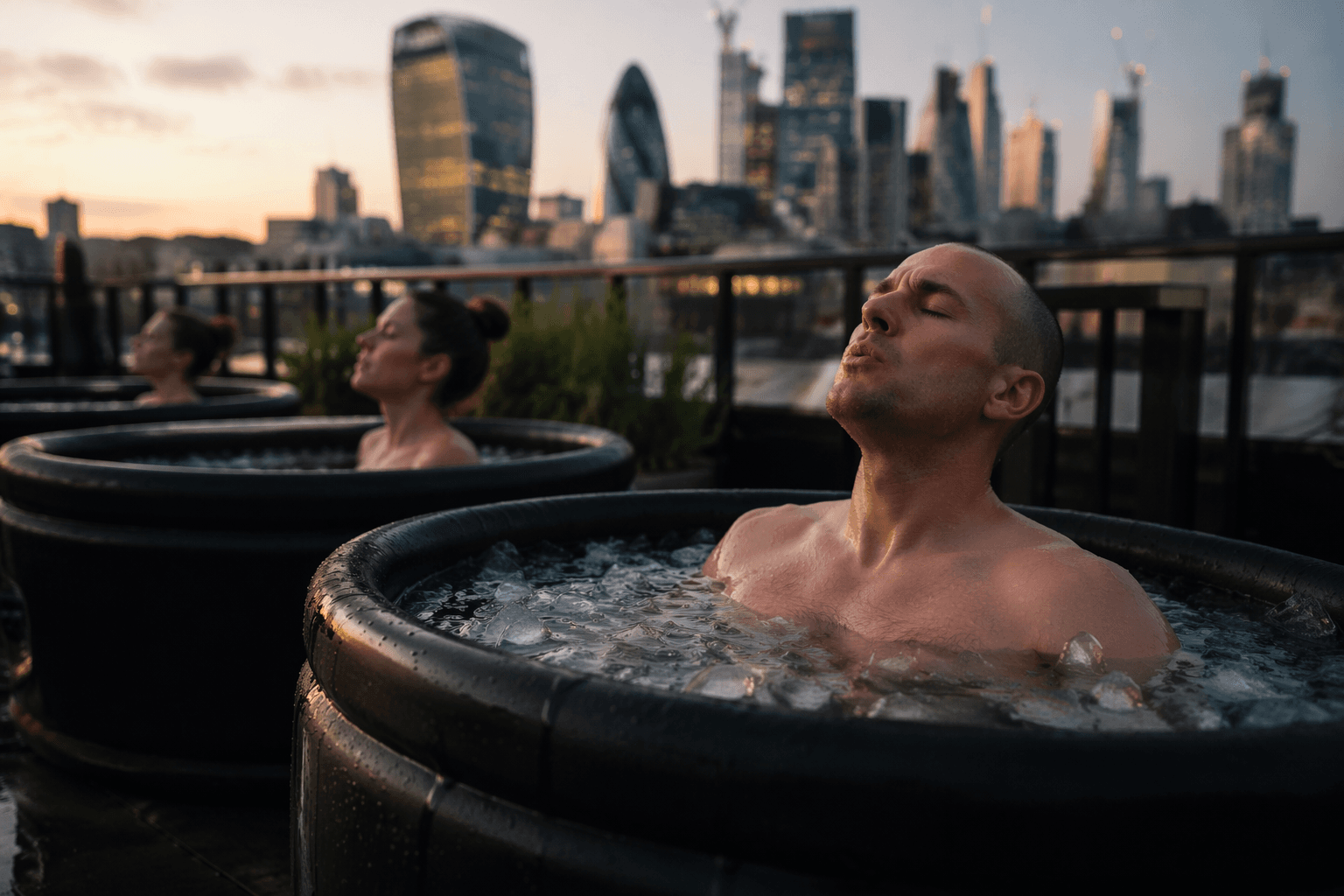
Cold water shock warning as bank holiday heat draws crowds to open water
Warm bank holiday weather drew crowds to open water, but cold water shock could strike below 15C and its first effects typically lasted about 90 seconds.
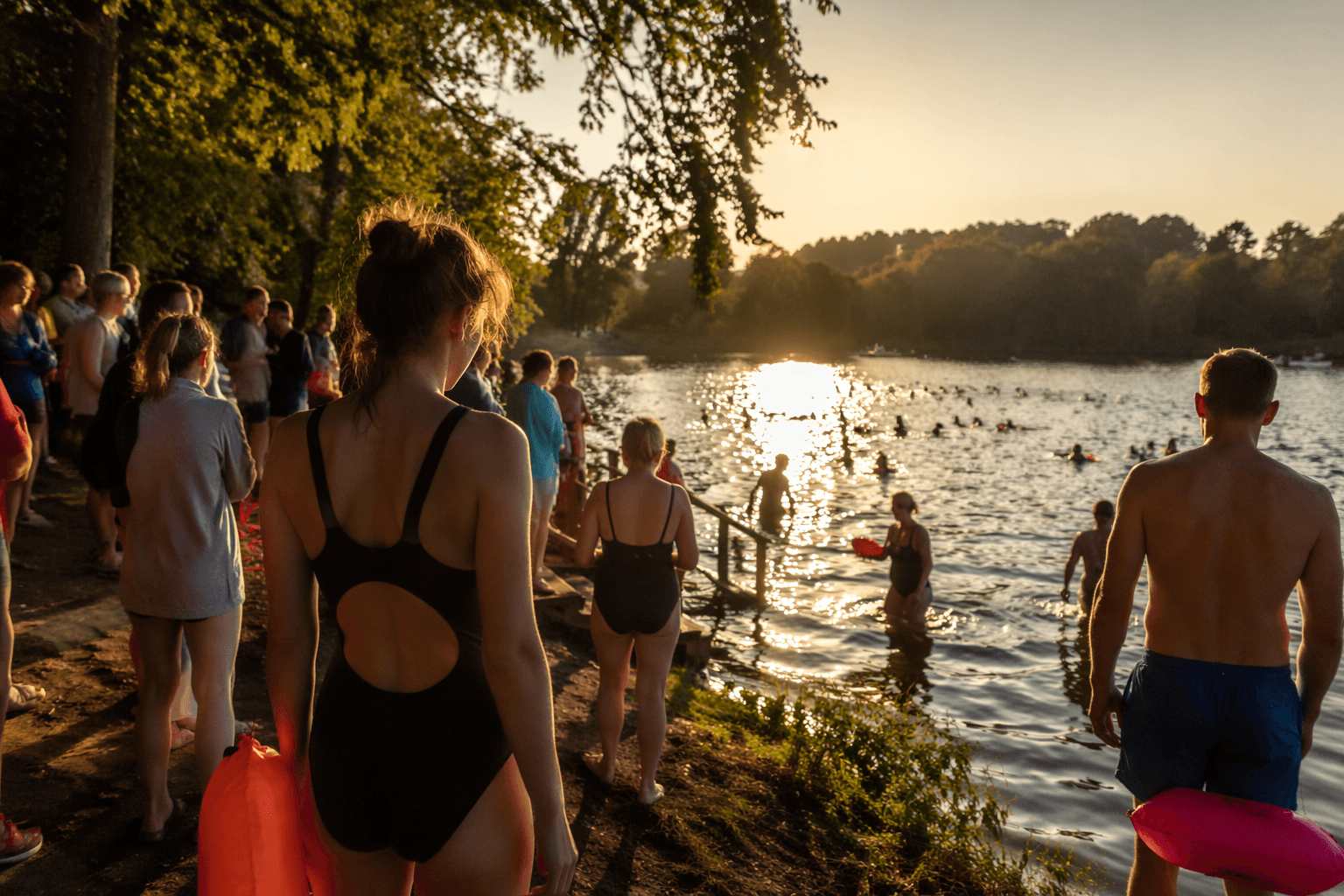
Warm bank holiday weather drew people toward beaches, rivers and reservoirs, but safety agencies warned that the water itself could still be cold enough to trigger shock in seconds. The Met Office said unexpected immersion in water below 15C could cause cold water shock, with the initial effects typically lasting around 90 seconds.
The warning sharpened on 26 May 2026 after the National Fire Chiefs Council said there had been four confirmed drownings of teenagers in inland water over the bank holiday weekend. The council said warm air temperatures could mask dangerously cold water and that cold water shock could affect breathing and movement within seconds, regardless of swimming ability. It also cited Bournemouth University research showing accidental drowning risk was five times higher on days when UK average maximum air temperatures reached or exceeded 25C than on days averaging 10C, with three times as many accidental drowning fatalities on days at 25C or above.
The Royal National Lifeboat Institution urged people to stick to lifeguarded beaches as temperatures rose and more visitors headed for the coast. Yorkshire Water issued its own alert about reservoirs, saying they posed a risk to life through cold water shock, hidden currents, sudden drops, submerged operational equipment and, in some places, sinking mud. It said some sites were looking especially tempting because of low water levels after dry weather, even though calm surfaces could hide serious danger.
Safety advice from the agencies was direct. Enter water slowly if you are going in at all, never jump into open water to cool off, and treat a river, lake or reservoir as something entirely different from a controlled ice bath. If someone is unexpectedly immersed, the RNLI’s Float to Live advice applies: fight the instinct to panic, let the body settle and get help fast. The NFCC also said people should call 999 rather than trying a rescue themselves.
For anyone tempted to swap a planned cold plunge for a beach, river or lake dip, the warning was clear: warm air does not warm the water, and the first minute after entry remained the most dangerous.
This article was produced by Prism’s automated news system from verified source data, official records, and press releases, then run through automated quality and moderation checks before publishing. The system is built and supervised by the people who set the standards it runs under. Read our full AI policy.
Know something we missed? Have a correction or additional information?
Submit a Tip