Londoners embrace ice baths and contrast therapy in wellness boom
London’s ice bath craze is less about macho suffering than routine, recovery and social ritual, with evidence and safety still shaping the rush.
The cold plunge has gone mainstream in London
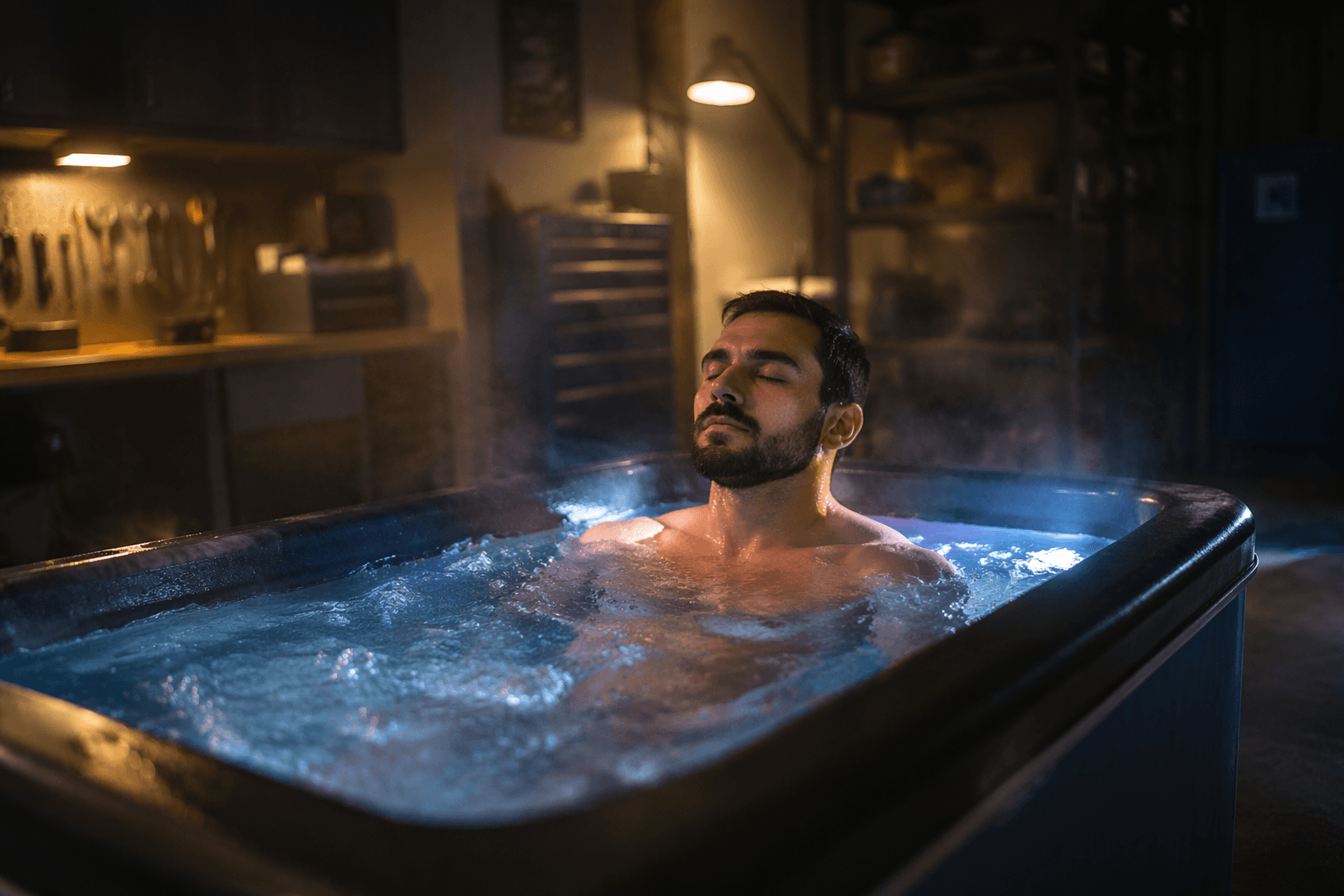
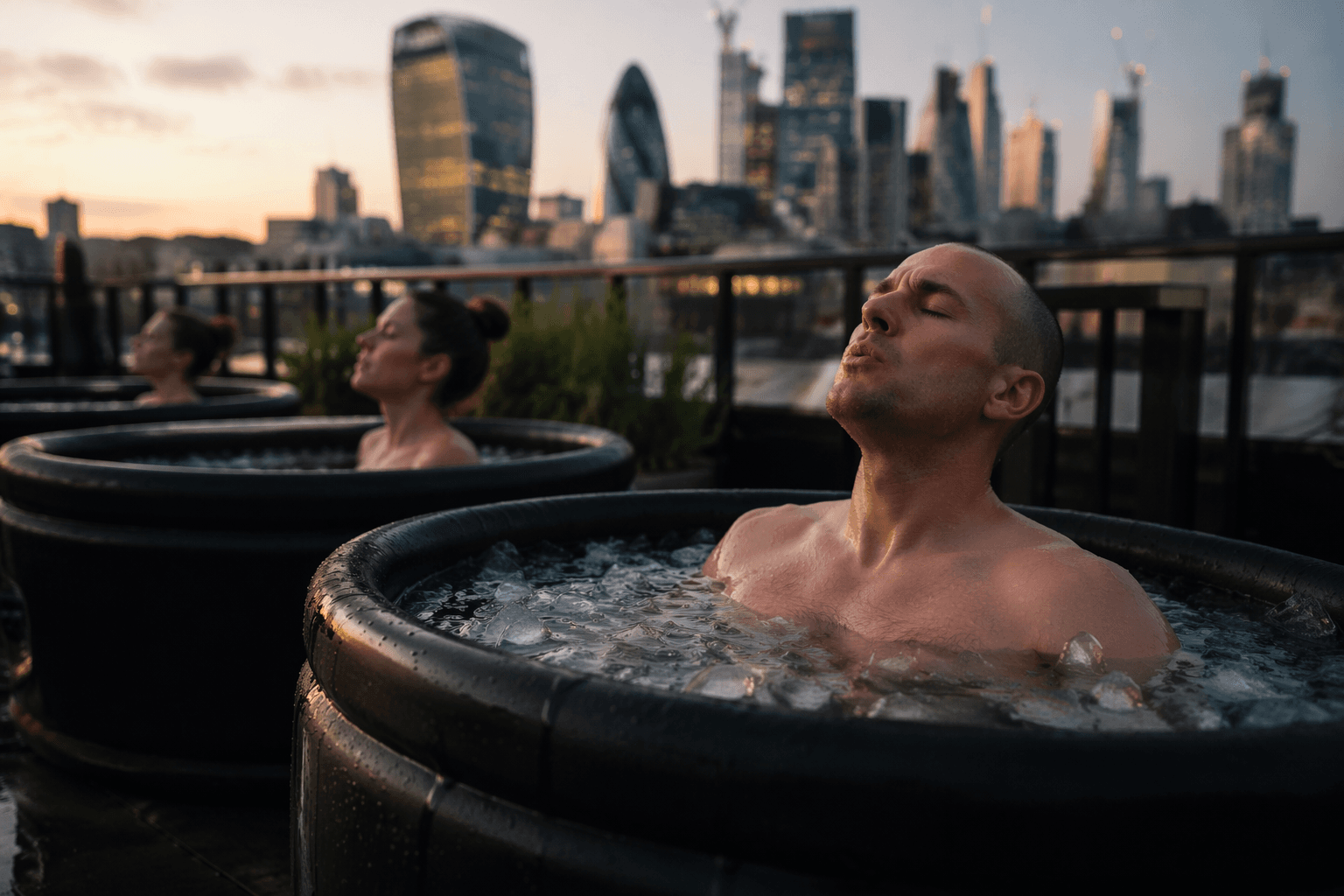
London’s latest wellness fixation is no longer just about surviving the water. Contrast therapy, alternating hot saunas and cold plunges, has become a city habit, and the draw is as much about mood and routine as it is about recovery. The spread of venues from Marylebone to Shoreditch and Canary Wharf shows that this is no niche endurance ritual anymore, but a broad urban habit with real staying power.
The shape of the boom matters. The Standard traced the trend to Ancient Rome’s frigidarium and tepidarium baths, with cultural echoes in Scandinavia, eastern Europe and Japan, which helps explain why the format feels both ancient and newly marketable. In London, the offer now stretches from Rebase in Marylebone and Sauna & Plunge in Shoreditch to The Arc in Canary Wharf, while Slomo’s King’s Cross pop-up returned for a second year and ran until March 2 with two wood-fired saunas, three cold plunge pools and an ice tank.
Why London has bought in
This is not just a performance of toughness. The strongest pull is convenience, because the city has turned a once-specialist practice into something that can fit around work, commuting and after-hours social plans. The Arc’s January 2025 opening is a useful marker here: its amphitheatre-style sauna holds up to 65 people and is described as the largest in the UK, which signals scale, throughput and an operator betting that large numbers of Londoners will keep coming back.
The other side of the market is flexibility. Slomo’s temporary King’s Cross setup shows how the trend works as a city-centre pop-up, aimed at frazzled Londoners who want an easy reset without committing to a full wellness club membership. That mix of permanent premium sites, community-facing spaces and short-term installations suggests the demand is real, but also fragmented, with different users looking for different levels of intensity, cost and social atmosphere.
Recovery culture is driving a lot of the demand
For plenty of users, the appeal begins with the gym. Cold-water immersion is still one of the main recovery methods used in sport, according to a 2021 systematic review and meta-analysis in Sports Medicine, which helps explain why it keeps spreading from athletic circles into mainstream wellness culture. But the same analysis also found that regular use may be harmful to strength-training adaptations and showed no clear effect on endurance performance, which is a reminder that more ice is not automatically more benefit.
That tension is central to the London boom. A lot of people are using cold exposure as a post-workout reset, yet the evidence does not support treating every plunge as a performance upgrade. The more durable use case looks less like extreme recovery theater and more like a repeatable routine, especially when it sits alongside sauna time, a social catch-up, or a weekday decompression ritual.
The mental-health angle is part of the story, but still developing
The wellness case for cold water is not only physical. The Health Research Authority has backed work on sea swimming for depression and anxiety, saying there is emerging evidence that open cold-water swimming could help mood and wellbeing, and the trial is designed to recruit 10 people for eight supervised sea sessions. That is enough to keep the conversation alive, but not enough to turn every plunge into a proven treatment.
Related NHS trust material has also promoted cold-water therapy and outdoor swimming as ways some people seek an endorphin release and pain relief. In practice, that is one reason the trend has moved so far beyond sports performance. People are not just chasing recovery, they are chasing a feeling: the sense of a hard reset, the mood lift, and the social identity that comes with doing something visibly disciplined before breakfast, after work or between meetings.
Safety is the line between wellness and risk
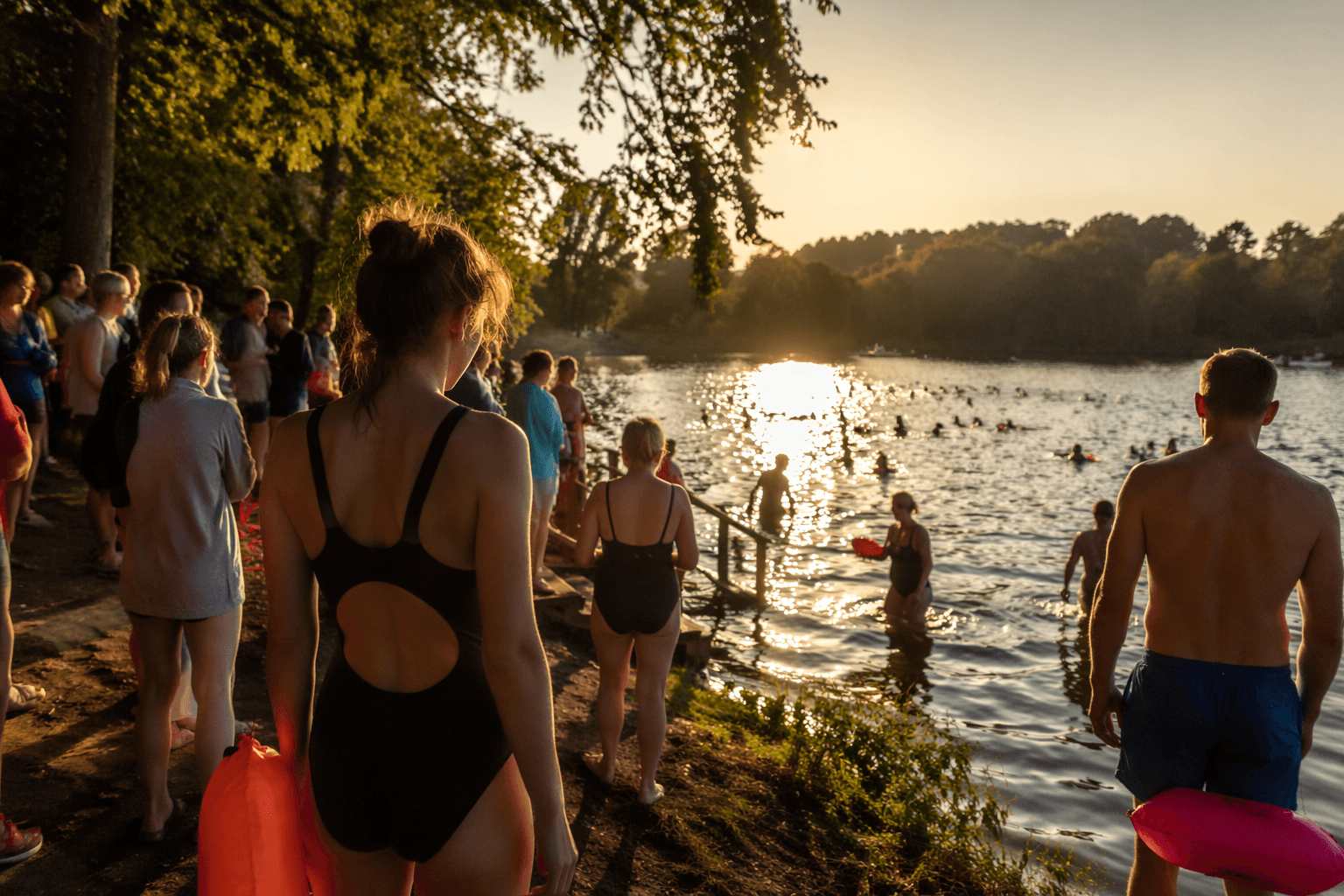
The problem is that the body does not care whether the water is inside a glossy bathhouse or outside in open water. The Met Office says cold water shock can happen when someone is unexpectedly immersed in water below 15C, and the first response can include involuntary gasping, rapid breathing, a spike in heart rate, panic and disorientation. Those initial effects typically last around 90 seconds, which is long enough to turn a casual dip into a dangerous scramble.
The NHS says hypothermia happens when body temperature drops below 35C and can follow a fall into cold water. The RNLI warns that cold water shock can seriously affect a person’s ability to breathe and move, while the Health and Safety Executive says the most immediate danger after falling into water is drowning, which can result from cold-water shock, fatigue or hypothermia if rescue is not immediate. That matters because the polished version of the trend can blur into open-water or plunge-pool activity that still carries the same physiological risks.
A durable habit, with a hype-cycle edge
What London is building looks less like a passing fad than a new wellness layer in the city. Developers and operators are folding hot-and-cold facilities into premium spaces, including office and property projects, while the venues themselves keep widening the tent from upscale bathhouses to community-oriented rooms and temporary installations. That breadth is the clearest sign that the market is finding more than one kind of buyer.
Still, the boom is not pure proof of belief. Some of the demand is clearly real, rooted in recovery, routine and a search for mental clarity. Some of it is social signaling, the kind of wellness behaviour that photographs well and feels current. London’s cold-therapy scene is probably durable because it serves both, but its next phase will belong to the venues that make it easy to return, and to the users who remember that the most impressive part of a plunge is not how cold it looks, but how safely and consistently it fits into the week.
This article was produced by Prism’s automated news system from verified source data, official records, and press releases, then run through automated quality and moderation checks before publishing. The system is built and supervised by the people who set the standards it runs under. Read our full AI policy.
Know something we missed? Have a correction or additional information?
Submit a Tip