Cryotherapy vs. Cold Plunge: Key Differences Every Ice Bath Enthusiast Should Know
Air vs. water: the distinction separating cryotherapy from cold plunging is smaller than you'd think, but the physiological gap is massive.
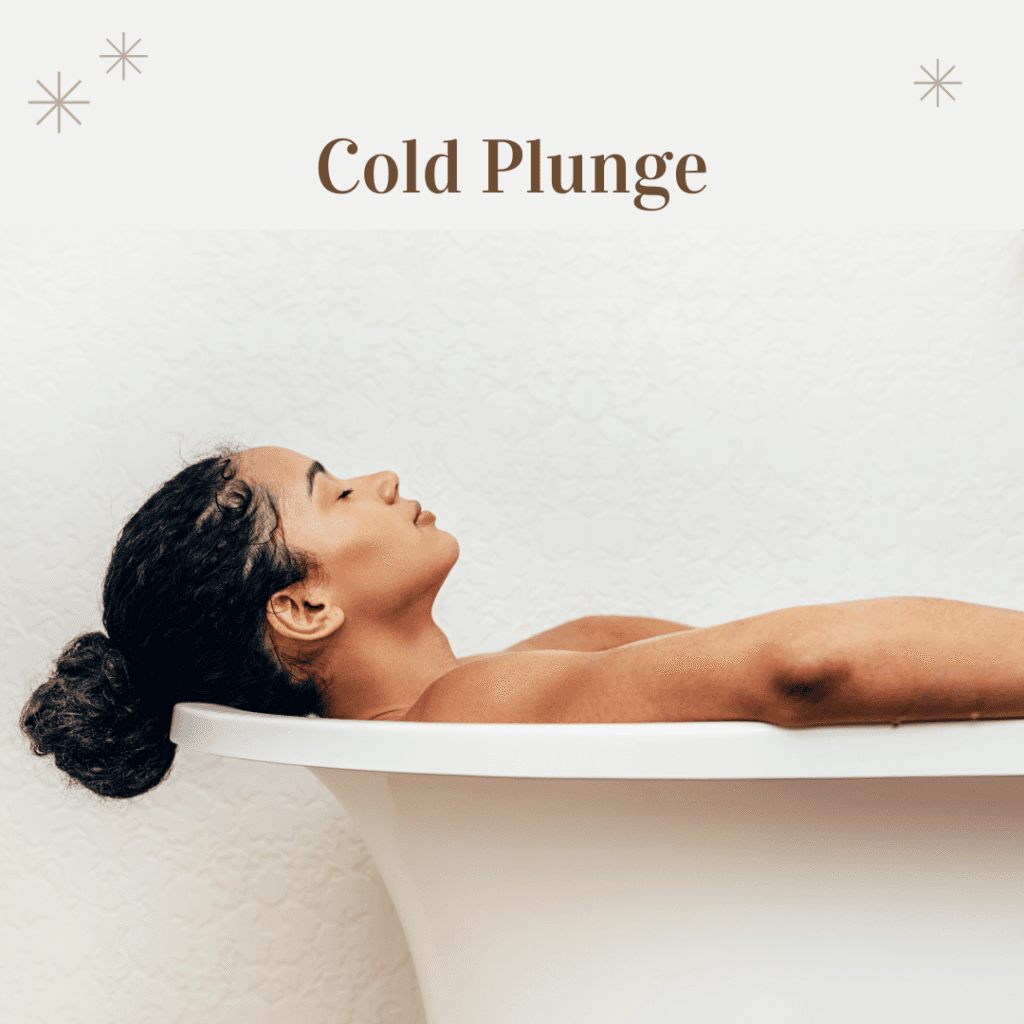
Walk into a cryotherapy chamber and you're enveloped in nitrogen-cooled air that can drop to minus 160 degrees Celsius or colder, for two to four minutes. Step into an ice bath and you're submerged in water sitting somewhere between 10 and 15 degrees Celsius, often for ten to twenty minutes or more. Same goal, wildly different physics — and if you've ever wondered whether these two recovery modalities are actually interchangeable, a ScienceInsights deep-dive published March 18, 2026 makes the case that the answer is a firm no.
The piece, titled "Is Cryotherapy the Same as a Cold Plunge?", pulls apart both methods from physiological and practical standpoints. What it reveals is that the medium — ultra-cold air versus water — isn't just a superficial distinction. It determines how deeply cold penetrates tissue, how long you need to stay in, how your body responds hormonally and neurologically, and ultimately what benefits you're most likely to walk away with.
Why the Medium Changes Everything
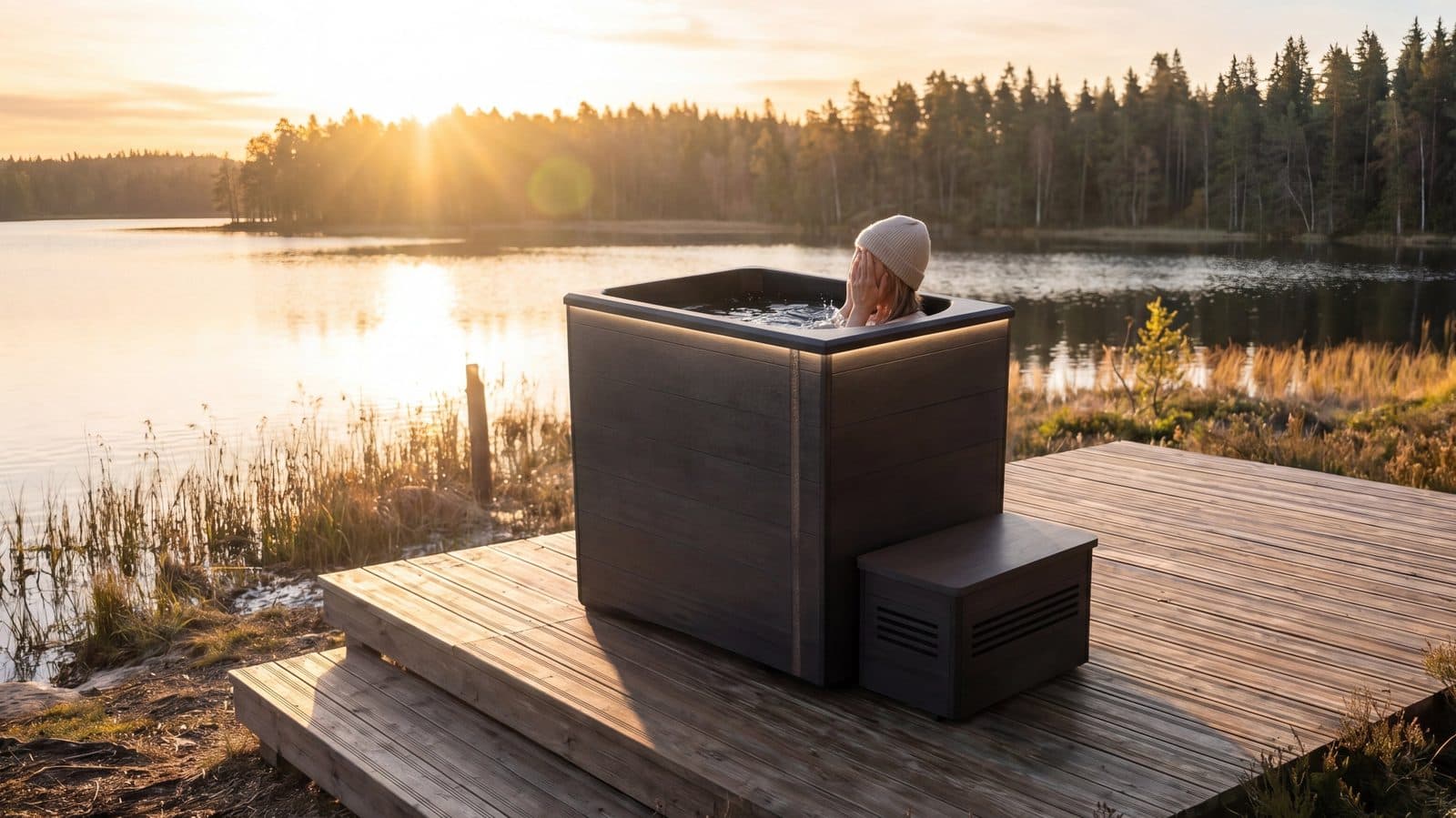
Water conducts heat roughly 25 times more efficiently than air. That single fact explains most of the physiological difference between a cryo chamber and a cold plunge tub. When you immerse in water at 10 to 15 degrees Celsius, cold is actively being pulled from your body across every submerged surface simultaneously. The thermal transfer is aggressive, consistent, and deep. Skin temperature drops fast, and if you stay in long enough, that cooling begins reaching into muscle tissue, which is precisely why athletes use cold-water immersion after high-intensity training sessions to dampen inflammation and accelerate recovery in the muscles that actually did the work.
In a cryotherapy chamber, the air temperature is extreme on paper, but air's low thermal conductivity means the cold never meaningfully penetrates beyond the skin's surface layers during a two-to-four-minute session. Your skin temperature plummets. Your core temperature barely shifts. The experience is intense — your nervous system absolutely registers the threat — but the tissue-level effect is fundamentally different from what happens during a 15-minute cold plunge.
The Physiological Responses: Overlapping but Not Identical
Both modalities trigger vasoconstriction, the narrowing of blood vessels near the skin's surface that shunts blood toward your core organs. Both spike norepinephrine, a neurotransmitter and hormone associated with alertness, focus, and mood elevation. Both activate cold-shock proteins and are associated with reduced perception of pain. At the surface level, the adaptations look similar, which is why the two are so often conflated.
But the depth and duration of those responses diverge significantly. Cold-water immersion produces a more sustained cardiovascular response: heart rate drops, blood pressure shifts, and the body's thermoregulatory systems work harder for longer because the thermal load is continuous throughout the session. Post-immersion, as you rewarm, blood rushes back to the periphery carrying metabolic byproducts away from fatigued muscle tissue. That flushing effect is central to the recovery argument for cold plunging specifically.
Cryotherapy's short, sharp stimulus produces a rapid neurological response without the extended cardiovascular engagement. Some proponents argue this makes it a more targeted intervention for pain management and inflammation — a brief, controlled cold stress rather than a prolonged systemic one. The norepinephrine spike can be equally sharp, which is why many people report the same post-session mental clarity from a cryo session that cold plungers describe after their morning tub.
Practical Differences Worth Knowing
Beyond physiology, the practical realities of each method shape who uses them and how.
- Accessibility: A cold plunge requires a tub, a water source, and ice or a chiller unit. Entry-level setups can cost a few hundred dollars; premium chillers run into the thousands. A cryotherapy session at a commercial facility typically costs between $40 and $100 per visit, with no equipment ownership required.
- Time commitment: Cryotherapy sessions run two to four minutes. A cold plunge protocol generally calls for ten to twenty minutes, though shorter durations of two to five minutes are common among beginners building tolerance.
- Wet versus dry: Cryotherapy is entirely dry. You enter the chamber in minimal clothing — typically underwear, socks, and gloves to protect extremities. Cold plunging involves full water immersion, which means a post-session warm-up and dry-off routine. For people integrating cold exposure into a morning or post-training schedule, this logistical difference matters.
- Safety profile: Cryotherapy carries specific risks related to the use of liquid nitrogen, including potential burns from direct contact with nitrogen-cooled surfaces and risks associated with enclosed spaces. Cold-water immersion carries risks of hypothermia if sessions run too long, as well as cardiac risks for individuals with underlying cardiovascular conditions. Neither modality is inherently riskier than the other in absolute terms, but the failure modes are different.
Which One Actually Works Better?
This is the question every ice bath enthusiast eventually lands on, and the honest answer is that it depends entirely on what you're optimizing for. If your primary goal is muscle recovery after training, cold-water immersion has the stronger evidence base specifically because of that deeper tissue penetration and the sustained cardiovascular response. The research on whole-body cryotherapy for post-exercise recovery is growing but generally shows smaller effect sizes for the metrics that matter most to athletes: reduced delayed onset muscle soreness and faster return to baseline strength.
If your goal is mood, focus, and daily mental resilience — the kind of practice that cold exposure communities have built morning rituals around — the norepinephrine response is substantial in both methods. The two-to-four-minute cryotherapy session may actually be more practical for daily use precisely because it's fast, dry, and doesn't require a lengthy warm-up protocol afterward.
For whole-body inflammation and immune system signaling, the research remains less definitive for both modalities. Neither cryotherapy nor cold plunging has a clean, uncontested evidence base for long-term immune benefits, and anyone claiming otherwise is getting ahead of the science.
Where the Confusion Comes From
The conflation of cryotherapy and cold plunging is understandable. Both involve extreme cold. Both are marketed under the broad umbrella of "cold therapy." Wellness facilities often offer both under the same roof, and influencers in the recovery space frequently use the terms interchangeably. The ScienceInsights analysis is a useful corrective because it grounds the comparison in the one variable that actually matters mechanically: the medium through which cold is delivered.
Ultra-cold air at minus 160 degrees Celsius does not behave like 12-degree water. The body does not respond identically to two minutes in a nitrogen chamber and fifteen minutes in an ice tub, even if the downstream wellness marketing sometimes suggests it does.
Understanding that distinction doesn't mean you have to choose one over the other. Many serious practitioners of cold exposure rotate between both, using cryotherapy for convenience on busy days and cold plunging when time and access allow for a deeper session. The protocols serve different purposes and reward different things. The key is knowing what you're actually doing to your body when you step into either environment, rather than assuming the cold is simply cold.
Know something we missed? Have a correction or additional information?
Submit a Tip