Expert explains ideal cold plunge temperatures for endurance recovery
The coldest plunge is not the smartest default. For endurance recovery, the benchmark sits around 10°C for 10 minutes, and timing it wrong can blunt the gains you are chasing.
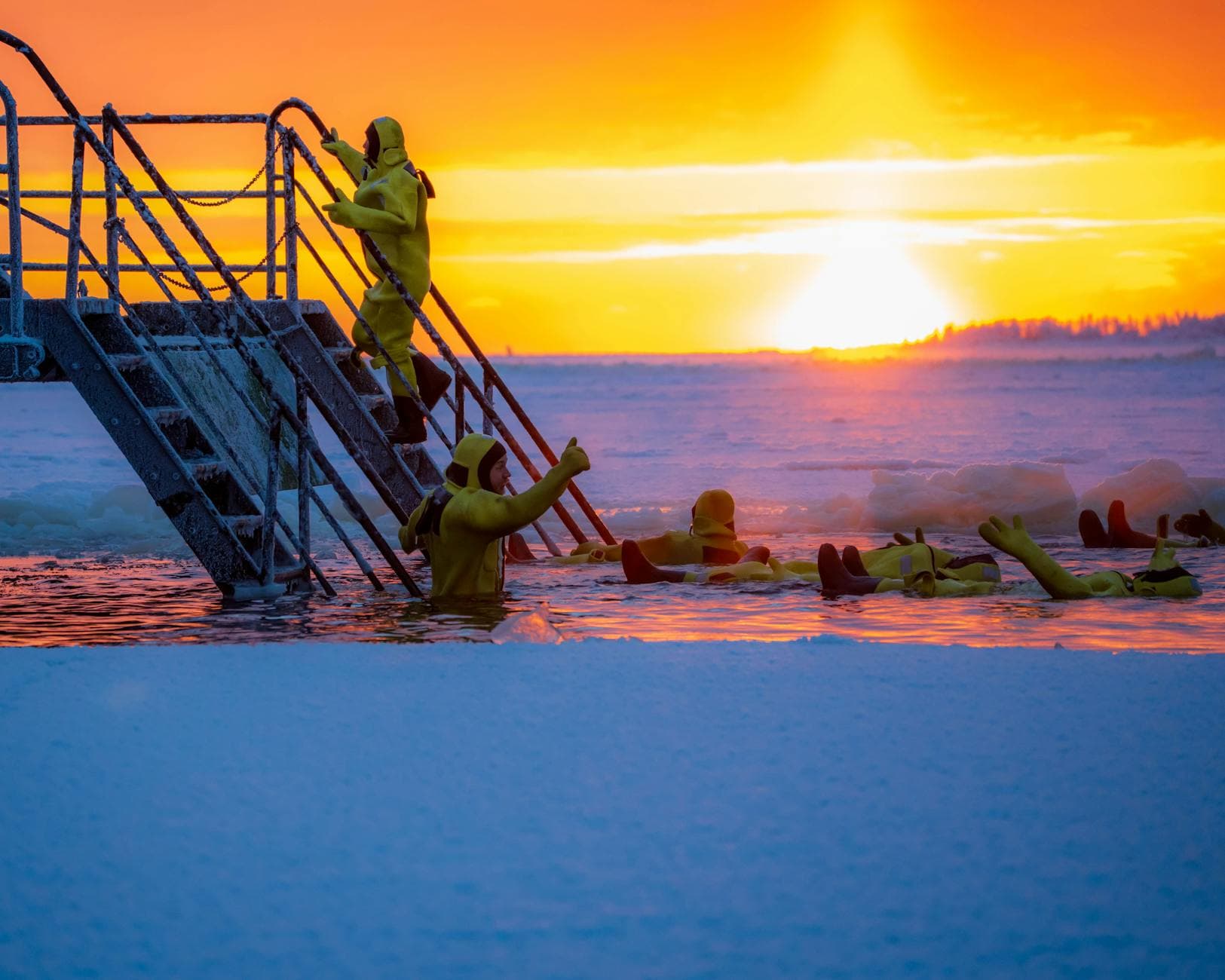
The cold plunge sweet spot is narrower than the trend suggests
If you want the recovery benefit without wasting the session, stop chasing the harshest tub in the room. Cold water immersion, the scientific term that covers ice baths and cold plunges, works best as a tool with a job: helping endurance athletes feel fresher, manage soreness, and recover between hard efforts, not as a reflex after every workout.
Dr. Aaron Petersen, an associate professor of exercise physiology at Victoria University, points to a simple takeaway from the research: the answer is not just how cold the water is, but how long you stay in it and when you use it in your training cycle.
The practical protocol to follow
The most useful benchmark is straightforward. The American College of Sports Medicine reports that 10°C immersion for 10 minutes showed effective recovery at 72 hours. It also notes two other workable approaches: two five-minute immersions at 10°C with a two-minute break at ambient temperature, or a slightly warmer plunge in the 11°C to 15°C range for 11 to 15 minutes.
That matters because colder is not automatically better. A 2025 network meta-analysis found that 10 to 15 minutes at 5°C to 10°C ranked best for jump performance and creatine kinase reduction, while 10 to 15 minutes at 11°C to 15°C ranked best for reducing delayed-onset muscle soreness. In practice, that gives you a usable range rather than a guess: around 10°C for a ten-minute block if you want the classic recovery protocol, or 11°C to 15°C for a slightly longer soak if soreness relief is the main goal.
- A clean starting point: 10°C for 10 minutes.
- A split protocol: 10°C for five minutes, out for two minutes, then back in for five minutes.
- A soreness-focused option: 11°C to 15°C for 11 to 15 minutes.
That is enough structure to keep you from drifting into the two common traps, going too cold and staying in too long.
Why the evidence is useful, and why it is still incomplete
Cold water immersion is the most studied cryotherapy method and a common recovery habit across competition levels, but the literature still has limits. Research began to blossom in the early 2000s, and many of the early studies looked at short-term recovery after a single exercise session rather than how cold immersion affects long-term training. Results were mixed, which is part of why the cold-plunge conversation has always felt a little larger than the evidence base behind it.
The current literature also leans heavily toward a narrow population: moderately active men who train two to four times a week. That leaves real gaps for women and for athletes training daily at high intensity, which means the most confident conclusions come from a group that is not always the one standing next to the ice bath at the end of a hard training block.
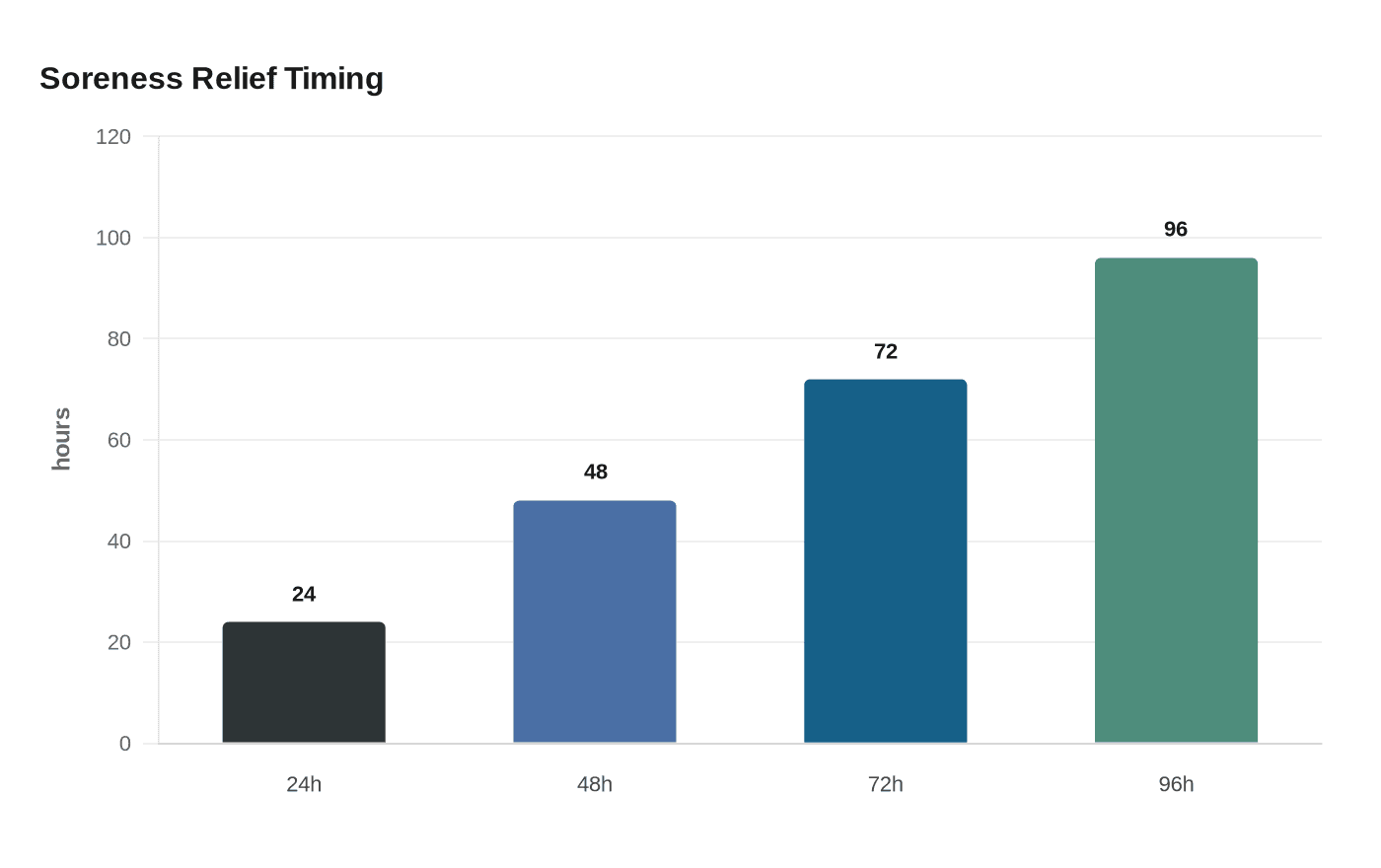
Cochrane’s review, which pooled 17 small trials and 366 participants, found some evidence that cold water immersion reduces muscle soreness at 24, 48, 72, and even 96 hours after exercise. But the same review stressed that study quality was low and that the optimal method and safety remain unclear. That is the pattern across the field: the recovery signal is real enough to matter, but not so neat that you should treat every plunge like a universal prescription.
The mistake that sabotages gains
The most important timing mistake is using the tub immediately after resistance training when your goal is muscle growth. A 2024 systematic review and meta-analysis of eight studies found that resistance training plus immediate cold water immersion produced smaller or negligible hypertrophy gains compared with resistance training alone. In other words, if you lift to build muscle, an immediate post-session plunge can interfere with the adaptation you are trying to earn.
That does not mean cold water immersion has no place in your week. It means the timing has to match the training goal. After a hard endurance session, a race, or a demanding training block where short-term freshness matters most, cold immersion can help. Right after a strength session built around hypertrophy, it is the wrong tool at the wrong moment.
Safety is part of the protocol, not an afterthought
The physiological shock of the plunge is not trivial. A 2022 editorial in the British Journal of Sports Medicine warned that cold shock can cause gasping, hyperventilation, hypertension, arrhythmias, and drowning risk, especially with face immersion or breath holding. The same editorial cited a 52% rise in cold-water-related Coastguard call-outs in the UK in 2021 and a 79% increase in open-water swimming deaths from 2018 to 2021.
That makes caution more than a generic warning. The tub is not the place to test breath holds, chase the extreme, or assume that what feels normal after five seconds is still safe after five minutes. The stronger the cold, the more deliberate the setup has to be.
How to use it without guessing
The cleanest way to think about cold water immersion is as a targeted recovery tool, not a lifestyle badge. If you are in an endurance-heavy phase, the best-supported zone is around 10°C for 10 minutes, or 11°C to 15°C for 11 to 15 minutes if your main target is soreness. If you are in a strength block and want muscle growth, skip the immediate plunge and let the training adaptation do its job.
That is the real benchmark hidden inside the ice bath hype: not how hard you can suffer in the tub, but whether the temperature, duration, and timing actually match the training you are trying to recover from.
This article was produced by Prism’s automated news system from verified source data, official records, and press releases, then run through automated quality and moderation checks before publishing. The system is built and supervised by the people who set the standards it runs under. Read our full AI policy.
Did this article answer your question?