Health experts warn cold plunges are not endurance tests
Cold plunges are for recovery, not bragging rights. Experts say the real mistake is treating sauna-to-plunge work as a toughness test instead of a controlled reset.
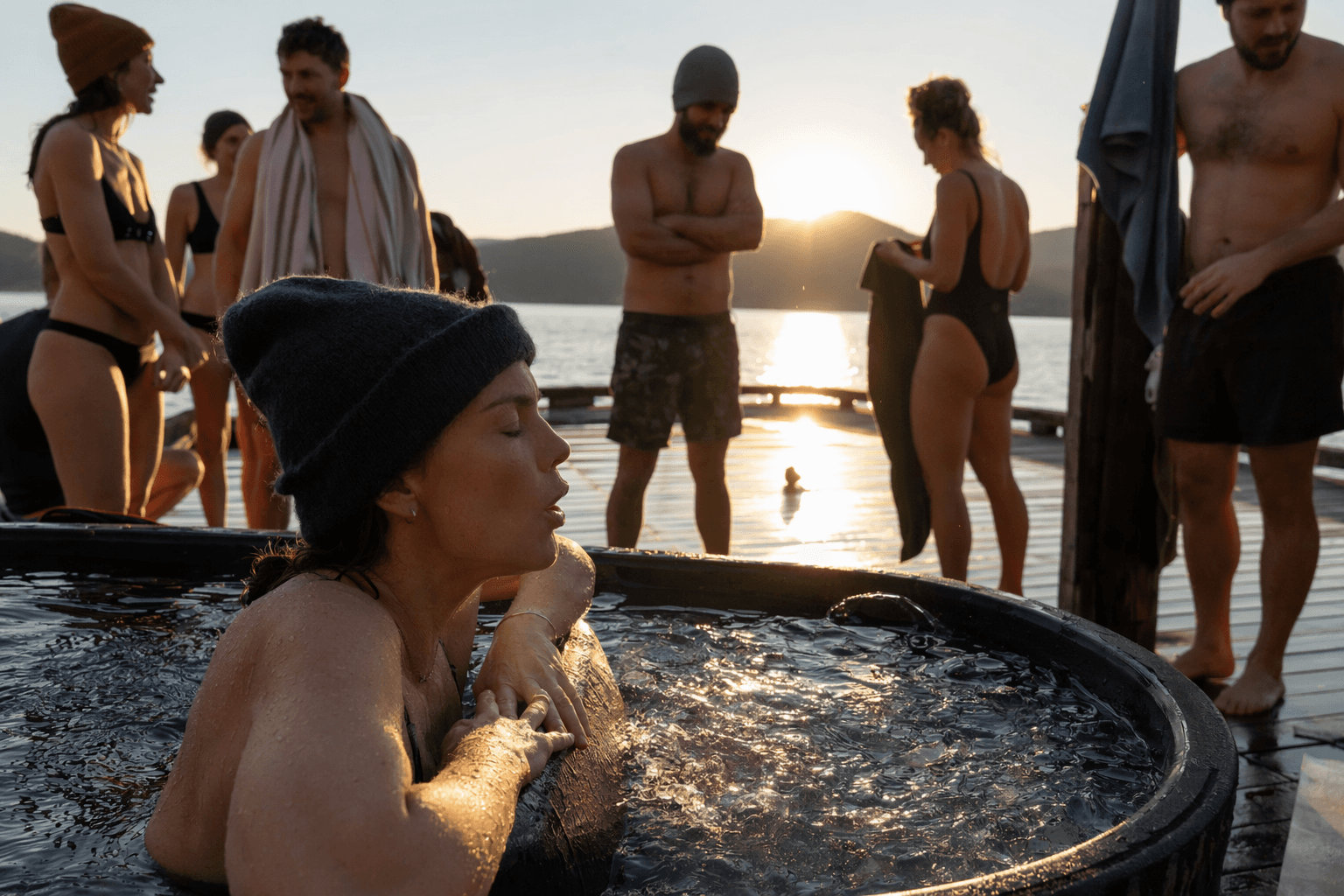
Stop turning contrast therapy into a dare
The cold plunge is not supposed to be a proof-of-grit moment. The fastest way to make a recovery ritual risky is to turn the sauna-to-plunge circuit into a contest, where the only goal is to last longer, shock harder, and post the clip. Health experts are pushing back on that mindset, and they are right to do it.
The point of contrast therapy is recovery, not domination. If you are chasing pain, holding your breath, or trying to outlast everyone in the tub, you are no longer doing the thing for the reason it exists. That shift matters because the body does not care about the optics, it cares about the cold-shock response.
What experts want you to stop doing
The big behavior to cut out is simple: do not treat cold water like an endurance event. The danger starts when people mistake the first blast of cold for a challenge to beat instead of a warning to respect. Sudden immersion can trigger involuntary gasping and hyperventilation, which is exactly the kind of breathing spike that makes a plunge go sideways fast.
That is why health guidance keeps circling back to control. Harvard Health says people with cardiovascular disease, especially heart rhythm abnormalities, should avoid cold plunges. Cleveland Clinic also says cold plunging may help with sore muscles, but it comes with real risks. Those two ideas can live in the same sentence without contradiction: something can feel useful and still be unsafe if you push it too far.
The other bad habit is going in alone. Harvard Health advises never taking an ice bath without someone nearby, and that is not an accessory tip, it is core safety. If your breathing turns ragged or your body locks up, you want another set of eyes there before the situation becomes a problem.
Why the cold hits harder than people think
A lot of plungers assume the danger starts only when the water feels brutally cold. It does not. The U.S. National Weather Service says cold shock can be triggered by water as warm as 77°F, or 25°C, and that rapid breathing can kick in even there. That should reset anybody’s idea of what counts as “safe enough” just because it is not an ice-cube slurry.
The American Heart Association goes even further, saying sudden immersion in water under 60°F can be dangerous or life-threatening. In practical terms, that means the first few seconds matter more than the heroic last few minutes people like to brag about. Cold shock can come on fast, and the body’s reflexive response is not a badge of toughness, it is a hazard.
This is also why the old social-media framing misses the point. If your instinct is to prove you can survive the shock, you are focusing on the wrong variable. The real question is whether your breathing, heart, and head stay under control from the moment you enter the water.
Sauna is not a free pass, either
The heat side of contrast therapy deserves the same respect. Sauna use is not new, and it has been studied for years as a health practice, but it is still a physiological stressor. Hospital guidance notes that sauna can raise heart rate and blood pressure during the session, which means the heat-to-cold sequence is doing something real to your body, not just helping you relax on a spa bench.
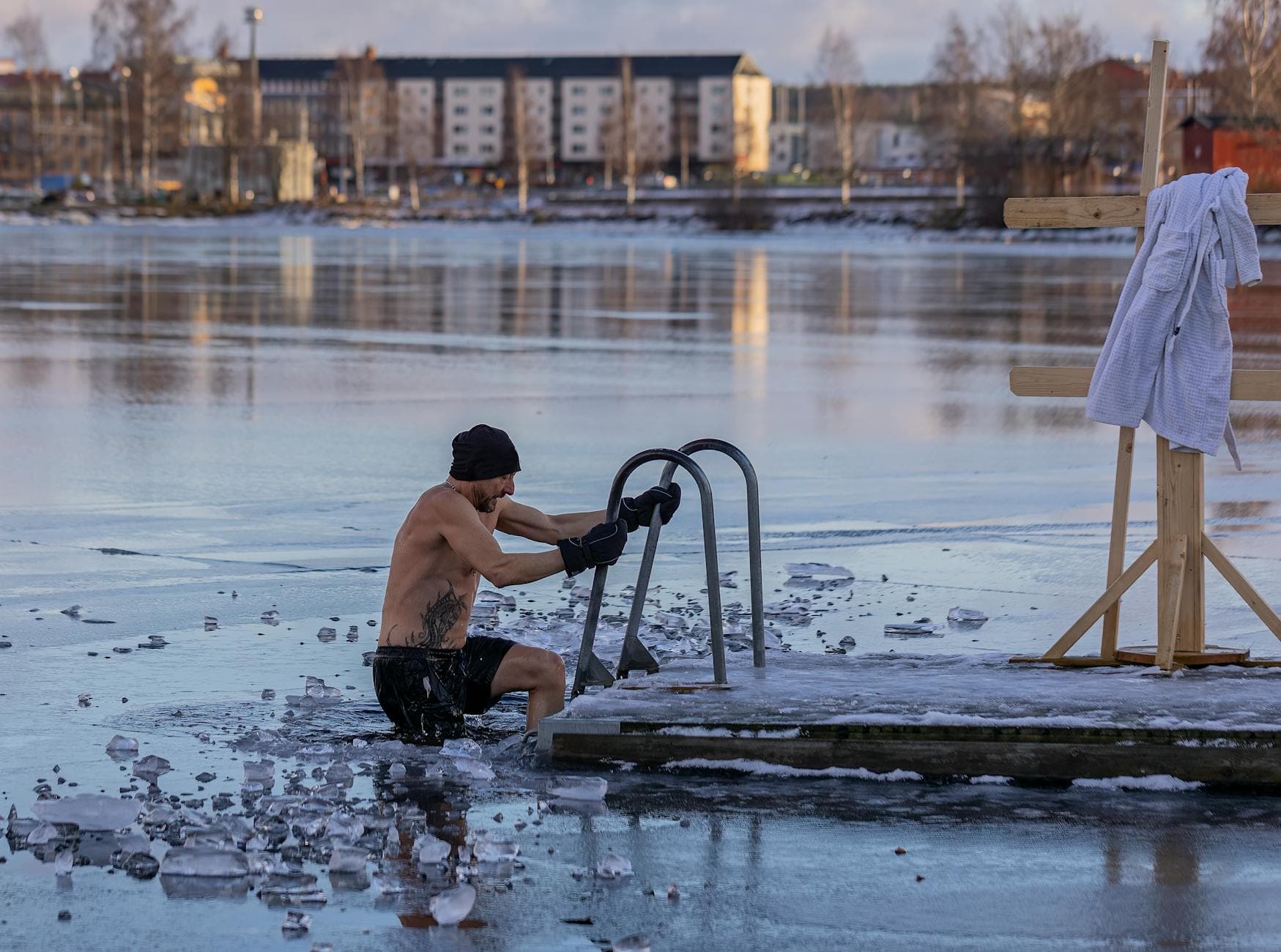
That dose of stress may explain why sauna research has attracted so much attention. A landmark Finnish cohort study in JAMA Internal Medicine followed 2,315 men for a median of 20.7 years and found that more frequent sauna bathing was linked with lower risks of sudden cardiac death, fatal coronary heart disease, fatal cardiovascular disease, and all-cause mortality. A sauna study in PubMed also found that the cardiac load during sauna bathing corresponded to a moderate physical load of 60 to 100 watts.
The important takeaway is not that sauna makes cold plunges safer. It is that both ends of contrast therapy demand respect. The heat is work. The cold is work. Treating the sequence like a casual dare strips away the part that makes it useful in the first place.
What the evidence says about the plunge claims
Cold plunges have become the new miracle cure in a lot of gym chatter, but the evidence has not caught up with the hype. Harvard Health says the proof for claims like less stress, better sleep, and enhanced immunity is thin. That does not mean nobody feels better after a plunge, only that the marketing pitch is running far ahead of the science.
For people chasing recovery, that distinction matters. There is a difference between a tool that may help you feel refreshed and a tool that should be used as if it were harmless. Cleveland Clinic’s bottom line is the one to remember: sore-muscle relief is possible, but risk is still part of the package.
How a safer session actually looks
A recovery-oriented plunge is boring in the best way. It is planned, brief, and controlled, not theatrical. Mayo Clinic Health System says many beginners start with just 30 seconds to a minute and gradually build toward five to 10 minutes, while Harvard Health says to keep any ice bath to a maximum of 15 minutes.
- Have someone nearby.
- Enter the water gradually instead of blasting in.
- Watch for involuntary gasping or rapid, uncontrolled breathing.
- Keep the first sessions short, then build slowly.
- Stop if the cold is turning into panic or your breathing will not settle.
A safer session also has a boring checklist:
That is the difference between recovery and bravado. In a good session, you get out feeling reset, not like you just survived a dare.
The real reset is restraint
The current obsession with cold plunges has blurred the line between recovery and performance. That is the whole problem. The safest, smartest approach is not to see how long you can last in the tub, but to use the cold with enough restraint that it actually earns its recovery benefits.
This article was produced by Prism’s automated news system from verified source data, official records, and press releases, then run through automated quality and moderation checks before publishing. The system is built and supervised by the people who set the standards it runs under. Read our full AI policy.
Did this article answer your question?