Floating Saunas Turn Heat-and-Cold Recovery Into a Travel Trend
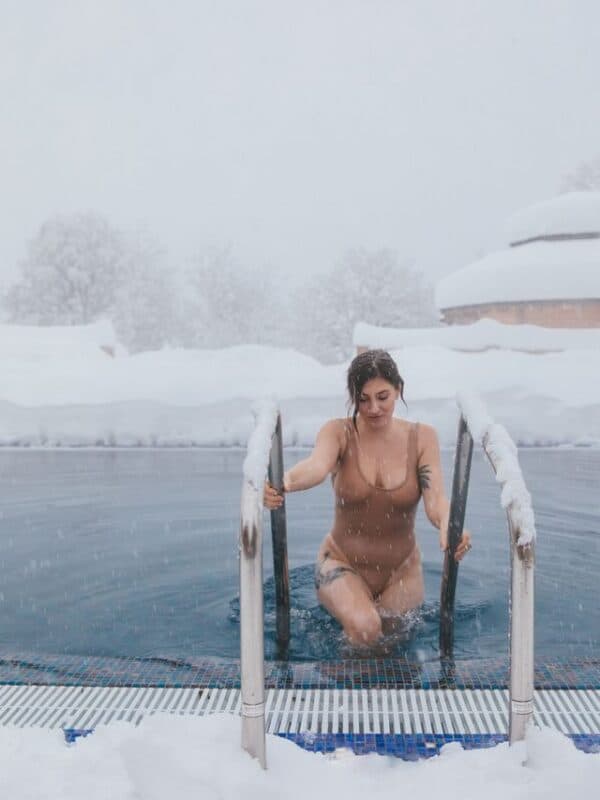
Floating saunas promise a smoother plunge and a stronger ritual, but the real test is whether they improve repeatability, safety, and recovery flow or just package the cold in prettier scenery.
The new appeal is the transition
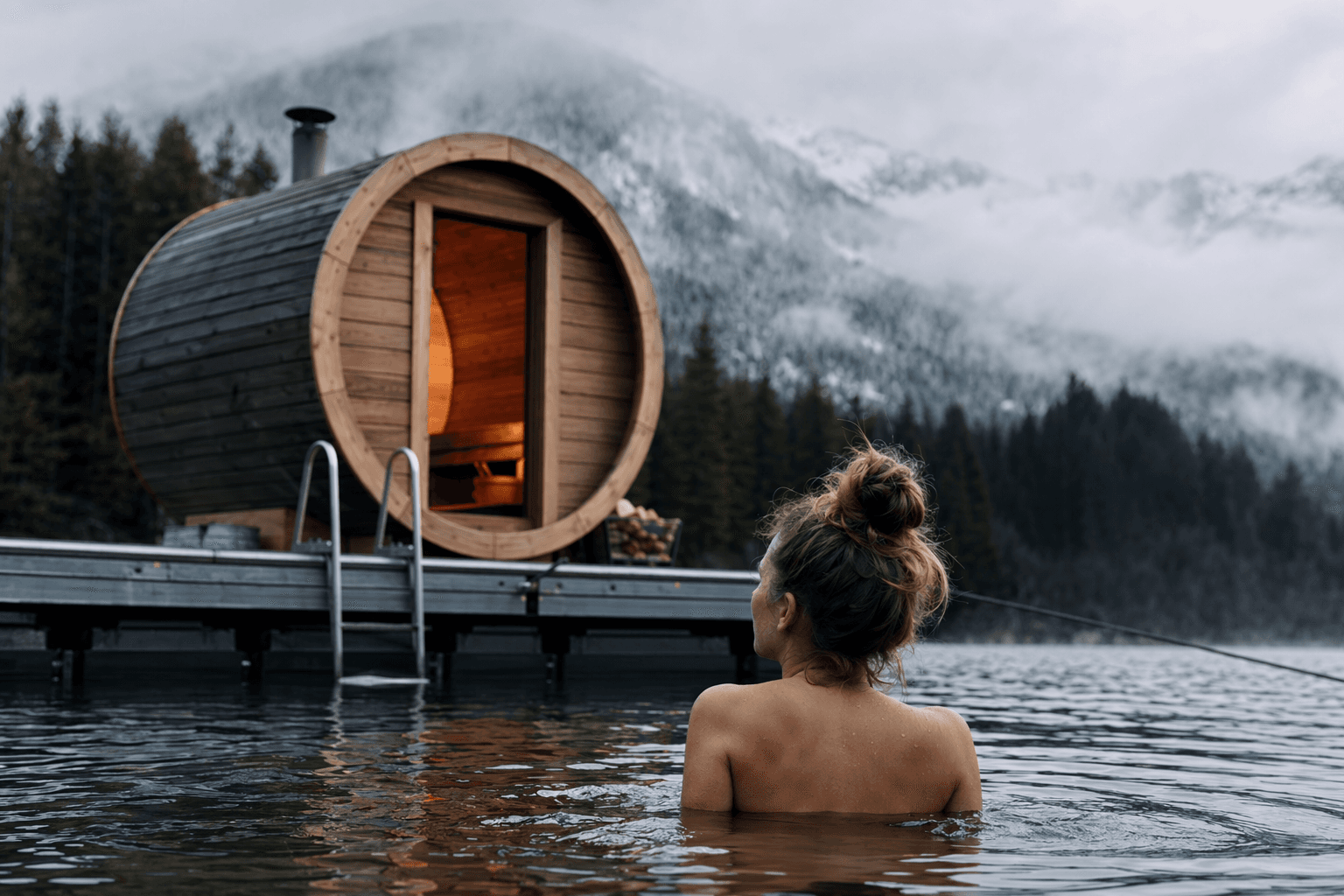
The newest contrast-therapy spaces are changing the moment that matters most: the handoff from heat to cold. Floating saunas, built on pontoons, rafts, or boats and set over lakes, rivers, harbors, or fjords, collapse that transition into one continuous ritual instead of separating it into a sauna stop and a plunge stop. The cold water is already there, which makes the plunge feel less like a gym add-on and more like a natural rhythm shaped by water, timber, steam, and weather.
That is why the format has such a strong pull in Europe and Tasmania, where the landscape is not just a backdrop but part of the therapy itself. The experience is not only about tolerating the cold. It is about how the room, the dock, and the waterline work together to make repeated rounds feel fluid rather than forced.
What actually makes a floating sauna worth it
For serious cold-plunge users, the question is not whether a floating sauna looks good. It is whether it changes the quality of the session. The best setups improve four things at once: temperature contrast, recovery flow, access, and repeatability. If you can move from dry heat to cold water without long walks, crowded bottlenecks, or awkward re-entry, the ritual becomes easier to sustain and easier to repeat.
That is part of the draw at Iron Mountain Hot Springs, where Aaron McCallister says interest in heat-and-cold practices is growing even as high-quality experiences remain relatively limited. The property’s Sauna Summit, which opened in 2026, was built around that gap. It is marketed as the country’s most diverse sauna collection, with five sauna types and three cold plunges, and McCallister has described it as purpose-built for contrast therapy and shared time.
A setup like that matters because the strongest contrast-therapy spaces are not just hot rooms with a chilly finish. They are choreographed environments. Look for:
- A clear temperature range that makes the hot side real, not lukewarm
- Direct, easy access to cold water or plunges
- Safe entries and exits, especially when the water is open and moving
- Enough space to repeat rounds without congestion
- A flow that supports recovery rather than interrupting it
The temperature side still has to deliver
The floating-sauna trend can only earn its keep if the heat is serious. KOS Sauna, which says it is New York’s first public floating sauna, puts that front and center on Saratoga Lake in Saratoga Springs, New York. It describes itself as Finnish-style and lists heat around 80-110C, or 176-230F, with lake swimming built into the ritual.
That detail matters because contrast therapy is not just about “hot then cold.” The hot side has to be hot enough to make the cold hit meaningful. When the sauna is genuinely hot and the lake is immediately available, the body gets the full cycle: heat, sweat, breath reset, immersion, recovery, repeat. If the temperature is soft or the cold access is clumsy, the whole thing starts to feel ornamental.
KOS leans into that rhythm by encouraging alternating sauna heat with lake swimming. In practical terms, that is what separates a true contrast experience from a scenic wellness lounge with a photo-friendly deck.
Why the U.S. still feels early compared with Finland
The fascination with floating saunas also makes sense against the bigger sauna map. UNESCO recognizes Finnish sauna culture as Intangible Cultural Heritage and describes it as integral to the lives of the majority of the Finnish population. Guinness World Records says Finland has more than three million saunas, about 0.62 saunas per person. That scale creates a very different baseline for public bathing, recovery, and social ritual than the United States has ever had.
In the U.S., sauna culture is still developing, even as awareness of heat and cold exposure grows. That is why the current boom feels so design-led. New destinations are not just selling recovery; they are selling atmosphere, social connection, and a sense that the ritual belongs in a bigger lifestyle world. Iron Mountain’s Sauna Summit fits that shift, and so does the way KOS frames its floating format as a Finnish-style communal experience rather than a narrow athletic tool.
How American projects are adapting the idea
The most telling part of the trend is how often it has to adapt to local infrastructure. Floating saunas need usable waterways, docking systems, and enough maintenance capacity to keep the whole setup functioning. Those demands help explain why the format remains rare in North America, even as interest rises.
The examples that do exist show the flexibility of the idea. On San Francisco Bay near Sausalito, California, the Fjord project by architect Nick Polansky turns an upcycled barge and recycled shipping containers into a floating sauna. It is a strong example of the format being translated to local conditions rather than copied wholesale. In New York, KOS brings the floating-sauna concept to Saratoga Lake with a public, Finnish-style setup that ties the ritual directly to the water. Both projects show the same thing: the concept works best when it is engineered around the site, not dropped onto it as a gimmick.
The real test: recovery tool or travel branding?
Floating saunas are meaningful when they make cold exposure easier to repeat, not just prettier to photograph. If the water is right outside the heat, the transitions are clean, the temperatures are strong, and the space supports multiple rounds without friction, the format genuinely improves contrast therapy. It turns the recovery sequence into something that feels instinctive.
If those pieces are missing, the floating sauna becomes something else: an upscale travel object, polished and appealing, but not necessarily better for the body. That is the line the market is now drawing. The strongest versions treat cold plunges as part of architecture, social bathing, and nature immersion all at once. The weaker ones just dress the ritual in better scenery.
This article was produced by Prism’s automated news system from verified source data, official records, and press releases, then run through automated quality and moderation checks before publishing. The system is built and supervised by the people who set the standards it runs under. Read our full AI policy.
Did this article answer your question?