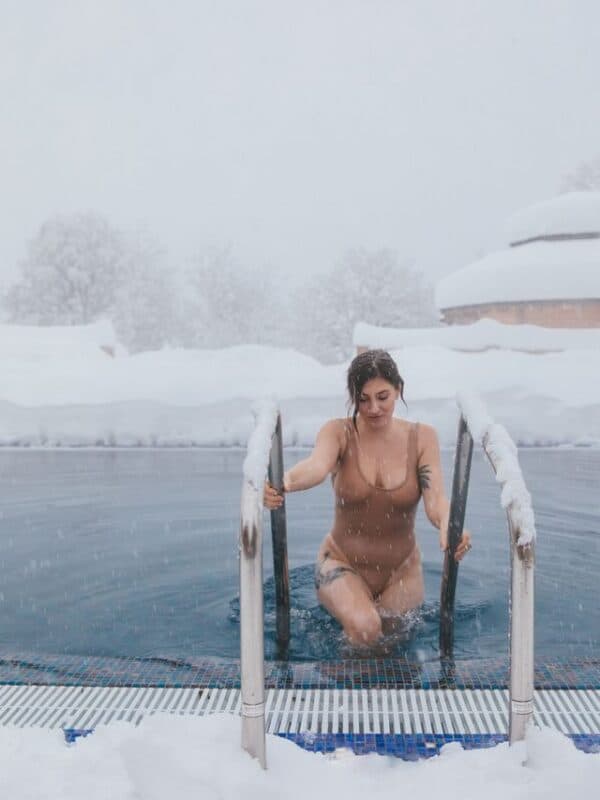
How Long to Stay in an Ice Bath, experts recommend 11 minutes weekly
The smartest ice-bath dose is smaller than most brag about: about 11 minutes a week, split into short plunges, with timing and temperature tuned to your goal.

The real answer is dose, not grit
The most useful rule in cold plunging is not how long you can last. It is how much cold exposure actually gives you a training effect without turning the session into a contest of willpower. The practical target here is about 11 minutes a week, broken into short bouts of roughly 2 to 3 minutes, two to three times weekly.
That framing matters because the best cold-bath routine is the one you can repeat. A single punishing plunge may feel impressive, but the research-backed logic favors consistency, manageable stress, and a weekly rhythm that fits real life.
Where the 11-minute target comes from
The 11-minute idea lines up with work associated with Susanna Søberg and with Scandinavian winter-swimming culture. A 2021 Cell Reports Medicine paper on experienced winter swimmers found they practiced cold-water immersion with sauna two to three times per week and showed altered brown-fat thermoregulation plus higher heat production during cooling.
Later summaries of Søberg’s protocol describe deliberate cold exposure at 11 minutes per week and deliberate heat exposure at 57 minutes per week. The pattern is not built around endurance. It is built around repeated, deliberate exposure that is enough to provoke an adaptation.
That is a useful distinction for anyone shopping for a tub, planning a recovery routine, or trying to decide whether another minute in the water is doing anything meaningful. Once you have hit the dose that matches your goal, more time is not automatically more benefit.
How long to stay in depends on what you are trying to do
If your goal is general cold exposure, the 2 to 3 minute range is the cleanest place to start. It is short enough to stay tolerable, long enough to create a stimulus, and easy to repeat several times per week.
If your goal is acclimation and thermogenesis, shorter but regular exposure makes even more sense. Human brown adipose tissue can increase non-shivering thermogenesis during cold acclimation, which is part of why repeated exposure can change how your body handles the chill. That effect is tied to regularity, not suffering through one marathon plunge.
If your goal is recovery after a hard workout, the decision changes again. Cold-water immersion can help with short-term recovery and soreness, but it is not a free bonus if you are trying to build strength or muscle. The smartest move is to match the plunge to the job, not to use one template for every situation.
Temperature changes the clock
Time in the tub cannot be separated from water temperature. A cold bath at 50 to 60°F is generally a more approachable entry point, while 39 to 50°F is more in line with experienced plungers. A 45°F session sits in the middle of that working range and demands more respect than a mild recovery soak.
That means your clock should change with the water. In warmer cold water, you may be able to stay in a little longer while keeping the same overall stress. In colder water, the same minute count hits much harder, so a shorter plunge may deliver the same practical stimulus.
For beginners, the useful question is not how cold can you go. It is how cold can you go and still repeat the practice safely next week. For experienced users, the challenge is not to chase lower temperatures for their own sake, but to make sure the session still serves a purpose.
After lifting, timing matters as much as duration
If you train for strength or muscle growth, do not jump straight from the barbell to the ice bath. The article’s guidance is to wait 4 to 6 hours after lifting before plunging, so the cold exposure does not interfere with adaptation.
That caution fits broader exercise science. Post-exercise cold-water immersion can improve how you feel in the short term, but evidence also shows it may blunt some resistance-training adaptations, including muscle hypertrophy. In other words, the bath may help you feel fresher now while quietly reducing some of the signal your muscles need to grow.
The clean takeaway is simple: use cold strategically. If today is a recovery day or a conditioning day, a plunge can make sense sooner. If today is a heavy lifting day and adaptation is the priority, give the body time before you add cold stress.
The first few plunges are the hardest
The cold-shock response is real, and it is one reason beginners should not try to impress anyone on day one. Cold water can trigger hyperventilation, a gasp reflex, and spikes in heart rate and blood pressure, which raises drowning and arrhythmia risk.
The good news is that repeated exposure helps. A 2024 systematic review and meta-analysis found that repeated cold-water immersion habituates the cold-shock response after about four immersions on average. That does not make cold water harmless, but it does mean the first handful of sessions are usually the most intense.
That is another reason the 11-minute weekly target is so practical. Short, regular sessions give your body time to adapt without forcing you to battle the most severe shock response over and over.
Finish cold, then let your body do the work
One of the simplest parts of the protocol is also one of the most important: end cold and rewarm naturally. The point is to let your body generate heat on its own instead of rushing to override the response with external warmth.
That approach fits the thermogenesis story behind cold plunging. The brown fat angle is not about surviving discomfort; it is about giving the body a signal strong enough to produce heat and adapt. Finishing cold, then allowing a natural rewarm, keeps the session aligned with that goal.
It also reinforces the broader principle here: cold plunging works best as a deliberate dose, not as a stunt. The people getting the most out of it are not the ones who last the longest. They are the ones who understand when to stop, when to rest, and how to keep the practice sustainable.
The safest winning move is the one you can repeat
Medical organizations including the American Heart Association caution that evidence for broad health claims is still limited, and people with cardiovascular disease, especially those with arrhythmia history, need to be especially careful or avoid cold plunging. That warning should sit beside any discussion of performance or recovery.
The best cold bath routine, then, is measured rather than macho. Aim for roughly 11 minutes per week, split into short sessions, adjust the water temperature to your experience, wait after lifting if muscle growth matters, and let the body rewarm on its own. That is the difference between chasing endurance and getting actual benefit from the plunge.
This article was produced by Prism’s automated news system from verified source data, official records, and press releases, then run through automated quality and moderation checks before publishing. The system is built and supervised by the people who set the standards it runs under. Read our full AI policy.
Did this article answer your question?