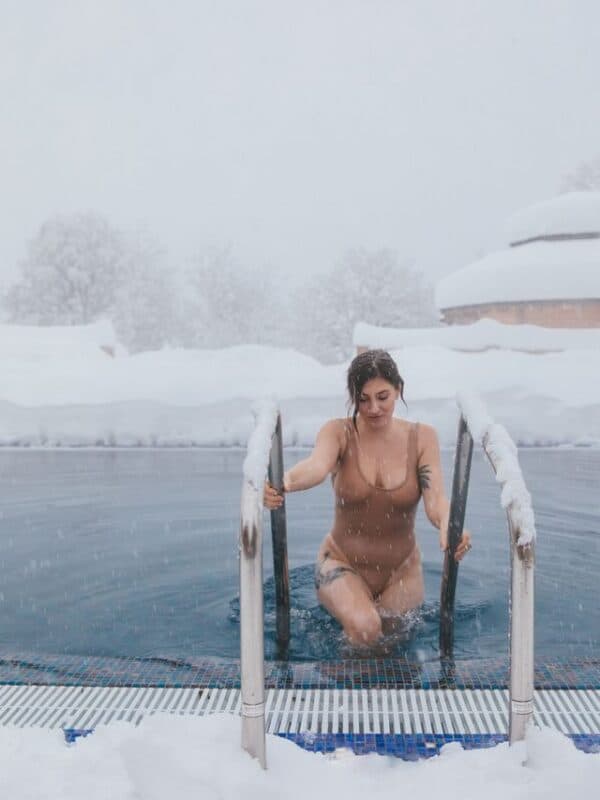
Hong Kong’s ice bath boom tests wellness claims against evidence
Hong Kong’s ice bath craze has real recovery benefits, but the plunge also carries hypothermia and heart risks that hype often glosses over.
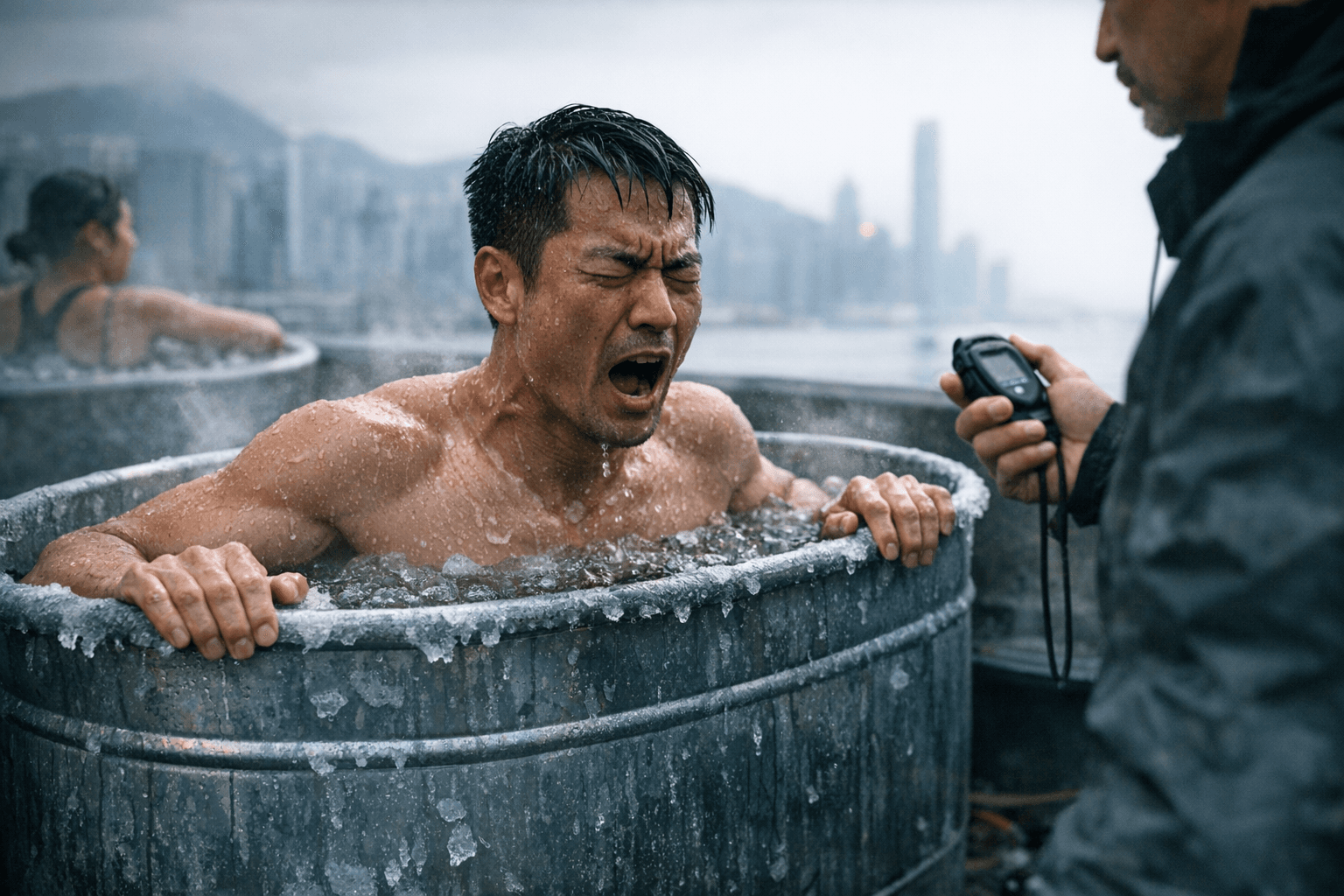
The plunge is no longer just a niche recovery ritual in Hong Kong
Ice baths have moved from the margins of sport into the city’s wellness bloodstream. In Hong Kong, they now show up in recovery clubs, social-media challenges and biohacking conversations, while older cultural instincts still pull the other way. Traditional Chinese medicine has long warned against too much cold exposure, and that tension matters because this is no longer just a fad story, but a market story too.
The city’s cold-plunge scene already has recognizable names attached to it: Re:set by Pure in Causeway Bay, ASAP and Acme Wellness in Central, 10x Longevity in Admiralty, Float Co in Mid-Levels and The Ice Bath Club in Kennedy Town. Andrew Collins, who founded The Ice Bath Club, says Hong Kong still has room to mature and is behind Singapore in adoption. That is the reality check: the trend is spreading, but the culture around it is still being negotiated one plunge at a time.
What ice baths are actually good for
The most useful place to start is not with the hype, but with the mechanism. Danish scientist Susanna Soberg has argued that deliberate cold exposure has real physiological effects, and the strongest claims tied to her work are specific rather than mystical. Cold exposure appears to activate brown adipose tissue, increase resting energy expenditure by as much as 15 percent, and trigger a surge in norepinephrine and dopamine that can sharpen alertness, mood and focus.
That does not mean an ice bath is a shortcut to becoming lean, calm and superhuman. It means your body is responding to a controlled stressor. The same body that gets a brief alertness lift may also be managing inflammation, because cold exposure may reduce pro-inflammatory cytokines, which could help with chronic inflammation and post-exercise soreness. In other words, the promise is narrower and more practical than the Instagram version: recovery, wakefulness and maybe some metabolic nudges, not a cure-all.
Where the evidence is strongest, and where it gets blurry
The best-supported use case for cold-water immersion is recovery after hard exercise. A 2023 meta-analysis found that it is widely used to reduce fatigue and muscle damage after workouts, but also made clear that the underlying mechanisms are still unclear. A 2023 systematic review and meta-analysis looked at cold-water immersion alongside other recovery methods and focused on athletic performance and perceptual outcomes after strenuous exercise, which is a reminder that the field is still more about fine-tuning recovery than delivering headline-grabbing health transformations.
That distinction matters if you are deciding whether to book a session at a studio or set up a tub at home. If you train hard, race often or stack heavy sessions, cold exposure may help you feel better faster. If you are expecting it to replace sleep, nutrition, strength work or medical treatment, the evidence does not back that leap.
Brown fat is real, but it is not a wellness loophole
A lot of ice-bath marketing leans on brown adipose tissue, and there is real science underneath that conversation. A randomized trial found that repeated cold exposure increased metabolic rate and brown adipose tissue-related activity in healthy participants. A 2024 systematic review and meta-analysis also linked cold-exposure-induced brown fat activation with improved glucose and lipid homeostasis.
Still, the meaning of those findings is easy to oversell. Brown fat activation is part of the body’s thermoregulation, not a magic weight-loss switch. If you see a plunge marketed as a metabolic reset, the more accurate reading is more modest: the cold can nudge energy expenditure and metabolic signaling, but it is not a substitute for long-term habits or a reliable body-recomposition hack.
The risks are not theoretical
This is the part the wellness industry often soft-pedals, especially when the setting looks sleek and social. Cold water pulls heat from the body much faster than air, which is why cold-water immersion can trigger hypothermia quickly. The American Heart Association says water takes heat away from the body 25 times faster than air, and warns that cold immersion can shift blood away from the extremities, impair coordination and thinking, and in some cases has been associated with elevated troponin in winter swimmers.
The danger line is real. The NHS defines hypothermia as a dangerous drop in body temperature below 35C, and Mayo Clinic notes that if it is left untreated, it can cause the heart and respiratory system to fail and can become fatal. That means an ice bath is not just an intense wellness habit. It is a physiological stress test, and the margin for error shrinks fast if you stay in too long, push through numbness, or have underlying cardiovascular issues.
Who may benefit most, and who should sit it out
The clearest candidates for cold plunges are healthy people using them as a recovery tool after strenuous exercise, especially if they are chasing reduced soreness, less fatigue and a faster reset between sessions. If you enjoy the mental snap that comes with cold exposure, the alertness boost described in Soberg’s work may be part of the appeal too. For regular gym-goers and athletes, that makes ice baths a targeted tool rather than a lifestyle identity.
The people who need to be much more cautious are those with heart problems, circulation issues, or any history that makes sudden cold stress risky. Because cold immersion can accelerate hypothermia and interfere with coordination and thinking, it is also a poor place to test personal toughness or chase social-media bragging rights. The body does not care whether the tub is in a studio, a recovery club or a home setup.
Why Hong Kong’s version of the trend feels different
Hong Kong’s ice bath boom is not unfolding in a vacuum. It is happening in a city where hot-water habits are deeply ingrained and where traditional Chinese medicine still shapes daily health instincts. That cultural resistance does not automatically make the trend wrong, but it does explain why the market has room to grow unevenly.
The comparison with Singapore, raised by Andrew Collins, shows the business side clearly. Hong Kong’s cold-plunge scene is early-stage, visible enough to feel buzzy and still small enough to be argued over. And because the trend sits at the intersection of wellness, recovery and biohacking, it is being sold not just as a practice, but as a lifestyle signal.
How to think before you take the plunge
- Treat it as a recovery tool, not a cure-all.
- Use it most sensibly after hard training, not as a daily proof of discipline.
- Be wary of claims that promise fast fat loss or dramatic health transformation.
- Be extra cautious if you have cardiovascular concerns, poor circulation, or if cold exposure has ever made you dizzy or unwell.
- Respect the water. Cold immersion is a controlled stressor, not a flex.
If you are trying an ice bath at a gym, studio or home setup, the decision lens should be simple:
Hong Kong’s ice bath boom is real, and so are the benefits. But the city’s cold-plunge moment is strongest when it is understood as a tool with a narrow job description: useful for some bodies, risky for others, and never as harmless as the wellness marketing makes it look.
This article was produced by Prism’s automated news system from verified source data, official records, and press releases, then run through automated quality and moderation checks before publishing. The system is built and supervised by the people who set the standards it runs under. Read our full AI policy.
Did this article answer your question?