When Cold Plunges Help Muscle Recovery, and When They Don't
Cold plunges can speed recovery when you need to rebound fast, but right after lifting they may blunt the muscle-building signal.
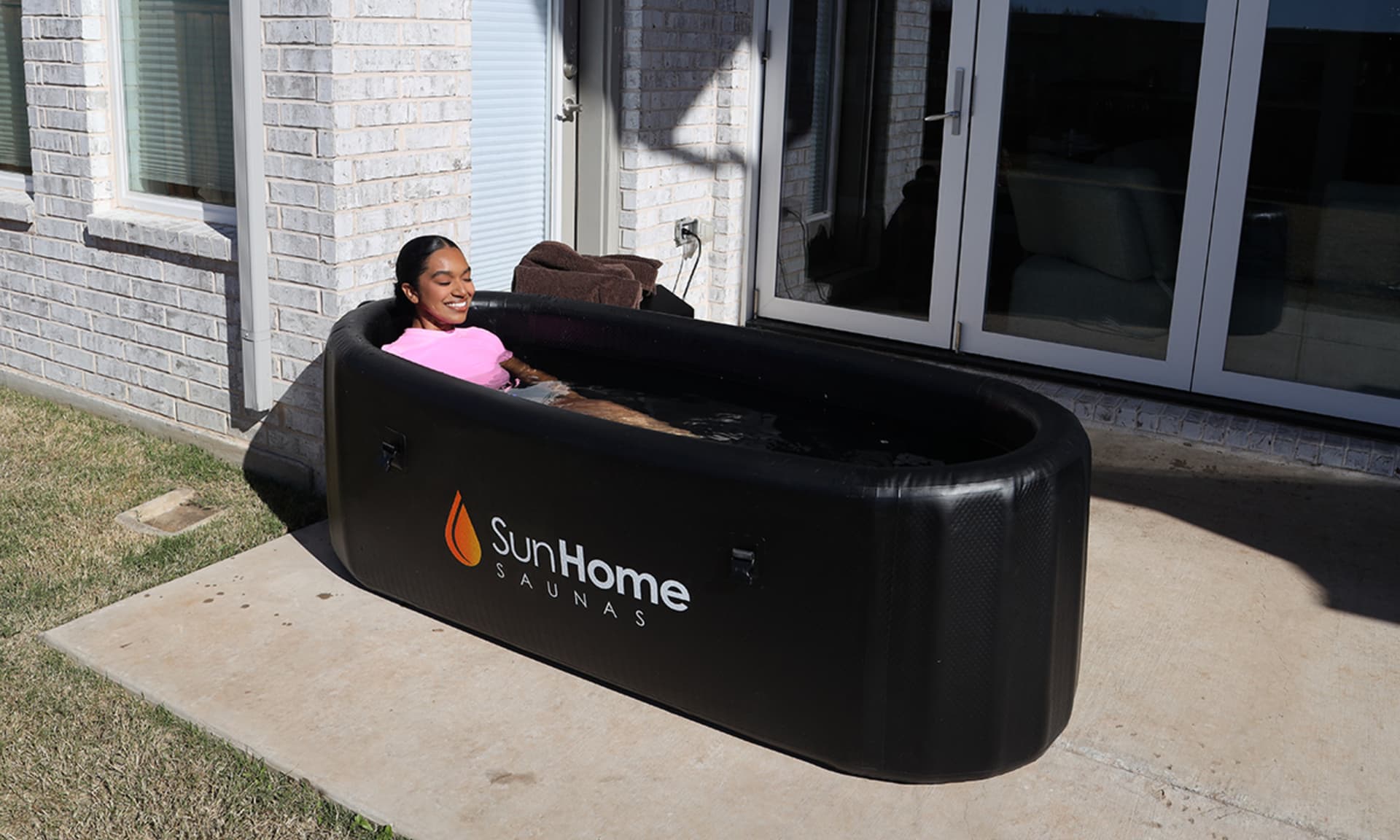
The timing paradox
The cold plunge gets sold as one recovery fix for everything, but the evidence keeps splitting it into two very different jobs. In one 68-study review, cold water immersion improved short-term endurance recovery, while a separate eight-study meta-analysis found that immediate post-lift plunges may blunt hypertrophy.

That split starts with the tool itself. A classic ice bath is not the same thing as local cryotherapy, which uses ice packs, cold air devices, or sprays on a specific muscle or joint, and it is also not the same as whole-body cryotherapy in a chamber. Cold water immersion usually means submerging the limbs and or torso in water kept around 45 to 60 degrees Fahrenheit, roughly 8 to 15 degrees Celsius, for about 15 minutes, either all at once or in intervals.
After endurance work, the plunge earns its keep
This is where cold water immersion has the strongest case. The meta-analytic evidence points to meaningful short-term benefits after high-intensity exercise, especially when you need to come back quickly for another session or another race. It can reduce perceived fatigue and support faster bounce-back between competitions or training bouts.
That makes the plunge most useful after an especially grueling endurance day, a tournament schedule, or any block where tomorrow’s performance matters more than the long game. The same 68-study review found endurance recovery benefits in the short term, even though the effects were not identical across every measure and time point. In practical terms, this is the cold plunge at its best: a recovery tool for the next start line, not a ritual for its own sake.
After strength training, timing can work against you
The picture changes once the goal is muscle growth. A systematic review and meta-analysis of eight studies found that cold water immersion immediately after resistance training may attenuate hypertrophic changes, with comparative analyses showing greater relative gains from lifting alone than from lifting plus cold immersion.
The broader mechanism is the real catch. A narrative review in sports physiology concluded that repeated post-exercise cold water immersion can blunt resistance-training adaptations, including maximal strength, power, and muscle hypertrophy, without negatively affecting endurance adaptations. The same review points to reduced anabolic signaling and lower muscle protein synthesis as likely reasons the cold can interfere with the training signal you just created.
That is the timing paradox in one sentence: the plunge can make you feel better now while making the muscle-building response a little less potent later. If your session was built around progressive overload, the smarter move is often to save the cold for another day, or at least for a time when preserving adaptation matters less than calming soreness.
For soreness, cold helps the symptom more than the system
Cold has a real place when pain is the issue. Traditional cryotherapy is still used for reduced pain after injury or soreness after exercise, and that is the main reason it remains popular in sports recovery rooms. But pain relief is not the same thing as tissue repair, and that distinction matters if you are chasing long-term progress rather than just a quieter body the next morning.
That is why local cryotherapy and whole-body immersion should not be lumped together. Ice packs, coolant sprays, and similar local methods are aimed at a single sore spot, while a plunge affects the whole body. If the problem is a cranky knee, a tight calf, or a swollen ankle, the precise tool is usually the better fit. If the problem is general post-workout soreness, the plunge can help, but it is still a symptom-management tool, not a magic reset button.
For injury, the body part matters more than the tub
Acute soft-tissue injuries are the clearest example of why cold therapy needs to be targeted. Reviews of injury rehab note that cold can provide immediate analgesia after an acute soft-tissue injury, but prolonged ice application can delay healing and lengthen recovery. At the same time, severe swelling can still justify traditional cold therapy, so this is not a case of never use ice, but rather use it with a purpose.
That is also where a plunge can be the wrong tool. A whole-body immersion may feel heroic, but a specific sprain or strain usually calls for local treatment, not broad systemic cooling. Clinical references on cryotherapy still describe the home-use version as ice packs, coolant sprays, ice massage, whirlpools, and ice baths, which is a reminder that the method should match the injury, not the hype.
For everyday exercisers, the question is whether you actually need it
If you train for general fitness, the plunge is often optional rather than essential. A large meta-analysis of healthy adults examined cold-water immersion across 11 studies and 3,177 participants, with water temperatures from 7 to 15 degrees Celsius and exposures ranging from 30 seconds to two hours. The outcomes studied were broad, including sleep, stress, fatigue, energy, inflammation, mood, and alertness, which shows how much of the cold-plunge conversation now sits outside pure sports recovery.
That broader wellness picture matters, but it is not the same as training adaptation. If you are not facing a quick turnaround, not dealing with a flare-up of soreness, and not trying to protect a hard-earned hypertrophy block, the plunge may be more ritual than necessity. The evidence does not say cold is useless; it says cold is situational, and the situation should decide the session.
The takeaway
Use cold when you need a short-term edge in recovery, especially after demanding endurance work or when soreness is getting in the way of the next session. Skip or delay it when the priority is building muscle, because the same anti-inflammatory effect that feels so good can dull the adaptation signal you were trying to create. That is the real rule of the cold plunge: powerful in the right window, pointless in the wrong one, and occasionally counterproductive when the training goal is growth.
This article was produced by Prism’s automated news system from verified source data, official records, and press releases, then run through automated quality and moderation checks before publishing. The system is built and supervised by the people who set the standards it runs under. Read our full AI policy.
Did this article answer your question?