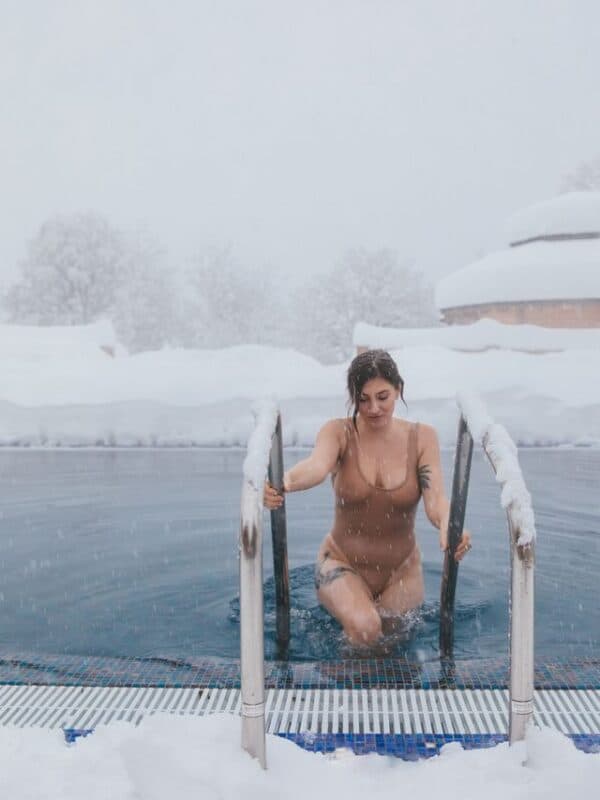
How Long Should You Cold Plunge? Tips for Safe Short Sessions
Short cold plunges of 1-3 minutes at around 37-41°F can deliver recovery and metabolic benefits while cutting risk; personalize time and temperature to your goals.
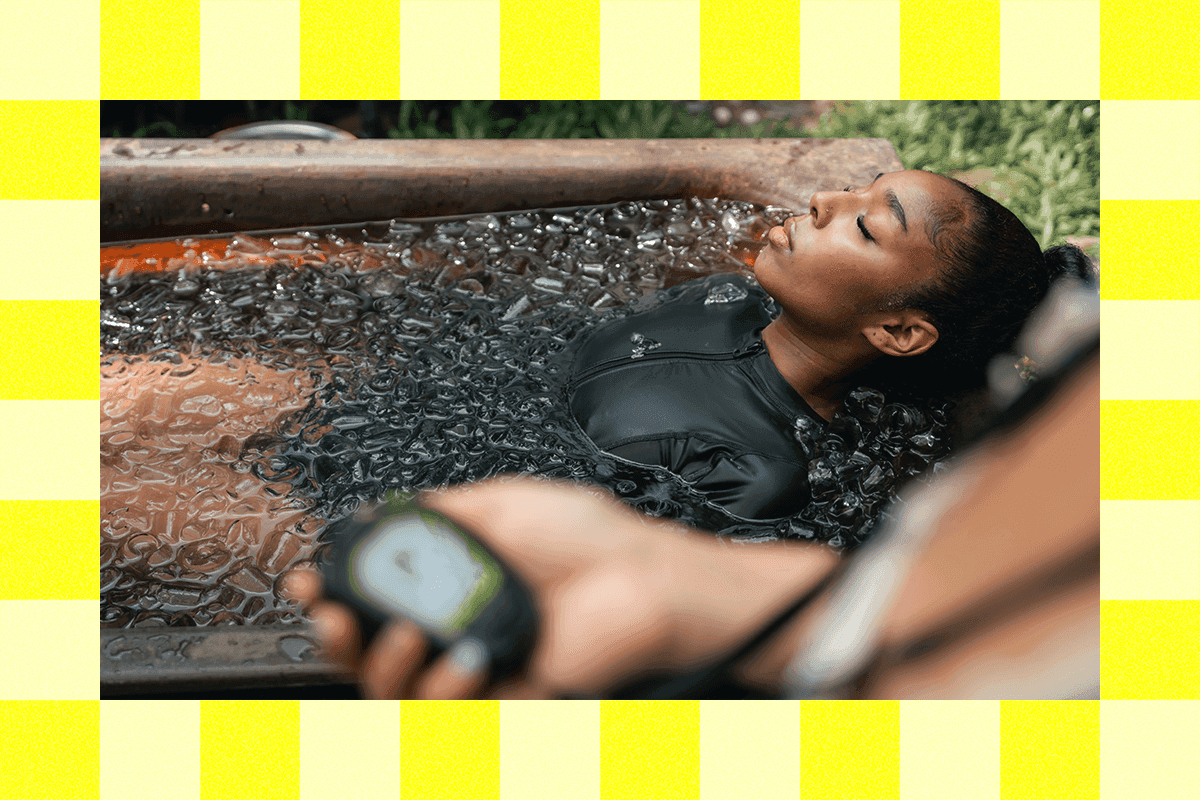
Short, controlled cold plunges deliver benefits like muscle relief, sharper focus, and metabolic activation while keeping cardiovascular and cold-shock risks low. Consistency and a clear plan matter more than trying to outlast discomfort.
How long to stay in depends on goals and tolerance. For metabolic effects such as brown fat activation, aim for roughly 11 minutes per week and split that into multiple short sessions. For exercise recovery, about 2 minutes in cold water is often sufficient. For mental resilience training, some people choose longer sessions but must proceed with caution. Factors that change safe limits include experience, body fat percentage, body size, and breathing control; at colder temperatures below 41°F (5°C), even 1-2 minutes can trigger a significant stress response.
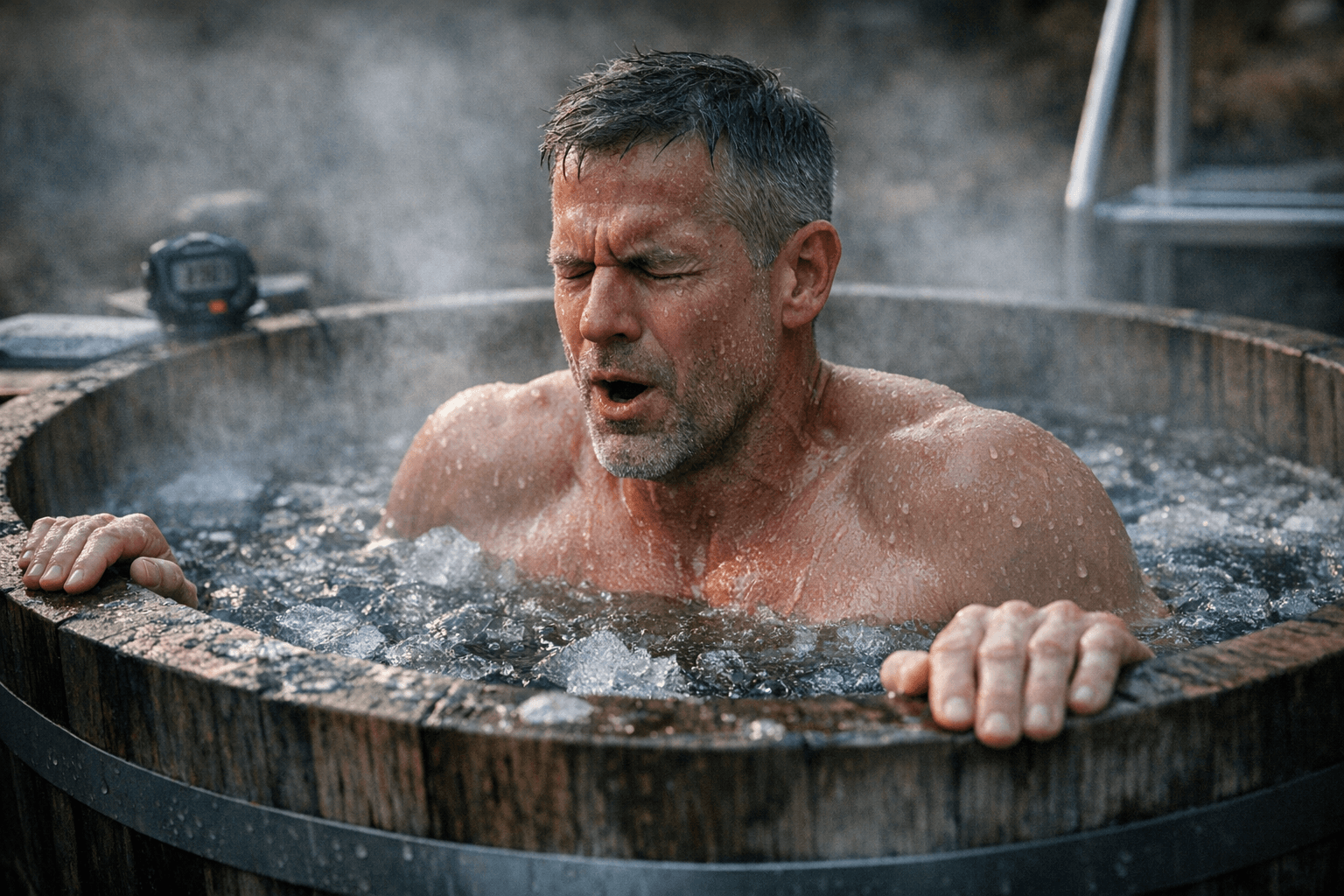
Dan Bosomworth, founder of Brass Monkeys, offers a practical benchmark: "I ice bath for two or three minutes at 37.4°F to 41°F (3-5°C) most mornings. That’s my sweet spot where it’s cold enough to feel challenged and short enough to stay consistent." His advice emphasizes short, repeatable sessions over occasional endurance tests.

Temperature choices should match purpose. Plunge water can range from 32°F to 68°F (0°C to 20°C) depending on the protocol. Most experts observe that many benefits occur in the 50–59°F (10–15°C) window. Advanced plungers use colder water but reduce time accordingly. Beginners can start with 30-second cold showers, build toward two minutes, and then transition to tubs or pools if desired. Always use a reliable thermometer and be cautious when adding ice.
Safety basics matter for community practice. Avoid dunking your head since a sudden gasp can be dangerous when submerged. If you have cardiovascular conditions or other health concerns, consult your doctor before beginning cold water therapy. When combining heat and cold, move from sauna or hot room to cold plunge and end the sequence on cold to minimize cardiovascular stress. After a plunge, warm up naturally with gentle movement for roughly double the time spent in the water rather than rushing to a hot shower; this reduces dangerous aftershocks of severe shivering and may support metabolic adaptations.
Practical steps for a controllable routine include setting a timer, measuring water temperature, and choosing short, consistent sessions that match your goals. Personalize your protocol by adjusting temperature and duration - colder for shorter, warmer for longer - and prioritize safety and regularity over one-off extremes. This approach makes cold plunging accessible for more people and helps the community keep the chill where it belongs: in the tub, not in the emergency room.
This article was produced by Prism’s automated news system from verified source data, official records, and press releases, then run through automated quality and moderation checks before publishing. The system is built and supervised by the people who set the standards it runs under. Read our full AI policy.
Did this article answer your question?