how to choose a cold plunge tub and stay safe
The best plunge tub is the one that stays cold, drains cleanly, and survives real ownership. Buy for the setup, not the showroom spec sheet.
What actually matters when the novelty wears off
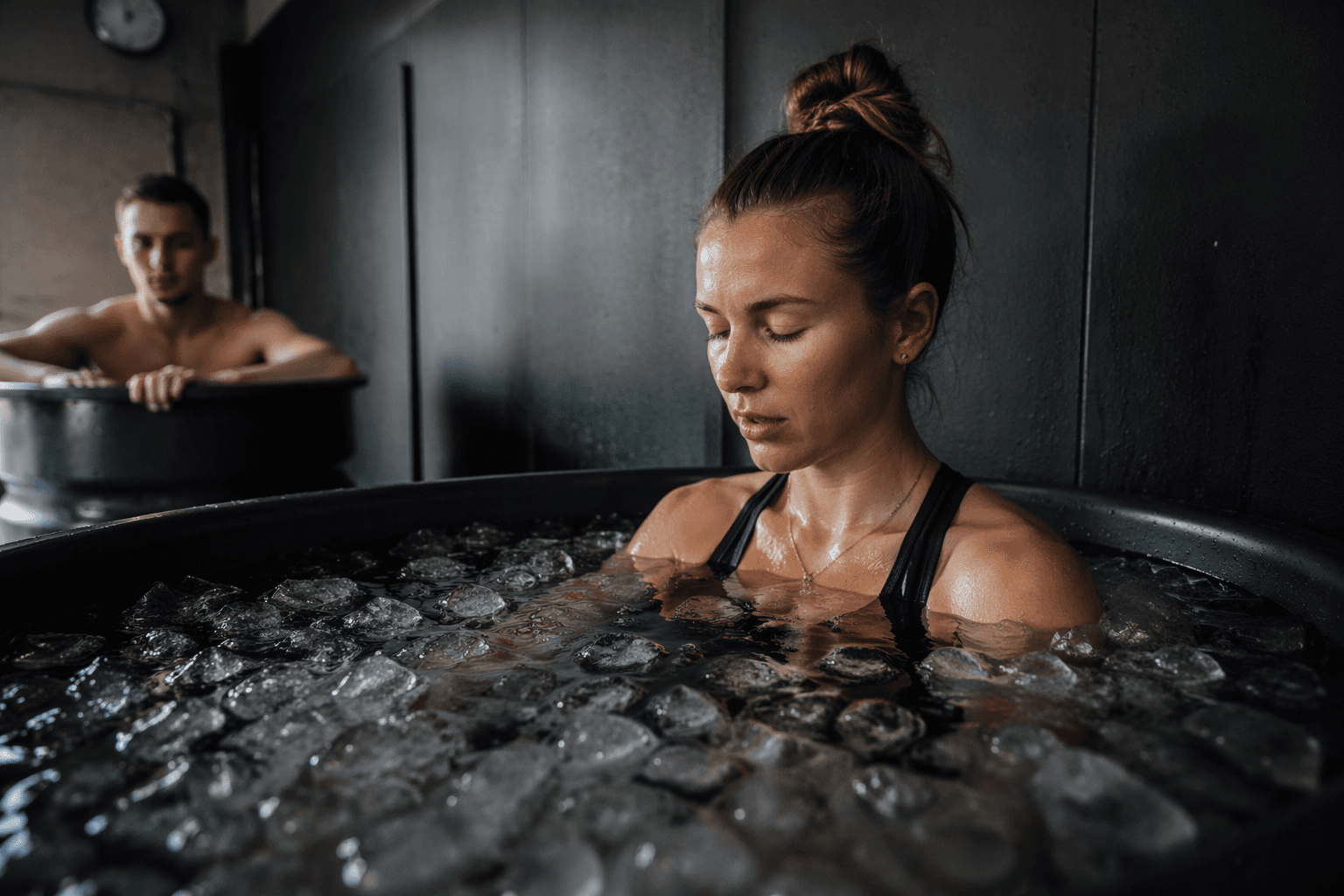
Cold plunges have gone from fringe recovery ritual to a real home-wellness purchase, and that changes the buying game. The first mistake is treating a tub like a lifestyle prop instead of equipment. Once the water hits 50 to 55 degrees, you are dealing with a serious physiological stressor, not a spa accessory, and the tub that looks best online is often the one that becomes annoying to fill, clean, drain, or service.
The smarter approach is anti-marketing: strip away the brand story and look at the things that decide whether you still love the purchase six months later. Cooling performance, sanitation, maintenance burden, noise, and warranty or service reliability matter more than a long spec sheet. So does the install ecosystem around the tub, because pad work, electrical work, and drainage can add a large share of the real project cost before you ever take the first plunge.
Buy for the cooling system, not the brochure
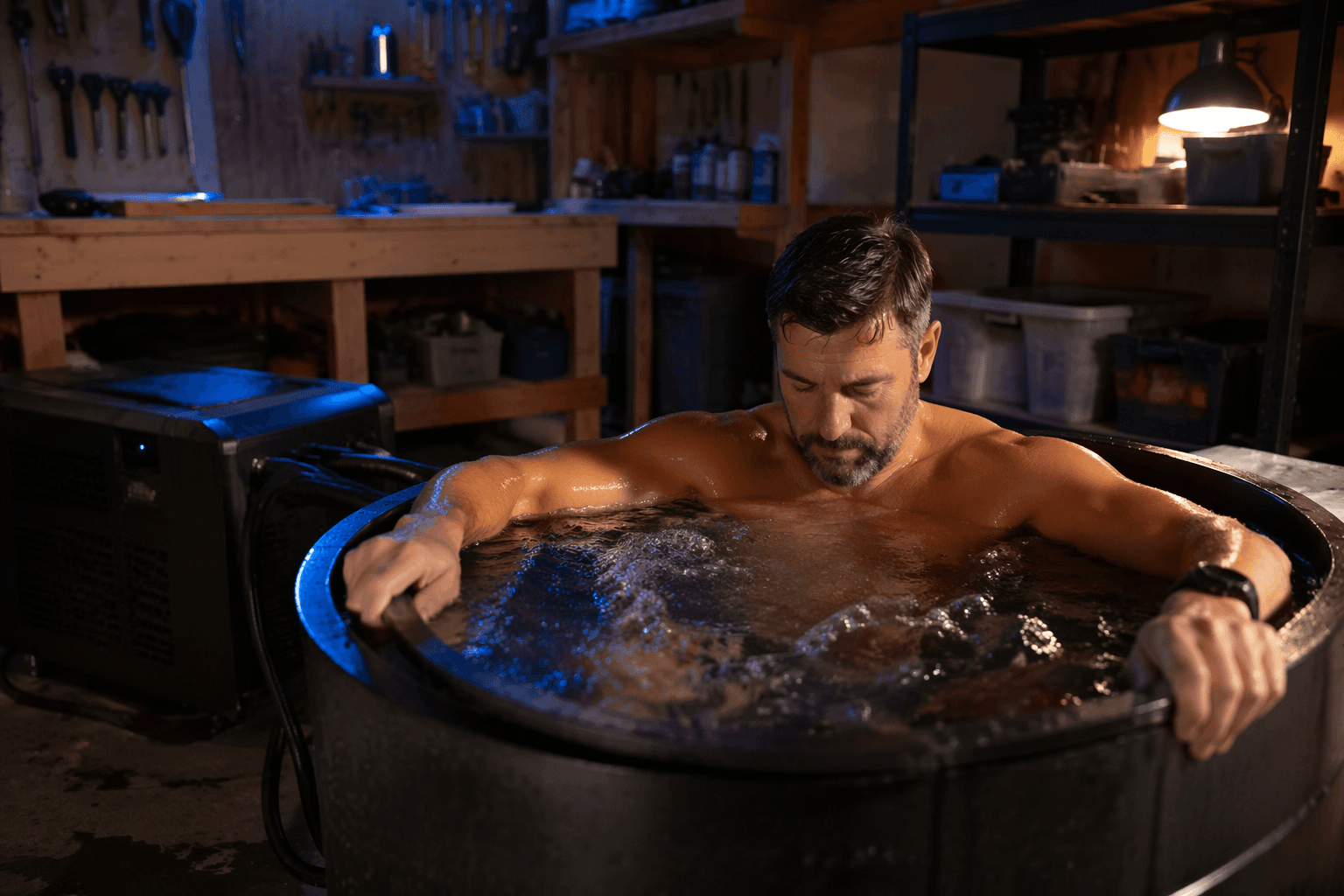
If there is one component to obsess over, it is the cooling system, especially the chiller. SweatDecks is blunt about the practical side of ownership: underpowered units cannot hold target temperatures in hot climates, which is how a “serious recovery tool” turns into a warm-water box you stop using. The tub shell matters, but the ability to actually keep water cold, day after day, is what separates a real setup from a disappointing one.
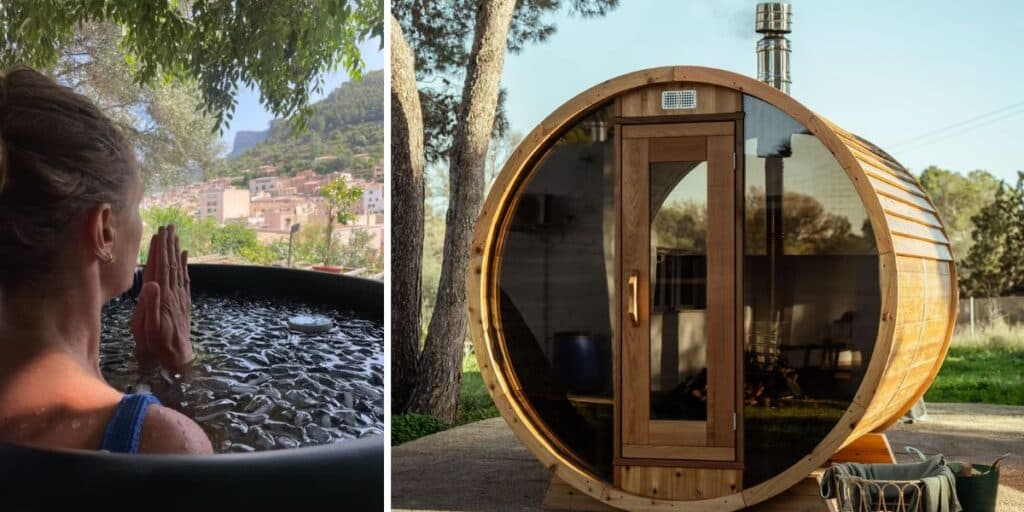
That is why reputation matters more than a polished spec sheet. A commercial-grade stainless-steel system, an insulated acrylic or fiberglass shell, and a stock-tank conversion with a chiller all solve the same problem in different ways, but they do not age the same way. Stainless leans hard toward durability and easier sanitation, insulated shells usually feel more finished for home use, and stock-tank conversions can save money up front while asking more of you in upkeep and fit-and-finish.
The parts buyers underestimate
Most buyers focus on temperature and ignore everything that makes cold plunging part of a routine. Noise is one of those hidden dealbreakers. If the compressor hums loudly enough to rattle a patio or wake the household, it will slowly shave down your willingness to use the tub.
Sanitation is the other trap. A plunge tub is only a good purchase if you can keep the water clean without turning every session into a chore. The same goes for maintenance burden: a setup that is easy to drain, easy to wipe down, and easy to refill gets used; one that feels like a project gets skipped. Warranty and service reliability matter here too, because when a cooling system or pump fails, you want parts, response time, and support that are actually available, not just promised in a glossy listing.
The install is part of the price
The tub is never the whole bill. You need to think about the pad it sits on, the electrical work that powers it, and the drainage plan that gets water out without becoming a backyard mess. That is why buying “the cheapest tub” is one of the most common mistakes in this category, because the visible price can be a small part of the total project cost.
This is where the market’s maturity matters. Grand View Research estimates the global cold plunge tub market at $354.6 million in 2025, with growth projected to $659.9 million by 2033. North America holds the largest share, and the U.S. market alone is projected to reach $199.6 million by 2033. In other words, this is no longer a novelty segment. It is a real ownership decision, and the setup around the tub is now as important as the tub itself.
Safety is not a footnote
The cold shock response is the reason beginners should respect the water from the first second. The American Heart Association says cold-water immersion triggers a sudden increase in breathing, heart rate, and blood pressure, and that a gasp while submerged can lead to drowning within seconds. The British Journal of Sports Medicine also notes that cold-water immersion has exploded in popularity in home-based ice baths, cold showers, open-water swims, and dips, but risk-minimization still matters because the evidence for benefits is mixed and protocol-dependent.
That means the first plunge should be treated like a monitored exposure, not a solo dare. Use a buddy or supervisor at the start, stay away from cold exposure after alcohol, and be especially careful if you have cardiovascular disease, uncontrolled hypertension, pregnancy, Raynaud’s, or medications that affect blood pressure or thermoregulation. The NHS notes that Raynaud’s attacks are commonly triggered by cold or sudden temperature change, and the CDC warns that alcohol use during pregnancy is linked with serious risks, including miscarriage, preterm birth, stillbirth, and sudden infant death syndrome.
What the evidence says about recovery
Cold-water immersion is popular for a reason. Sports-medicine literature says elite athletes use it to minimize fatigue and accelerate short-term recovery, and a systematic review in the British Journal of Sports Medicine found some evidence that it reduces delayed-onset muscle soreness compared with passive recovery. At the same time, more recent reviews still describe the evidence as mixed, which is why protocol matters so much.
That is the buyer’s trap in another form. People see the recovery hype and assume any cold tub will deliver the same result. In practice, the best ownership experience comes from a tub you can actually keep at the right temperature, use consistently, and recover from cleanly, without turning the whole routine into a maintenance job.
Match the tub to the way you actually live
- If you want the most durable, high-traffic setup, commercial-grade stainless steel makes sense because it is built for heavy use and straightforward sanitation.
- If you want a more finished home install, insulated acrylic or fiberglass is the lane to look at, especially when you care about day-to-day convenience and a cleaner backyard footprint.
- If budget is the main constraint, a stock-tank conversion with a chiller can work, but only if you accept more hands-on maintenance and a less polished experience.
- If you live in a hot climate, prioritize chiller capacity above almost everything else, because an underpowered system will not hold the target.
- If you value quiet and low friction, ask hard questions about noise, drain access, service turnaround, and whether the sanitation setup is something you will actually keep up with.
The right choice is not the loudest brand or the longest feature list. It is the tub that fits your space, your climate, and your tolerance for upkeep, while handling the first 30 seconds of cold shock without turning the whole ritual into a headache. If the water stays cold, the drain is easy, and the service line answers when something breaks, the plunge stays worth doing long after the hype fades.
This article was produced by Prism’s automated news system from verified source data, official records, and press releases, then run through automated quality and moderation checks before publishing. The system is built and supervised by the people who set the standards it runs under. Read our full AI policy.
Know something we missed? Have a correction or additional information?
Submit a Tip