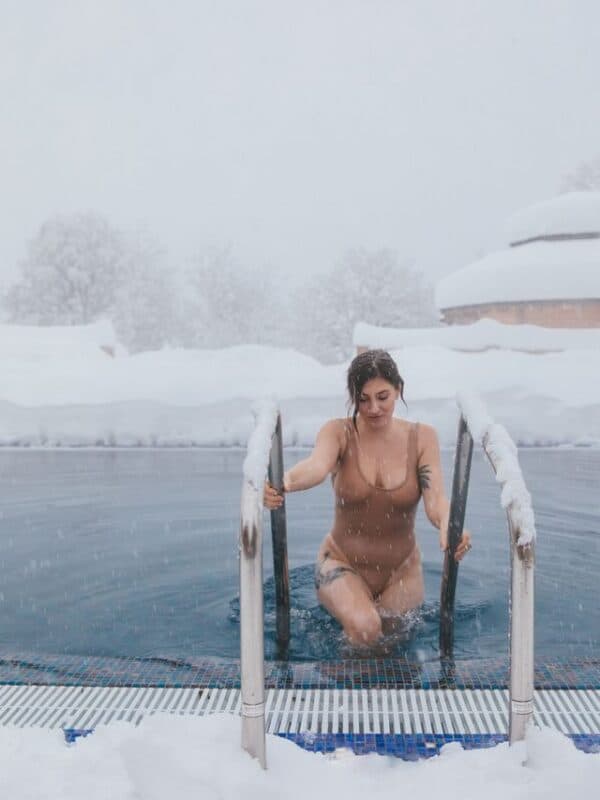
How to Spot a Real Wellness Retreat, Look for Cold Plunges, Testing
Cold plunges are the easy part. The real test is whether a retreat pairs them with screening, coaching, and a recovery plan that outlasts the stay.
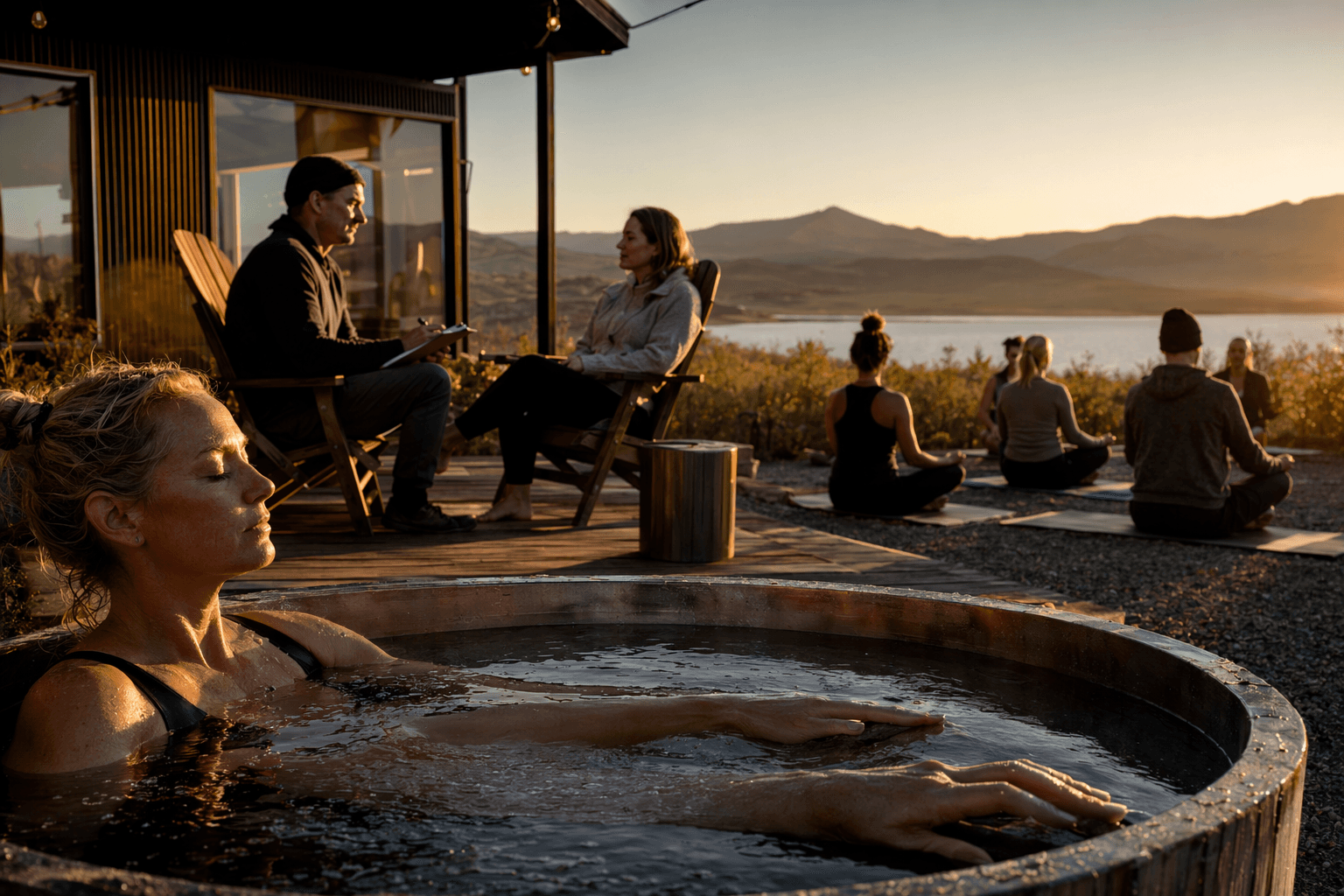
When a cold plunge is the headline, the real story is the system behind it
A cold plunge pool alone does not make a wellness retreat. In a crowded luxury market, the properties worth your money are the ones that turn cold exposure into a structured recovery program, with testing, coaching, and a clear plan for what happens after you leave.
That is the clearest takeaway for ice bath travelers right now. The best retreats are not selling a prettier tub, they are selling a clinical flow: intake on arrival, biometric testing, guided thermal work, and an exit consultation that sends you home with something useful instead of just a glow.
What separates a real retreat from a fancy hotel spa
The first sign is the front end. A serious property starts with a genuine intake process, not a casual check-in, and that process can include bloodwork, hormone panels, and sleep-tracking analysis. The point is not just to collect data for the sake of it, but to shape the stay around recovery, stress, and energy rather than around vibes.
Look closely at how the retreat talks about wellness. If the language is broad and decorative, the cold plunge may be mostly aesthetic. If the amenity list is specific, with diagnostics, movement, rest, and follow-up built into the schedule, the plunge pool is more likely to be part of an actual system.
Cold plunge as part of a thermal circuit, not a standalone stunt
For this crowd, the strongest marker is thermal design. A real wellness retreat tends to offer hydrotherapy, cryotherapy, saunas, steam rooms, cold plunge pools, and salt caves, ideally in spaces that feel purpose-built and staffed by certified therapists. That mix matters because cold water works best when it is part of a broader contrast routine, not a one-off shock.
The same logic explains why private spa suites signal a more serious operation. They suggest the property is thinking about privacy, pacing, and deeper recovery, not just selling hotel convenience with a wellness label attached. In practice, that often means the plunge is paired with rest spaces, treatment rooms, and movement areas instead of being tucked beside a pool deck for photos.
The broader wellness market helps explain why so many resorts are building this way. The Global Wellness Institute says the wellness economy reached $6.8 trillion in 2024 after growing 7.9% from 2023 to 2024, and it says all 11 wellness sectors are now above their 2019 levels. In other words, cold plunge programming is no longer a niche add-on, it is part of a major revenue category.
Testing and follow-through are where the premium starts to make sense
If you want to know whether the stay is actually tailored, look for the exit consultation. A high-quality retreat does not just hand you a towel and a smoothie, it sends you home with a personalized plan based on what it learned during the visit. That is where the best operations separate themselves from aesthetic wellness, because the value lives in the follow-through.
The same standard shows up in top-end branded programs. Four Seasons Hotels and Resorts, for example, has offered wellness journeys and consultations, and at Westlake Village, California, its CURE Medical Sleep Solution uses a professional polysomnography sleep test with accredited health professionals. Sensei Lānai in Hawaii also markets personalized wellness consultations, private treatments, and customized journeys. Those examples show how much the category now leans on assessment, not just atmosphere.
For ice bath regulars, that matters because recovery is easier to trust when the property can connect cold exposure to sleep, movement, and stress management. A plunge pool without context is just a temperature change. A plunge pool inside a tested program becomes part of a recovery architecture.
The science still points toward structure, not spectacle
Cold-water immersion is not just a luxury trend. A 2023 systematic review and meta-analysis in PubMed reviewed 68 studies on cold-water immersion and physical recovery, which shows how deeply the method has been studied as a performance tool. Another PubMed paper notes that combined cold-water immersion and breathwork is gaining popularity worldwide, which helps explain why retreat menus increasingly combine plunges with breathing sessions and mindfulness.
Thermal contrast has its own support as well. A 2023 PMC study found changes in brain activity and mood after alternating sauna, cold water, and rest, and another PMC paper explains that sudden cold exposure activates the sympathetic nervous system and constricts cutaneous blood vessels. That is exactly why the best retreat design does not stop at the plunge pool, it manages the whole hot-cold-rest sequence.
Safety and sanitation are part of the product
A serious retreat treats cold immersion as a supervised practice, not a dare. The CDC says cold water immersion can cause immersion hypothermia and notes that it can develop more quickly than standard hypothermia, while hypothermia can occur in water below 70°F. The NHS says hypothermia is a dangerous drop in body temperature below 35°C.
That is why sanitation, screening, and supervision matter so much. A beautiful tub is not enough if there is no clear staff oversight, no hygiene protocol, and no way to flag who should avoid the plunge or modify the session. For an ice bath traveler, the real question is whether the operation has the discipline to match the marketing.
How retreats compare with studios and home setups
If you are comparing a retreat-style plunge experience with a dedicated studio or a home setup, the differences usually show up in coaching, sanitation, atmosphere, and price structure.
- Retreats usually offer the most complete experience. You are paying for lodging, staff, diagnostics, thermal variety, and a curated atmosphere, so the price is highest, but the value can be strong when the whole stay is designed around recovery.
- Dedicated studios tend to sit in the middle. They often provide better coaching and tighter sanitation than a casual gym or shared spa, but they usually lack the full travel package, the sleep work, and the food programming that make a retreat feel comprehensive.
- Home setups are the most controllable over time. They can be the cheapest path after the initial purchase, but they rarely match the supervision, thermal variety, or social environment of a retreat, and sanitation is entirely on the owner.
That is where the premium question gets sharper. If a retreat gives you a medically informed intake, a structured plunge, a thermal circuit, and a clear exit plan, the higher cost is buying recovery architecture. If it only gives you a nicer backdrop for the same cold water, the markup is mostly aesthetics.
Why the best retreats feel different
The strongest wellness properties now combine cold exposure with movement, nutrition, and recovery in one organized stay. Yoga, Pilates, body composition assessments, guided outdoor activity, farm-to-table menus, cooking classes, and functional beverages all point in the same direction: the retreat is trying to shape behavior, not just provide relaxation.
That is the practical lens for ice bath readers. A real retreat earns trust when the plunge is one piece of a carefully built system, backed by screening, staff, and safety protocols. If the cold water is doing all the talking, you are probably paying for the decor, not the recovery.
This article was produced by Prism’s automated news system from verified source data, official records, and press releases, then run through automated quality and moderation checks before publishing. The system is built and supervised by the people who set the standards it runs under. Read our full AI policy.
Did this article answer your question?