Huberman contrasts sauna and cold plunge benefits, calls cold therapy challenging
Huberman makes cold therapy sound potent, but the real question is whether the payoff survives the hassle. The evidence says it can, just not for every goal or every body.
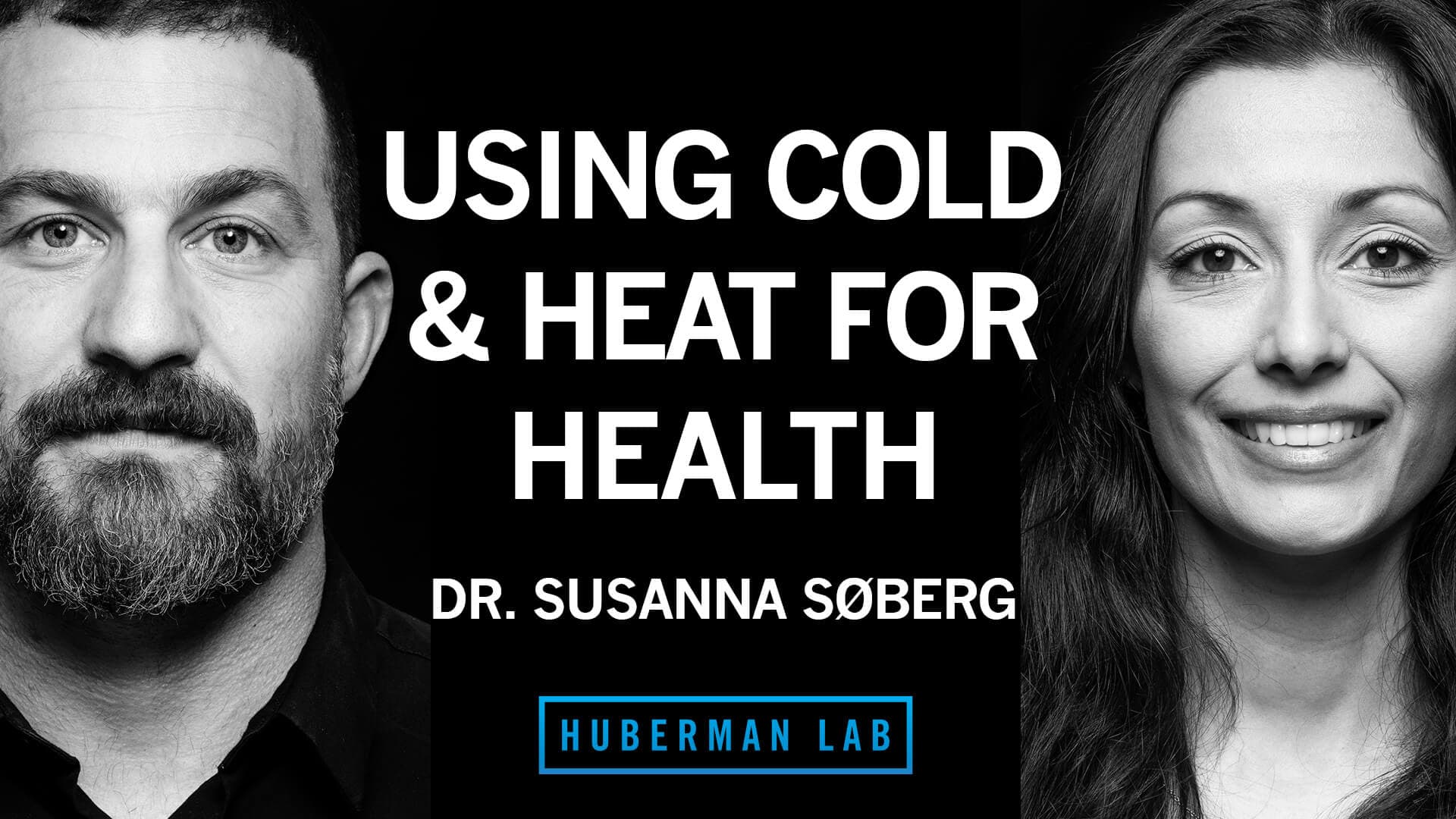
**Huberman’s cold-plunge pitch works because it is not soft.** He frames deliberate cold exposure as a tool that can improve attention, mood, cognitive focus, metabolism, and inflammation, then pairs that with a tougher message: the protocol is effective, but it is challenging to live with. That tension is the whole story for ice-bath people, because the appeal is never just the shock itself. It is whether you are chasing a real adaptation, or just buying into a ritual that feels hardcore.
What the protocol is trying to optimize
The strongest version of Huberman’s cold-work idea is not “feel cold, feel elite.” It is a stress-dose model: brief, controlled cold exposure to nudge the body toward better alertness, a more robust stress response, and some degree of cold adaptation. In public Huberman Lab summaries, the sessions are usually short, often 30 seconds to 2 minutes, in water around 37°F to 55°F, with a target of about 11 total minutes per week spread across multiple bouts. That makes the protocol less like a single heroic plunge and more like repeated exposure with a purpose.
The upside is that this setup is meant to be manageable enough to repeat while still being uncomfortable enough to count. Huberman also discusses recovery, mindset, movement, time of day, and optimal temperature, which tells you the protocol is built around control, not bravado. In other words, the aim is to stress the body just enough to trigger an adaptation without turning every session into a survival event.
Why the sauna comparison matters
The sauna side is where the contrast gets interesting. Huberman Lab’s Essentials episode on deliberate heat exposure says heat can improve physical and mental health through specific mechanisms, and it lays out protocols with temperature ranges, frequency, timing, duration, and sauna alternatives. That matters because heat exposure is easier to scale and often easier to tolerate than cold immersion, especially for people who want a recovery habit they can actually repeat week after week.
That is the practical split: saunas can be a lower-friction way to get a strong heat stimulus, while cold plunges ask more of you immediately. Heat tends to be the easier sell for compliance. Cold is the tougher sell, because the entry barrier is high from second one, and the body knows it.
Where the evidence is strongest, and where it gets slippery
The research is helpful, but it does not hand cold plunging a universal trophy. A 2024 systematic review in Sports Medicine found that cold-water immersion can aid recovery, but the outcome depends on context and protocol. A 2025 review in Life says the evidence is stronger for short-term reductions in muscle soreness and improved perceptual recovery than for broad performance gains. That is the key distinction a lot of marketers blur: feeling better after a hard workout is not the same thing as becoming measurably better in every athletic dimension.
There is also an ongoing debate about whether cold-water immersion can blunt some long-term exercise adaptations, especially when used too aggressively or too close to training. A recent PubMed-reviewed summary says optimal protocols remain unclear and exercise-specific guidance is still limited. So if you are looking for a neat, universal prescription, the science still does not give you one.
What cold exposure may actually do for the body
The cold-adaptation story is more interesting than the recovery story, and it is one reason Huberman’s work caught fire. Cold exposure research linked to Huberman and Susanna Søberg helped popularize the idea that roughly 11 minutes a week may be enough to influence brown fat and cold adaptation. That idea is not pure internet folklore. A 2021 Cell Reports Medicine study found that young, healthy winter-swimming men showed greater cold-induced thermogenesis and lower thermal comfort-state body temperature than controls, which suggests repeated exposure can shift how the body handles cold.
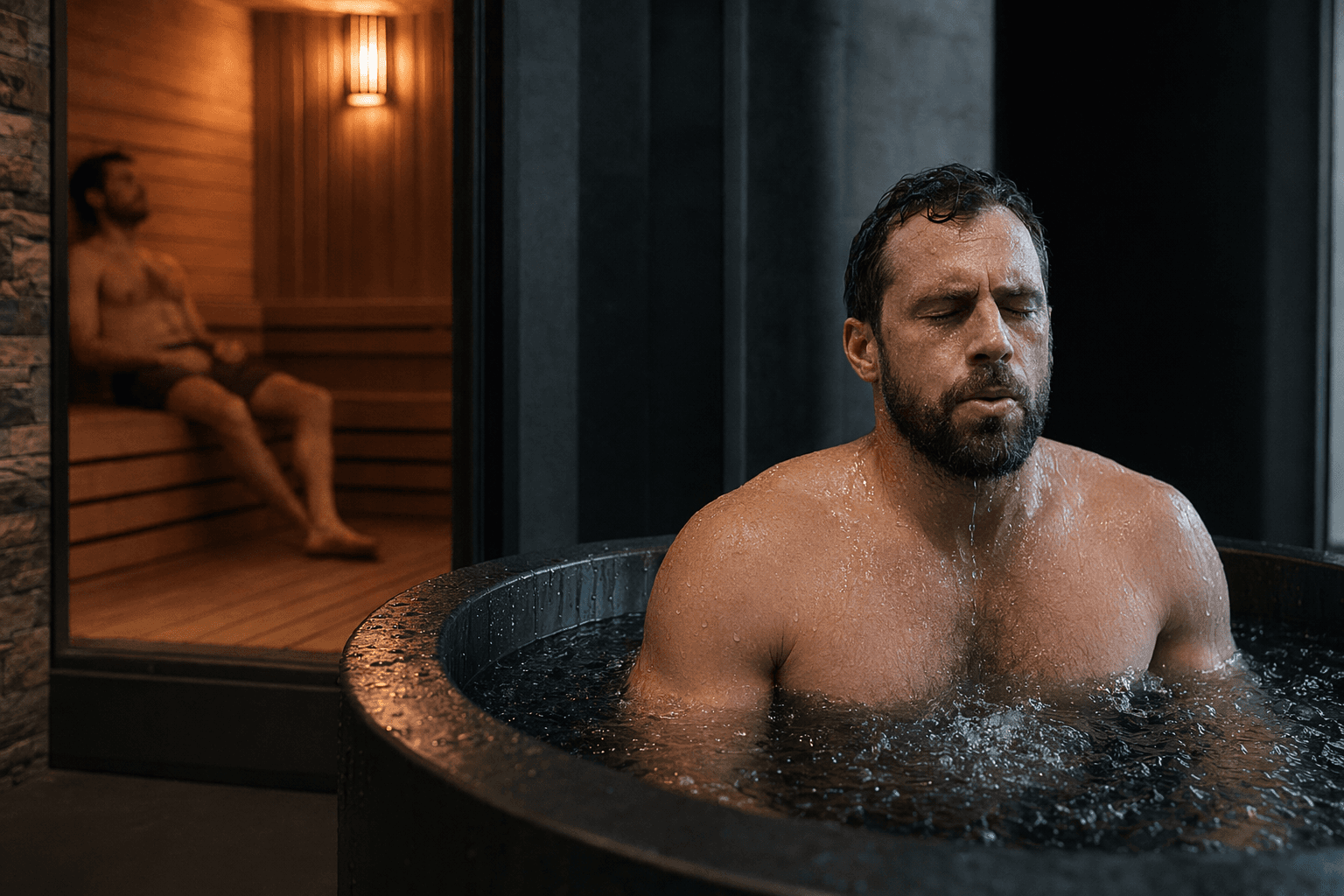
Brown adipose tissue is part of the appeal here too. Studies on brown fat activation show that cold can rapidly stimulate human brown fat and increase heat production. That is the metabolic promise behind the hype: not just surviving the plunge, but gradually making the body better at producing heat and tolerating cold stress. It is a plausible target, and it is one of the few reasons the ritual goes beyond pure toughness theater.
The part people underestimate: the stress response
Cold immersion is not just a mood hack. The initial shock can trigger hyperventilation, and that matters because the body’s first response is not always calm, controlled breathing. A 2024 systematic review on habituation of the cold shock response found that repeated cold-water immersion can reduce that shock response, including hyperventilation and the drowning risk that comes with panicked breathing. That is a real reason experienced plungers repeat the practice methodically instead of treating each session like a dare.
Huberman’s own safety note is blunt for a reason: never get into dangerous water and never do deliberate hyperventilation before or during water immersion. That is not a side note. It is the line between a controlled stressor and a genuinely dangerous situation. The protocol only looks civilized when the environment is safe and the breathing stays under control.
Who actually benefits enough to make this worth it
The people who get the best return from a cold protocol are the ones who want a specific adaptation and can tolerate the compliance burden. If you care about short-term soreness relief after hard training, or you like the alertness and mood bump that comes from a brief, sharp stressor, the routine can earn its place. If you are chasing cold tolerance, brown-fat adaptation, or a more resilient response to discomfort, repeated sessions make more sense than random, occasional hero plunges.
The people who struggle are usually the ones who want every claimed benefit at once. Cold plunge marketing loves to bundle recovery, metabolism, mental resilience, and focus into one icy package, but the evidence is narrower than the pitch. Once you strip away the hype, the protocol is best viewed as a targeted tool with real upside, not a universal wellness upgrade.
The simplest way to think about it
If you want a low-drama recovery habit, the evidence tilts toward shorter, consistent cold exposure, kept within safe water, safe breathing, and a sensible dose. If you want a harder protocol with bigger compliance demands, Huberman’s approach makes sense as a structured stress tool, especially if you are trying to build cold tolerance and you can actually stick with it. Sauna remains the easier habit to sustain, and for many people that alone makes it the more practical lever.
Cold therapy is not fake, but it is not free either. The body adapts to stress only when the stress is repeatable, controlled, and safe enough to revisit tomorrow.
This article was produced by Prism’s automated news system from verified source data, official records, and press releases, then run through automated quality and moderation checks before publishing. The system is built and supervised by the people who set the standards it runs under. Read our full AI policy.
Did this article answer your question?