Doctors Warn Cold Plunges May Trigger Arrhythmias and Cardiac Risks
Cold plunges are not just a niche heart-issue concern. The bigger risks cluster around known cardiac disease, sudden exposure, and breathless, solo plunges.
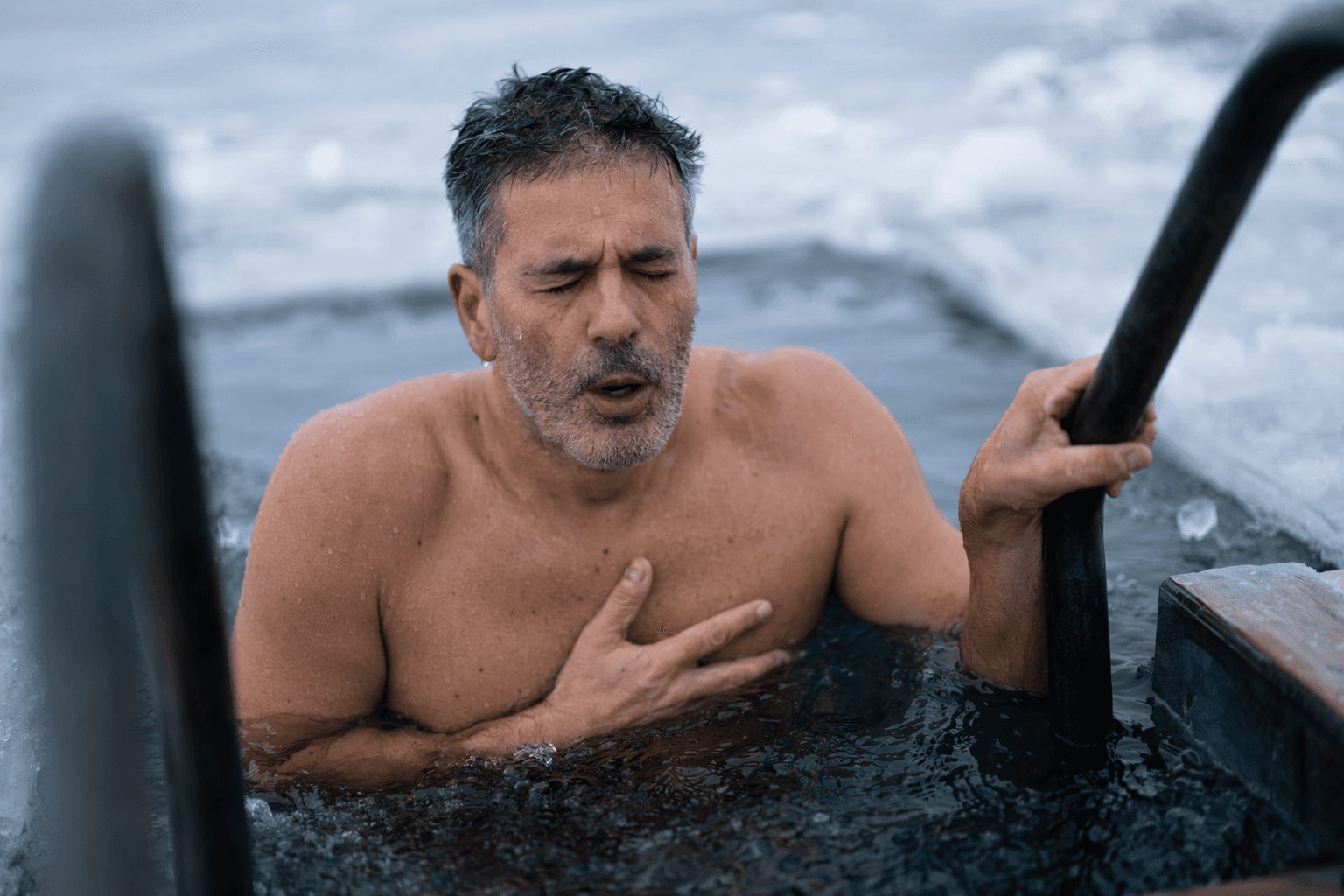
Why this warning is hitting a wider audience
Cold plunging has become a mainstream recovery habit, but the caution from doctors is not aimed only at people with diagnosed heart disease. Rafael Lugo, MD, and Dr. Terry Simpson are among the clinicians flagging arrhythmia risk, and the concern is simple: cold water is a real cardiovascular stress test, not just a mood reset.
That matters because the audience has changed. Cold plunging is now a booming consumer category, pushed by wellness coverage and social media, which means the safety question reaches far beyond elite athletes and chronic-heart patients. The sharp question is not whether cold exposure feels intense, but whether that intensity can tip a vulnerable heart into trouble.
What cold water does in the first seconds
The body’s response to immersion is fast and unfriendly. The American Heart Association says water pulls heat from the body about 25 times faster than air, which is why hypothermia becomes a faster threat in a tub or lake than it does in cold weather alone. It also warns that cold exposure can constrict blood vessels and raise blood pressure, which can increase the risk of heart attack, stroke, or cardiac arrest in people with cardiovascular disease.
That’s the part a lot of recovery content skims over. A plunge can feel controlled from the outside, but inside it is a full-on sympathetic nervous system jolt, with the heart and blood vessels reacting before the ego has time to talk itself through it. For someone with a clean bill of health, that may be manageable. For someone with arrhythmias, heart disease, or high blood pressure, it is a very different bet.
The arrhythmia question: niche problem or broad red flag?
Arrhythmia warnings are not only for a tiny subset of users, but the risk is not equal across everyone either. Major health sources specifically caution that people with arrhythmias, heart disease, high blood pressure, or other medical issues may be at higher risk from cold plunges. That is the clearest line in the sand: if your cardiovascular system is already compromised, the plunge is not just uncomfortable, it may be medically relevant.
At the same time, the evidence gap is real. Some research groups and media reports have suggested cold plunging may lower heart rate, blood pressure, cortisol, and improve mood after immersion, including a small University of Oregon study. But those promising signals are not the same as hard proof that cold plunging is broadly safe, especially for people whose hearts already misfire under stress.
What the cold-shock response changes
The most important physiology is the cold-shock response. A 2024 systematic review found that cold-water immersion can trigger hyperventilation, increase cardiac arrhythmias, and raise drowning risk. It also noted that repeated exposure can habituate the response, meaning the body may react less dramatically over time.
That habituation point is important, but it can also be misunderstood. It does not mean the first plunge is harmless if you are tough enough, and it does not mean every regular plunger is immune to risk. It means your body may adapt after repeated exposures, while the early sessions, especially the first few, are where the shock is sharpest.
A 1981 case report in the Journal of Forensic Sciences linked sudden death in cold water with ventricular fibrillation, which is the kind of historical precedent that keeps this debate alive. Even if that case is not a modern probability estimate, it is a reminder that cold water can be a trigger, not just a backdrop.
Who should treat plunges as high risk
If you already live with arrhythmias, coronary disease, heart failure, hypertension, or any other cardiovascular issue, this is not the place to improvise. Doctors including Rafael Lugo, MD, and Dr. Terry Simpson are cautious for exactly that reason: cold exposure can force the heart and vessels into a stress response that fragile systems may not handle well. In that group, a plunge is not a wellness accessory. It is a medical variable.
There is also a second group that should slow down: people who have never done a plunge before and assume the body will “figure it out.” First-time plunges are risky because the cold-shock response is strongest before you adapt. Extreme cold only compounds that, and the colder the water, the less margin you have if your breathing turns ragged or your heart starts racing.
The habits that most plausibly raise danger
A few popular habits stand out because they stack the deck against you:
- First-time plunges, because the body has not habituated to the cold-shock response yet.
- Extreme cold, because the stress load climbs as water temperature drops.
- Going alone, because the 2024 review specifically ties the response to drowning risk, and a solo plunge leaves you with no backup if you get dizzy, panicky, or lose control.
- Breath-holding, because the cold-shock response tends to push you toward hyperventilation, and breath-control games can turn a bad moment into a worse one.
That last point is especially relevant in this scene, where people sometimes treat breath work like a hack. The issue is not that breathing techniques are useless. The issue is that breath-holding in cold water can clash with the body’s reflexive urge to gasp and overbreathe, which is exactly when panic and poor decisions show up.
Why sauna research keeps coming up in the comparison
The cold plunge debate gets sharper when you compare it with sauna data. A 2015 study in people with chronic heart failure and coronary artery disease found that sauna and moderately cold-water immersion did not provoke excessive adrenergic activity or complex arrhythmias. That is reassuring, but it is also narrow: it covered a specific patient group and moderately cold immersion, not every icy tank on the market.
A later review, published in 2018, concluded that sauna bathing has more evidence supporting cardiovascular benefits than ice-bath plunging does. That is the real asymmetry in the literature. Sauna has a deeper bench of data. Cold plunging still has a thinner case, with some positive signals on mood and recovery but a much shakier foundation when the question is heart safety.
The practical read for everyday plungers
The best way to think about a cold plunge is as a controlled stressor, not a harmless ritual. For healthy, experienced users, the risk may be lower, especially with gradual exposure and sane temperatures, but the body still responds hard at the start. For people with cardiovascular disease, arrhythmias, or high blood pressure, the warning is much less theoretical.
That is why the current debate is bigger than a niche heart-issue footnote. Cold plunging has gone mainstream, but the body has not changed with the trend. The smart read is to respect the first gasp, respect the blood-pressure surge, and respect the fact that cold water can turn a recovery habit into a cardiac stress test faster than most plungers expect.
This article was produced by Prism’s automated news system from verified source data, official records, and press releases, then run through automated quality and moderation checks before publishing. The system is built and supervised by the people who set the standards it runs under. Read our full AI policy.
Did this article answer your question?