Ice Bath Fad Draws Skepticism as Science Remains Mixed
Carnivore Aurelius says grandparents survived wars and depression without ice baths, but the ritual keeps spreading. The science is still split while users chase recovery, mood and discipline.
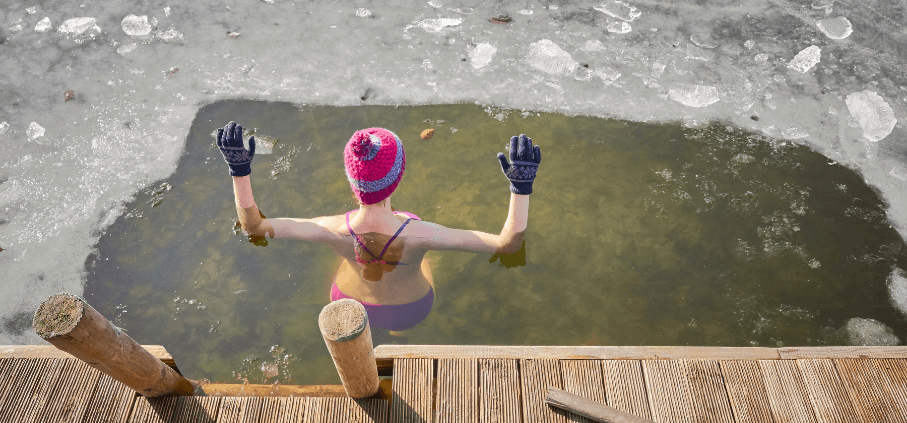
Carnivore Aurelius has become the latest skeptic to take a swing at the cold-plunge craze, arguing that modern biohacks like ice baths are unnecessary when earlier generations got through wars, depression and hard labor without a chest freezer full of ice. The post landed squarely in wellness debate, drawing the kind of engagement that follows any attack on a ritual people now treat as part recovery tool, part discipline test and part identity signal.
That split is exactly why cold plunges refuse to go away. Cold-water immersion, which includes home ice baths, cold showers, open-water swims and cold dips, has exploded in many countries and is now marketed as a mental and physical health practice. A 2024 systematic review found it had gained considerable popularity among the general public as a health and wellbeing intervention. In other words, the ritual is no longer a fringe stunt. It is a mainstream habit, with devotees treating the shock of cold water as a structured substitute for time they are not spending outdoors.
The science, however, has not caught up with the enthusiasm. A British Journal of Sports Medicine review in 2010 said the scientific rationale for cold-water immersion was not clear and that there were no clear guidelines for use. A later British Journal of Sports Medicine review called cold water immersion a "hot topic" and described an explosion in use in many countries, but it also made plain that many people are still jumping in for anecdotally claimed benefits rather than settled evidence.
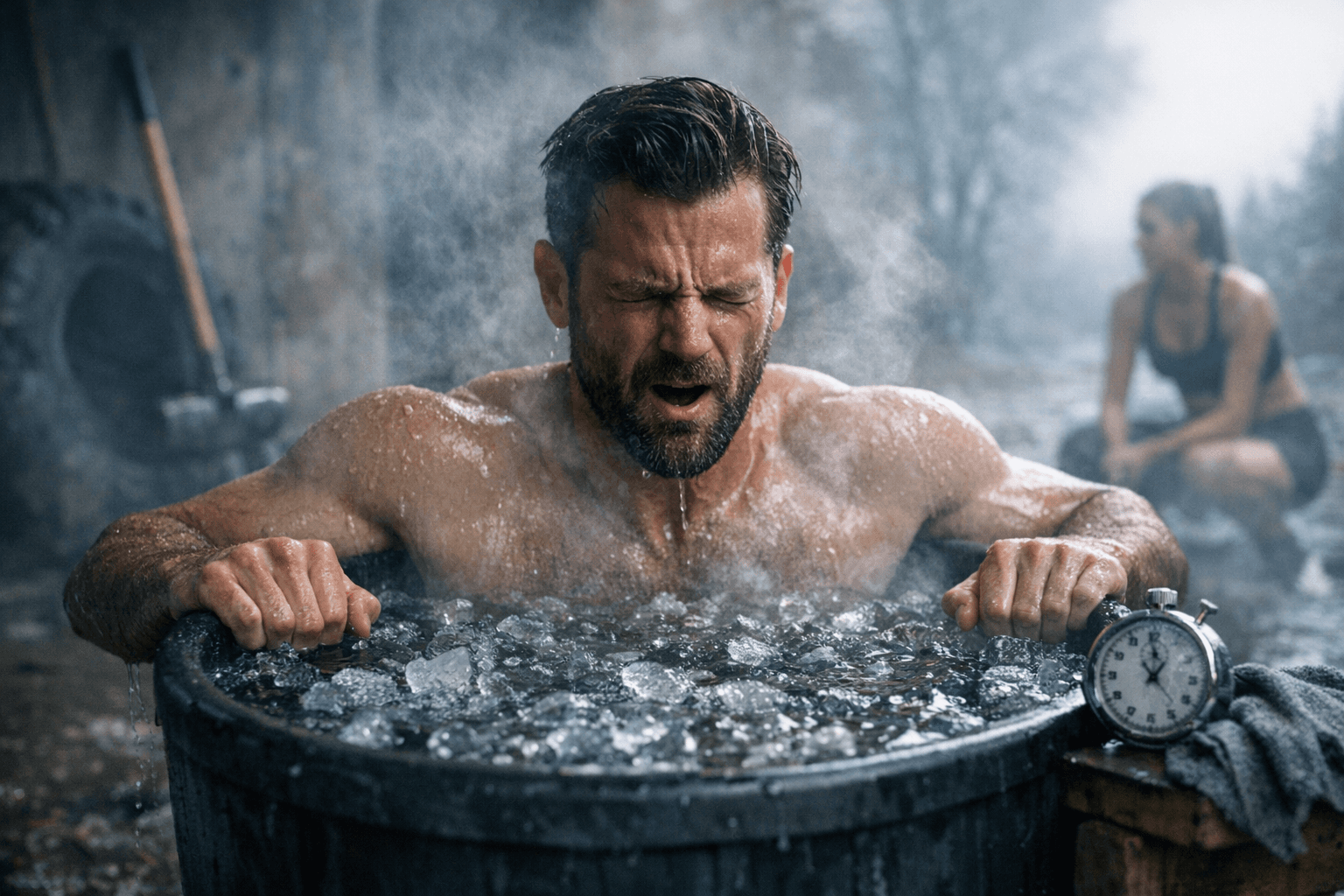
That uncertainty does not mean the practice is empty. Some studies suggest cold exposure may reduce pain perception and improve feelings of well-being, and users often report mood effects after a plunge. But a 2024 review also said the evidence base remains insufficient for firm conclusions about many of the health claims attached to the practice. For now, the strongest case for the plunge may be the one Aurelius is trying to puncture: not that it is magic, but that it offers a repeatable ritual in a culture hungry for control.
The history is longer than the current hype. A review on cryotherapy says humans have used cold temperatures for centuries for therapeutic, health and sporting recovery purposes, and cold therapies have deep roots in hydrotherapy traditions such as Sebastian Kneipp’s "Kneipp Cure," which emphasized cold baths, showers and wraps. That older lineage is part of the appeal now. Cold plunges may be sold as cutting-edge wellness, but they also carry the smell of an old habit dressed in modern branding.
This article was produced by Prism’s automated news system from verified source data, official records, and press releases, then run through automated quality and moderation checks before publishing. The system is built and supervised by the people who set the standards it runs under. Read our full AI policy.
Did this article answer your question?