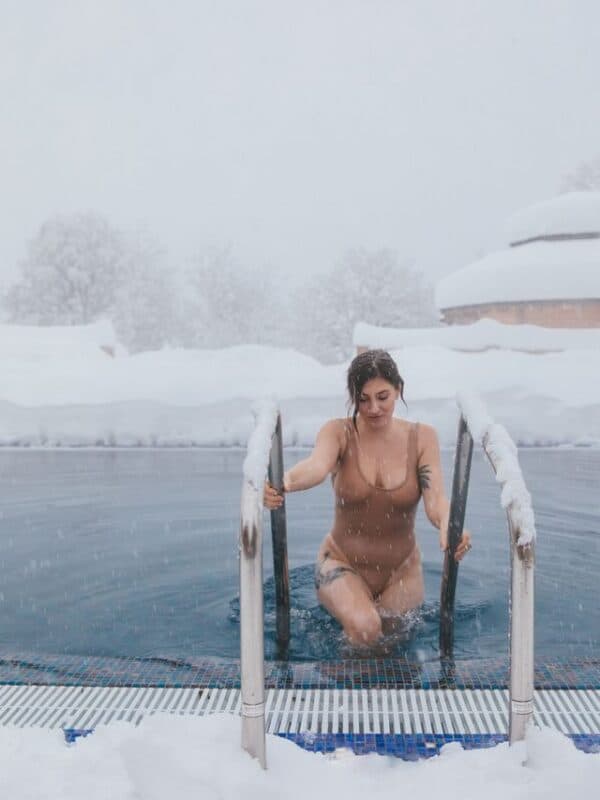
Ice Bath Recovery Times: A Beginner to Advanced Guide for Athletes
Jump performance dropped 7% without ice baths but only 1.3% with them; here's the exact time and temperature map to get those results.
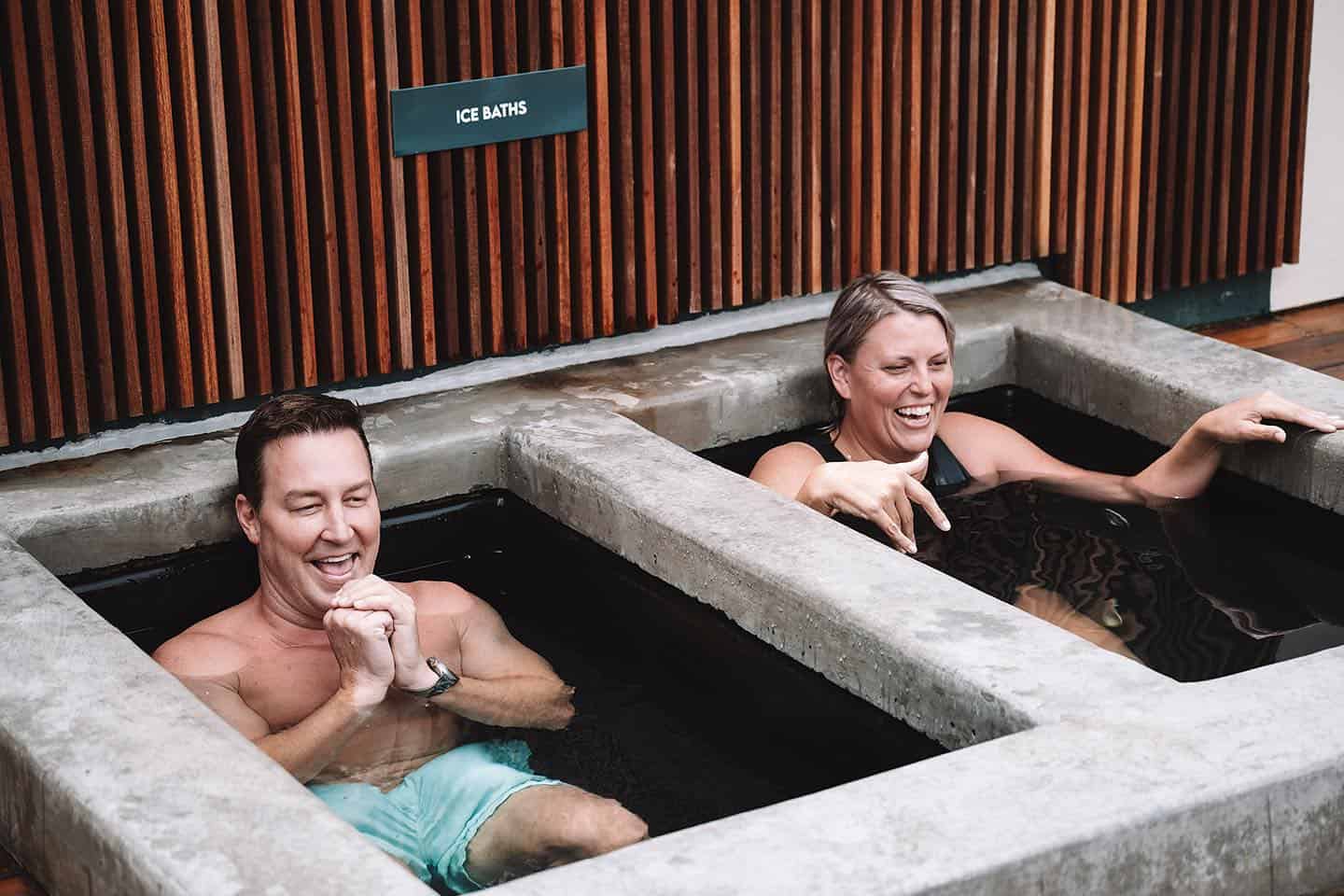
The difference between effective cold immersion and just suffering through cold water is a question of two numbers: temperature and time. Get both wrong, and you're either not triggering a real recovery response or pushing into territory where the risks outweigh the rewards. Get them right, and the data is striking: in one trial, runners who sat in cold water after high-intensity efforts had significantly better recovery at the 24-hour mark compared to those who rested passively. Over three weeks, the ice bath group's jump performance declined by only 1.3%, while the group that skipped the plunge lost 7% of their explosive power. That gap is why plunge tubs have migrated from elite training facilities into garage setups and cold immersion studios nationwide.
But that result doesn't come from just showing up and sitting in cold water. Timing, temperature, and progression are everything.
Starting Point: The Beginner Protocol (1–3 Minutes at 50–59°F)
If you haven't done regular cold immersion before, the single most important thing to understand is that acclimation is a process, not a toughness test. Beginners should target 1 to 3 minutes at a water temperature between 50°F and 59°F (10–15°C). This range is cold enough to trigger the physiological response you're after, with cold causing vasoconstriction and subsequent vasodilation after you leave the bath, while giving your nervous system time to adapt without being overwhelmed.
The cold shock response increases breathing and heart rate, and this reflex is most intense for first-timers. Starting at the warmer end of the range (closer to 59°F) and nudging downward over several weeks is the smarter path to consistent progress. A thermometer is non-negotiable at this stage; guessing your tub temperature introduces too much variability to make meaningful gains.
Intermediate Immersion: 3–6 Minutes at 40–50°F
Once 3 minutes at 59°F feels manageable, it's time to lower the temperature and extend the session. Intermediate practitioners work in the 40–50°F range (roughly 4–10°C), staying in for 3 to 6 minutes. This is where most regular cold plungers spend the bulk of their training, and for good reason: it's the range where recovery benefits are most reliably activated without requiring the kind of supervision that extreme cold demands.
The sweet spot for most consistent practitioners sits between 46.4°F and 59°F (8–15°C), cold enough to stimulate muscle recovery and reduce inflammation without being too extreme. Below that threshold, numbness and the risk of hypothermia rise meaningfully, particularly when sessions run long. Moving from beginner to intermediate should happen incrementally, dropping a degree or two per week rather than jumping straight to the coldest setting.
The Advanced Protocol: Up to 10 Minutes
Experienced athletes sometimes extend sessions to the 10-minute mark, but this level carries a firm qualifier: supervision and an established recovery plan are required. Elite practitioners using protocols in this range typically do so within structured programs built around competition and training cycles, not improvised cold exposure.
A weekly total of around 11 minutes of cold exposure, spread across two to four sessions, is a strong target for maximizing recovery without introducing risks like numbness or skin irritation. That distribution pattern, shorter and more frequent rather than one long dip, matches the applied-sports consensus that consistent, moderate cold exposure outperforms occasional extreme immersion.
The Strength Training Trade-Off
This is the piece most people miss, and getting it wrong can quietly undercut months of gym work. Repeated immediate post-strength ice baths blunt strength and hypertrophy adaptations. Cold immersion right after resistance training suppresses the inflammatory signaling that drives muscle growth, which means the same mechanism that accelerates recovery from a long run can work directly against you after a heavy squat session.
The practical fix: delay cold immersion by 4 to 6 hours after resistance training when muscle gains are the primary objective. If you're in an endurance or cardio block, post-workout cold immersion works in your favor. If you're deep in a strength cycle, save the plunge for later in the day or a separate recovery session entirely.
Getting In Right: Breathwork, Thermometers, and Acclimation
Controlled breathing before and during immersion is one of the most underrated tools for managing the first 60 seconds of a plunge. Deliberate, slow exhales as you enter the water help regulate the involuntary gasp reflex and bring heart rate down faster. Pairing breathwork with a gradual entry, feet first, then legs, then torso, rather than a full plunge, reduces the severity of the shock response and builds tolerance more efficiently over time.
The thermometer remains your most important tool beyond the tub itself. Temperature varies significantly based on ice volume, water volume, and ambient temperature. The difference between 50°F and 40°F is not trivial in terms of physiological effect, and without a reliable read you're making informed guesses rather than informed decisions.
Safety: When to Stop, When to Skip
Cold immersion has a firm set of non-negotiables. Never submerge your head in an unmonitored open-water or tub situation. Always have a warm, dry area ready for re-warming before you get in, not after you get out shivering and scrambling for a towel. People with cardiovascular conditions face heightened risk of arrhythmias or blood pressure changes and should consult a physician before starting any cold immersion practice.
Stop immediately if you experience chest pain, severe shortness of breath, or disorientation. These are not signs of breakthrough tolerance; they are warning signals that the body's response has exceeded safe limits. Extended or overly cold immersions can cause numbness or hypothermia, especially below 50°F (10°C), and numbness in the extremities is a reliable cue to exit and re-warm before the session is complete.
For Studio Settings
The tiered framework above translates directly into class structure and member onboarding for studio operators. Beginners at 1–3 minutes and 50–59°F; intermediates at 3–6 minutes and 40–50°F; advanced sessions up to 10 minutes under supervision: these three bands give instructors a ready-made progression script and help new members understand where they're starting and where they're headed. Visible thermometers, posted session guidelines, and a designated re-warming area are not just safety infrastructure; they're the structural features that convert a first-time visitor into someone who comes back with a plan.
Cold immersion at this level of specificity is no longer niche. With research tightening around protocols that demonstrably work, the practitioners getting the best results are treating their tubs like training tools: precise temperatures, tracked session lengths, and a progression built around the rest of what their training week demands.
This article was produced by Prism’s automated news system from verified source data, official records, and press releases, then run through automated quality and moderation checks before publishing. The system is built and supervised by the people who set the standards it runs under. Read our full AI policy.
Did this article answer your question?